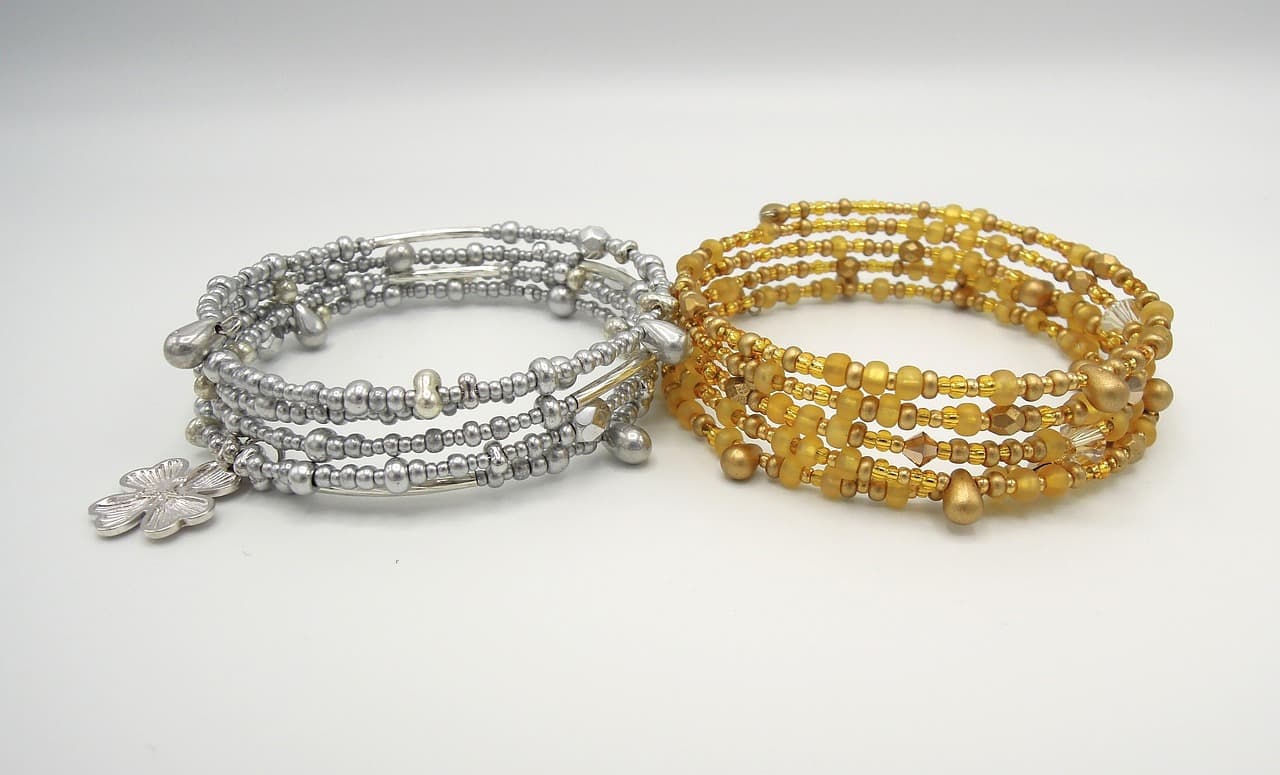
Heritage Positioning: The Indian Advantage
No market offers a stronger heritage foundation for jewellery marketing than India. The country's gemstone-cutting traditions, centred in Jaipur, are among the world's most respected. Its royal courts commissioned jewellery of extraordinary sophistication. Its bridal traditions make jewellery a near-universal luxury purchase in a way no other market matches.
A brand that positions itself within this heritage — that documents its stones' provenance, credits its artisans, and connects its design language to Indian craft — gains an advantage that is difficult for a foreign entrant to match and impossible to fabricate. Heritage positioning is not about looking old; it is about grounding the brand in a living craft tradition that carries genuine weight.
The brands that execute this well treat heritage as a present-tense asset. They commission contemporary work from traditional workshops. They name their craftspeople. They tell stories that connect a four-hundred-year-old technique to a piece a young consumer might buy today. Heritage, in their hands, is not nostalgia but momentum.
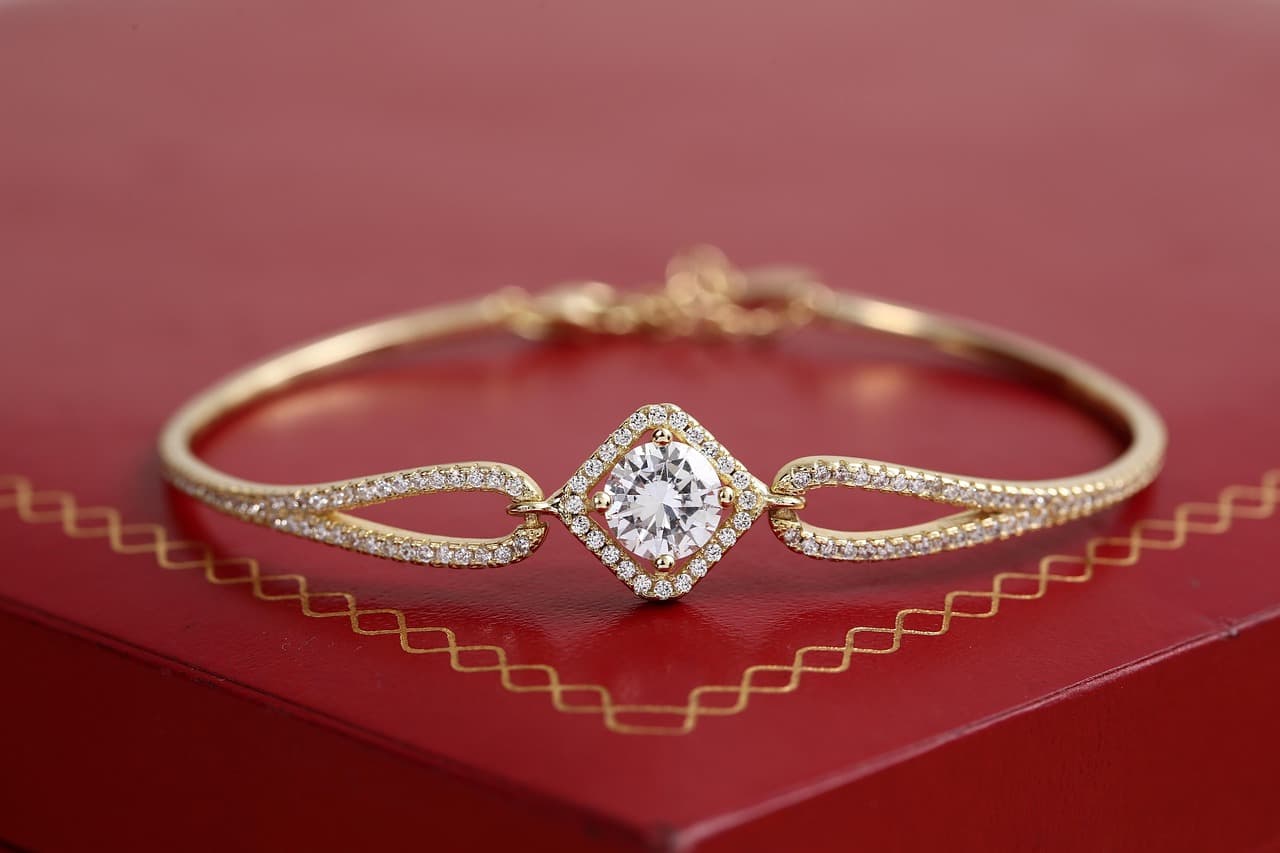
The Editorial Context: Why It Matters
Jewellery is fundamentally a subject of culture, not merely of commerce. A gemstone has geology, history and craft. A design has lineage and meaning. An acquisition has emotion and ritual. These are the dimensions that advertising cannot convey but editorial can — and they are the dimensions on which high-end purchasing decisions actually turn.
An editorial publication that treats jewellery as culture provides brands with a context they cannot manufacture themselves. It places the brand's work alongside discussion of craft, provenance and design heritage, in an environment the reader approaches with openness rather than the defensive posture of the advertising-saturated. This is the borrowed-credibility effect, and for a category built on trust, it is the single most efficient mechanism for building it.
THE ROYAL GALLERYS has positioned itself precisely here: as an editorial destination where jewellery is discussed seriously, and where brands with genuine provenance find the sophisticated audience that values them.
“Heritage positioning is not about looking old; it is about grounding the brand in a living craft tradition that carries genuine weight.”
The Royal Gallerys Perspective
THE ROYAL GALLERYS is an international editorial platform for heritage, culture and luxury — and jewellery is at the heart of that mandate. We document the craft, the provenance and the commercial reality of Indian and international jewellery with equal seriousness.
We believe the brands that will lead the next era of the Indian jewellery market are those that lead with authority, ground themselves in genuine heritage, and speak to the consumer as an equal rather than a target. For those brands, we provide an editorial environment where their story reaches the audience that matters most.
THE ROYAL GALLERYS is the international magazine for heritage, culture and luxury — documenting the people, places and ideas shaping the worlds of royalty, jewellery, design, travel and contemporary life. Our editorial authority rests on deep engagement with India's cultural ecosystem and a commitment to telling the stories that matter.
For editorial inquiries, story proposals, and partnership discussions, contact our editors at hey.theroyalgallerys@gmail.com.
The Royal Gallerys Editorial
Jewellery & Luxury Correspondent. THE ROYAL GALLERYS is the international magazine for heritage, culture and luxury — editorial authority on the people, places and ideas shaping our world.
Part of Jewellery
This article is part of THE ROYAL GALLERYS Jewellery section — our international editorial destination for jewellery, heritage and luxury.
Explore All Jewellery Stories →