The Nizam's Feast: Inside the Royal Dawat of Hyderabad
Seated around the world's longest rosewood table at Taj Falaknuma beneath Venetian chandeliers: the acoustic marvels, sealed copper degchis, and lasting legacy of Asaf Jahi banqueting.
The Art of the Table · Culinary Heritage · Exceptional Restaurants · Gastronomic Travel
“Across royal palaces, desert fortresses, British country estates, and the vanguard of contemporary haute cuisine, dining survives not simply as sustenance, but as living culture, architectural theater, and courtly ritual.”
Behind the vaulted sandstone walls of India's royal residences, master khansamas guarded handwritten recipe manuscripts for centuries. Today, royal custodians and historians are unearthing these lost culinary treatises before they vanish forever.

Seated around the world's longest rosewood table at Taj Falaknuma beneath Venetian chandeliers: the acoustic marvels, sealed copper degchis, and lasting legacy of Asaf Jahi banqueting.

From Mewar's game pits to Marwar's sun-dried delicacies: how desert scarcity, royal shikargahs, and courtly ceremonies produced one of the world's most sophisticated culinary philosophies.

From Mayfair's two-starred Gymkhana and Dubai's Tresind Studio to Bangkok and New York: how a fearless generation decoupled Indian food from curry clichés to construct a new global language.
In the royal courts of Mewar, Marwar, and Amber, gastronomy was an alchemy of warfare, climate, and Ayurvedic balance. Meals were served on hand-beaten kansa and engraved silver, calibrated to the seasons and prepared with heirloom single-estate spices.
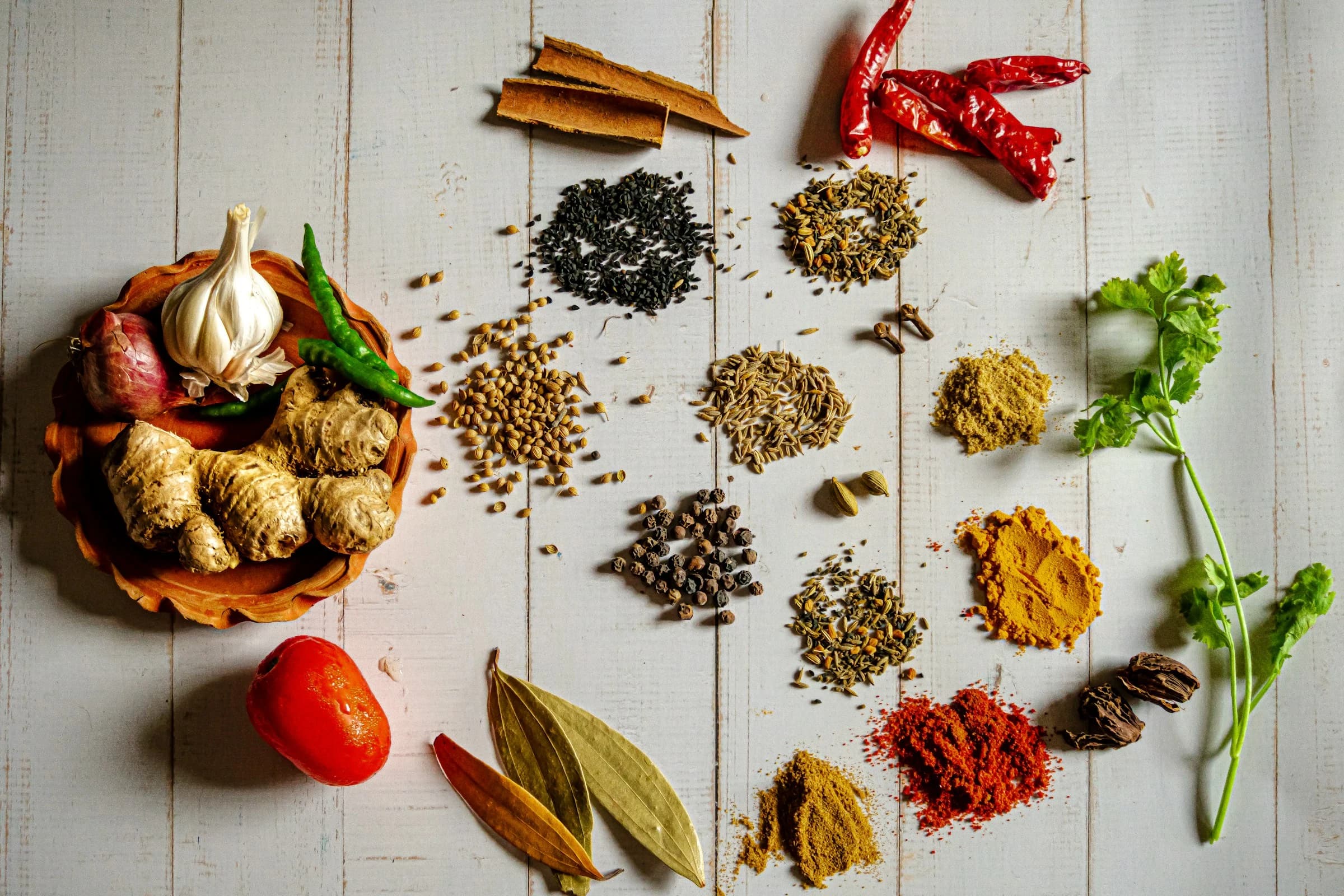
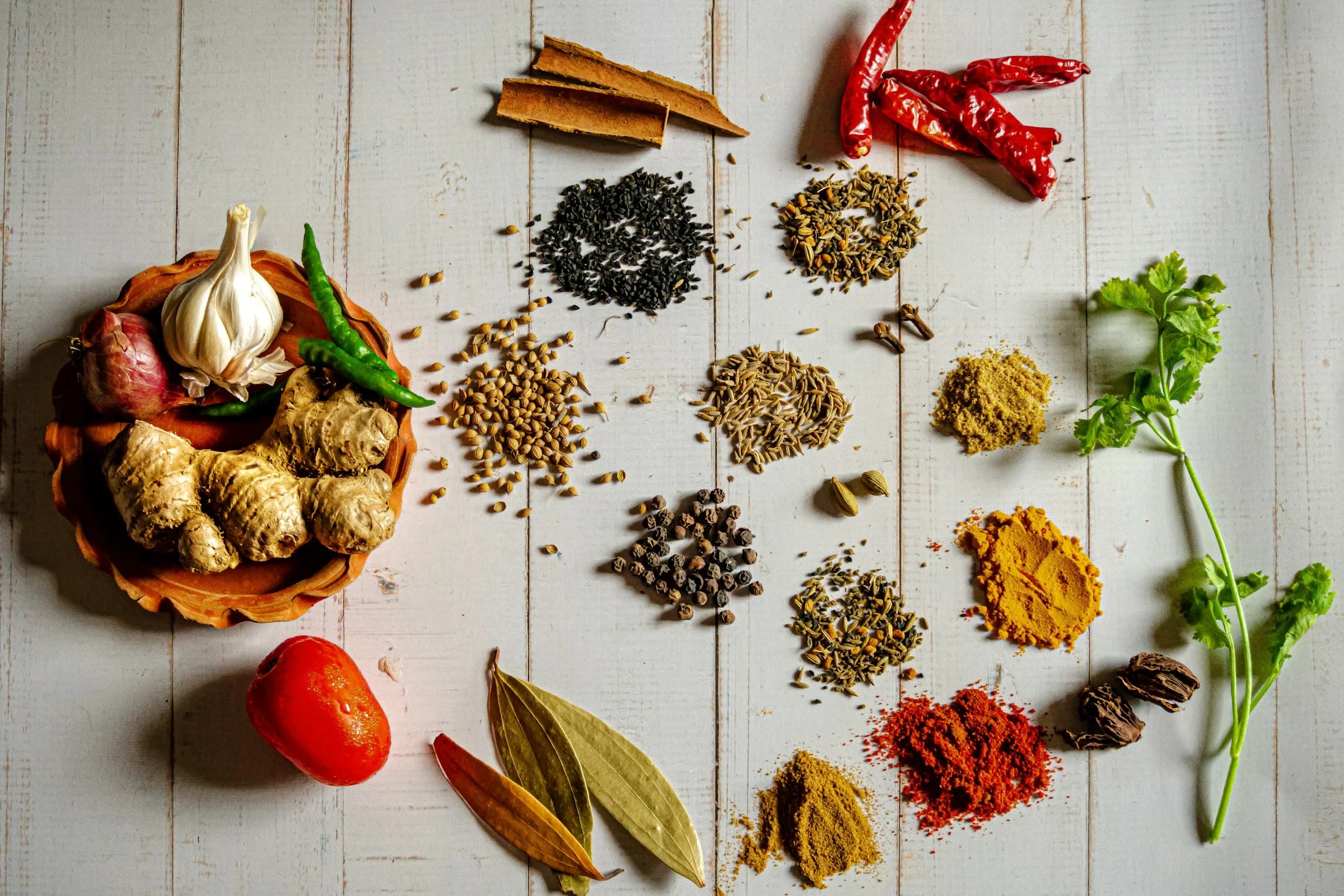
Grown exclusively in a micro-pocket near Jodhpur. Prized for brilliant deep-scarlet colour and slow, gentle smokiness without aggressive, numbing pungency.
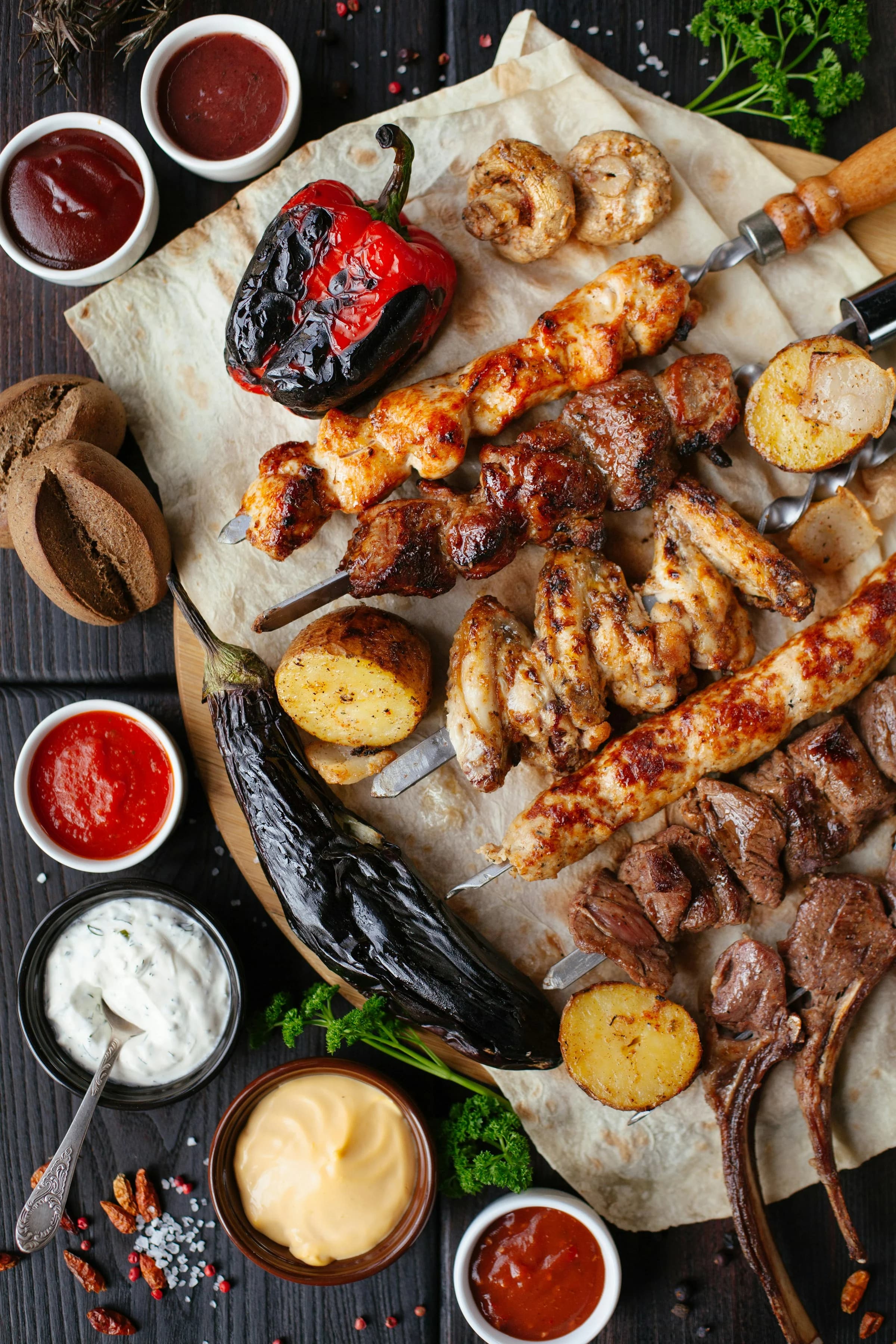
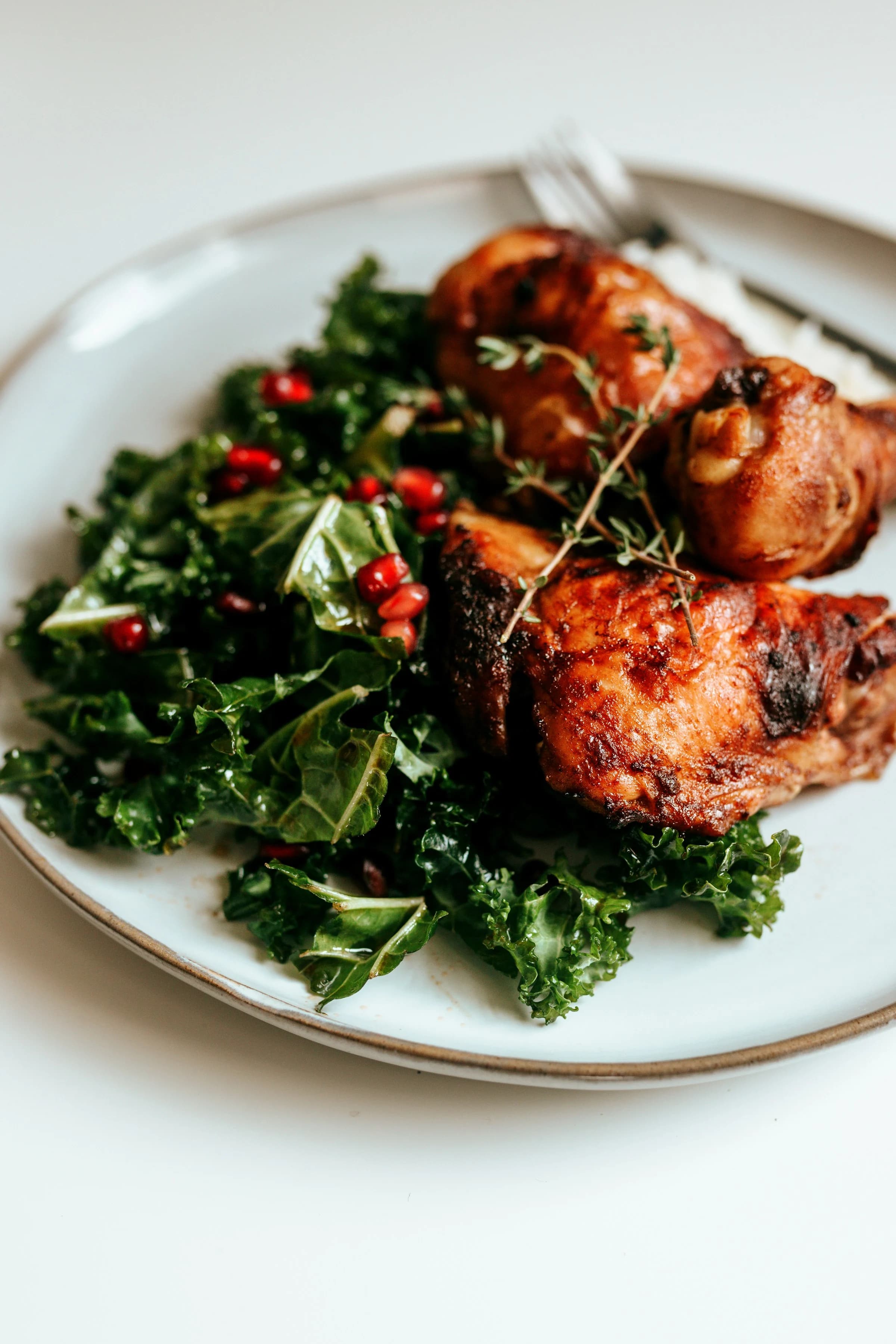
The quintessential camp preparation of Rajput warriors. Thin escalopes of wild game marinated in wild souring curd and roasted over babool wood charcoals.
Bell metal alloys of 78% copper and 22% tin, prescribed in courtly Ayurvedic manuscripts to cool body heat, preserve digestive fire, and conduct thermal energy.

In a narrow agricultural pocket north of Jodhpur, desert soil and intense diurnal temperature swings yield the ruby pepper that gives royal Lal Maas its crimson glow and velvet warmth.

Smoked over glowing babool coals, tenderised with wild kachri melon, and finished with the courtly dhungar clove-smoke ritual: the enduring delicacy of open-air royal hunting encampments.

Decrypting handwritten royal recipe treatises where Maharaja Digvijaya Singh of Sailana brought laboratory precision to sandalwood pastes, while Rampur perfected rose-scented lamb halwa.

Edible silver varq beaten between parchment to sub-micron gossamer, Kashmiri saffron strands, and slow-reduced mawa: why royal dessert tables were treated as medicinal and aesthetic sculpture.

Billowing silk shamianas lit by flaming mashaals and sand-pit roasted Khad Khargosh: how the romance of the desert hunting banquet survives in India's premier luxury retreats.
From the Victorian walled gardens of Derbyshire to the cellars of Mayfair and Edinburgh's historic dining rooms.

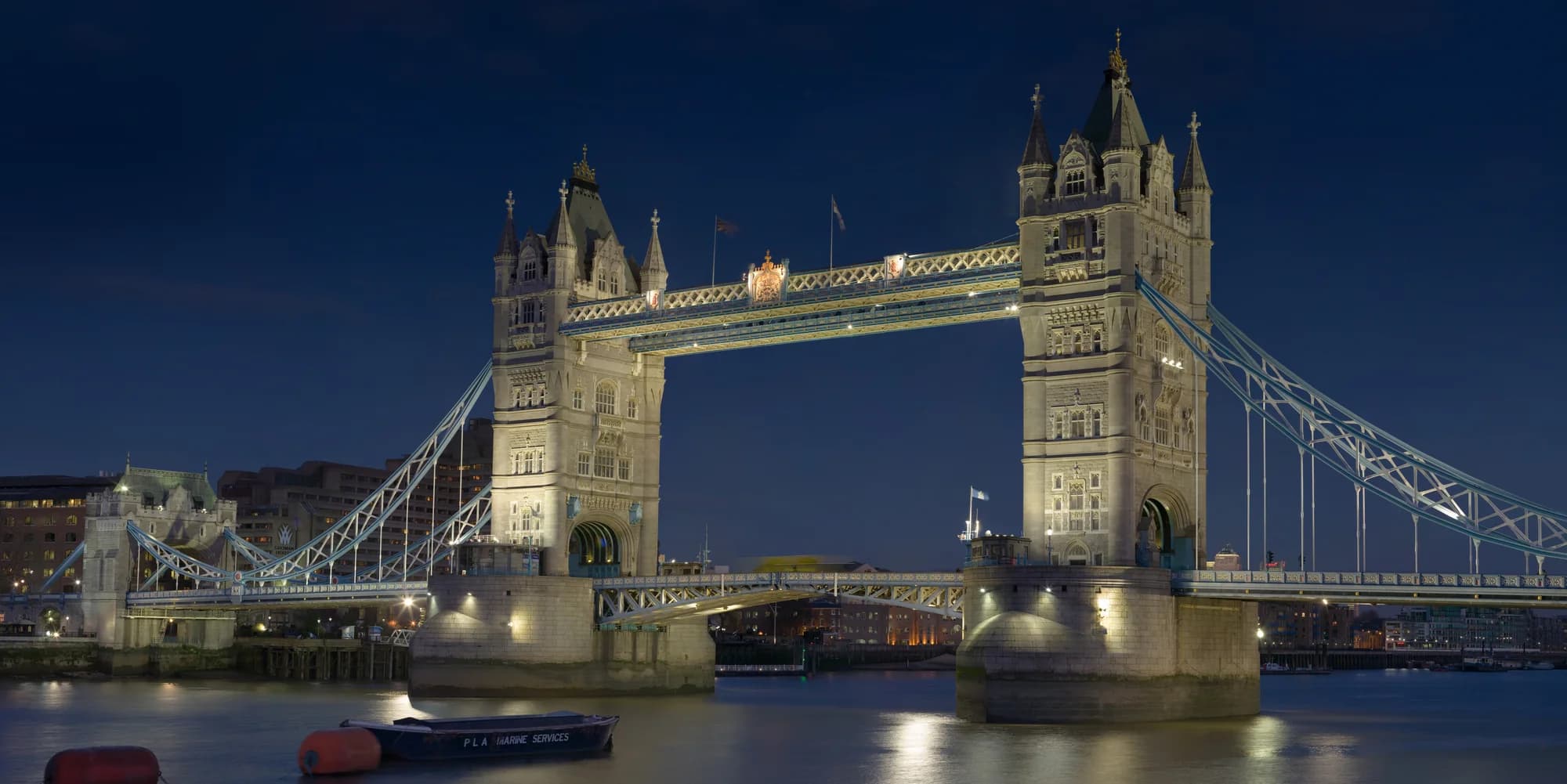
How historic British estates — from Chatsworth to Gleneagles — preserve the ritual of the long mahogany table, estate venison, Victorian walled gardens, and courtly entertaining.

Tiered silver stands, Cornish clotted cream, bone china, and first-flush Himalayan infusions: the living art of British afternoon tea at Claridge's, The Ritz, and The Balmoral.

The historic Scottish railway landmark at No. 1 Princes Street, pairing Michelin-calibre gastronomy with rare Speyside single malts beneath the soaring Venetian chandelier dome.

Two centuries of gastronomic diplomacy seen through London's finest institutions — from Claridge's and The Connaught to private members' cellars in St James's.
Entertaining at the highest level requires more than exceptional cooking. It demands an orchestrated choreography of candlelight, linen weight, crystal provenance, and distilled terroir.

The architecture of the dining table: from antique silver candelabra and Irish linen to Waterford crystal and the choreographed service rituals of grand European and Indian receptions.

78% copper and 22% tin: why the Maharajas preferred hand-beaten bell metal over pure gold. The thermal conductivity, alkalising health properties, and geometric mandala of twelve katoris.

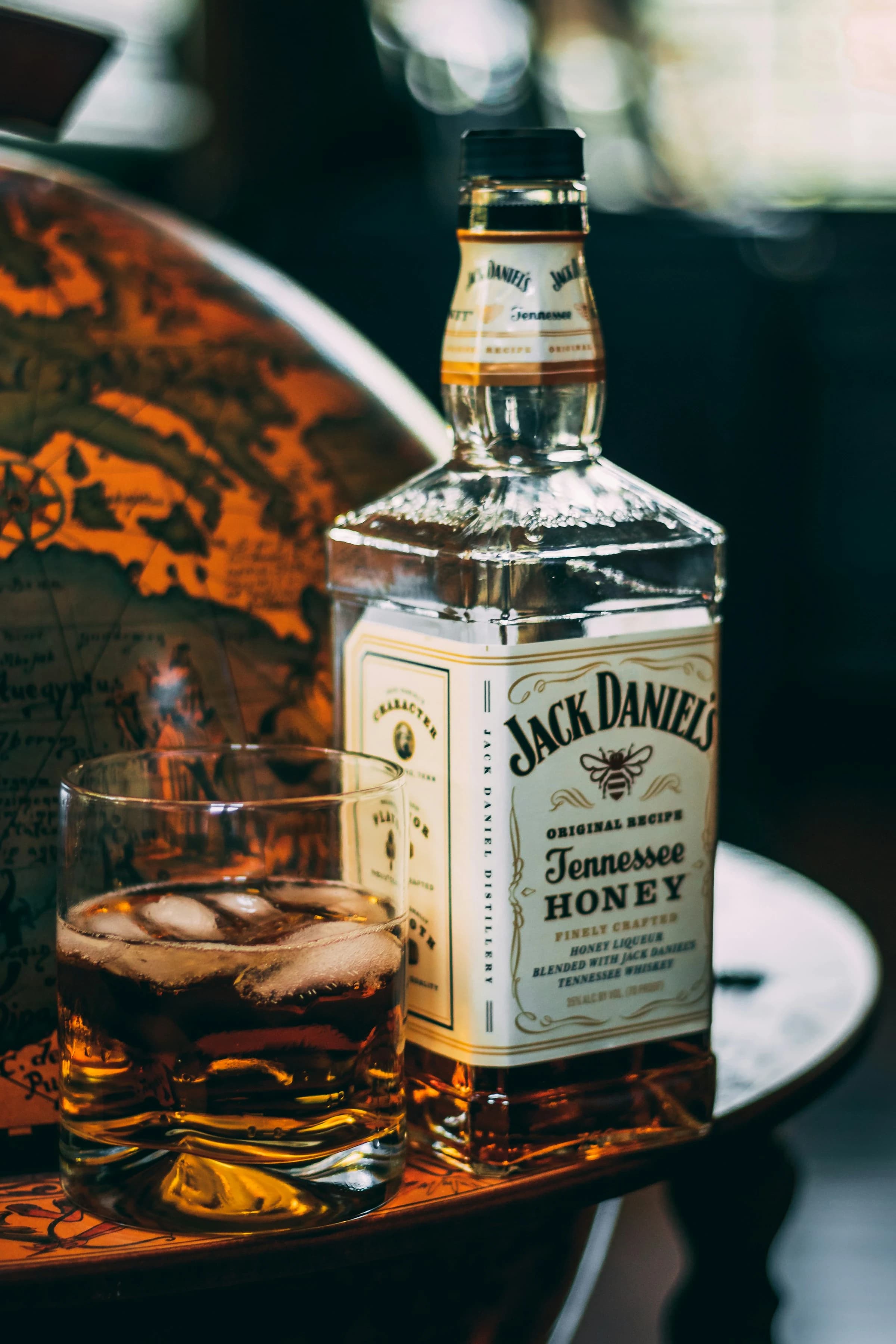
How tropical humidity, Himalayan six-row barley, and bourbon oak casks made Indian single malts the most sought-after bottles among international collectors and auction houses.

From first-flush spring muscatel in the Himalayan mist of Makaibari to malty Brahmaputra whole-leaf Assams and high-altitude Nilgiri frost harvests: India's grand cru estates.
The contemporary Indian culinary vanguard is not merely modernising old dishes; they are decoding flavour chemistry, negative spice pairing, and forgotten micro-regional fermentations.

From London and Bangkok to New York and New Delhi: how visionary chefs are stripping subcontinental food of clichés to craft rigorous, ingredient-driven, multi-course degustations.

Moving beyond heavy gravies and generic tandoori platters: why progressive Indian gastronomy now commands the world's most critical dining accolades and discerning palates.

Scientific flavor chemistry meets heritage recipes: how top culinary labs prove that contrasting flavor compounds create the sublime harmony of subcontinental cooking.
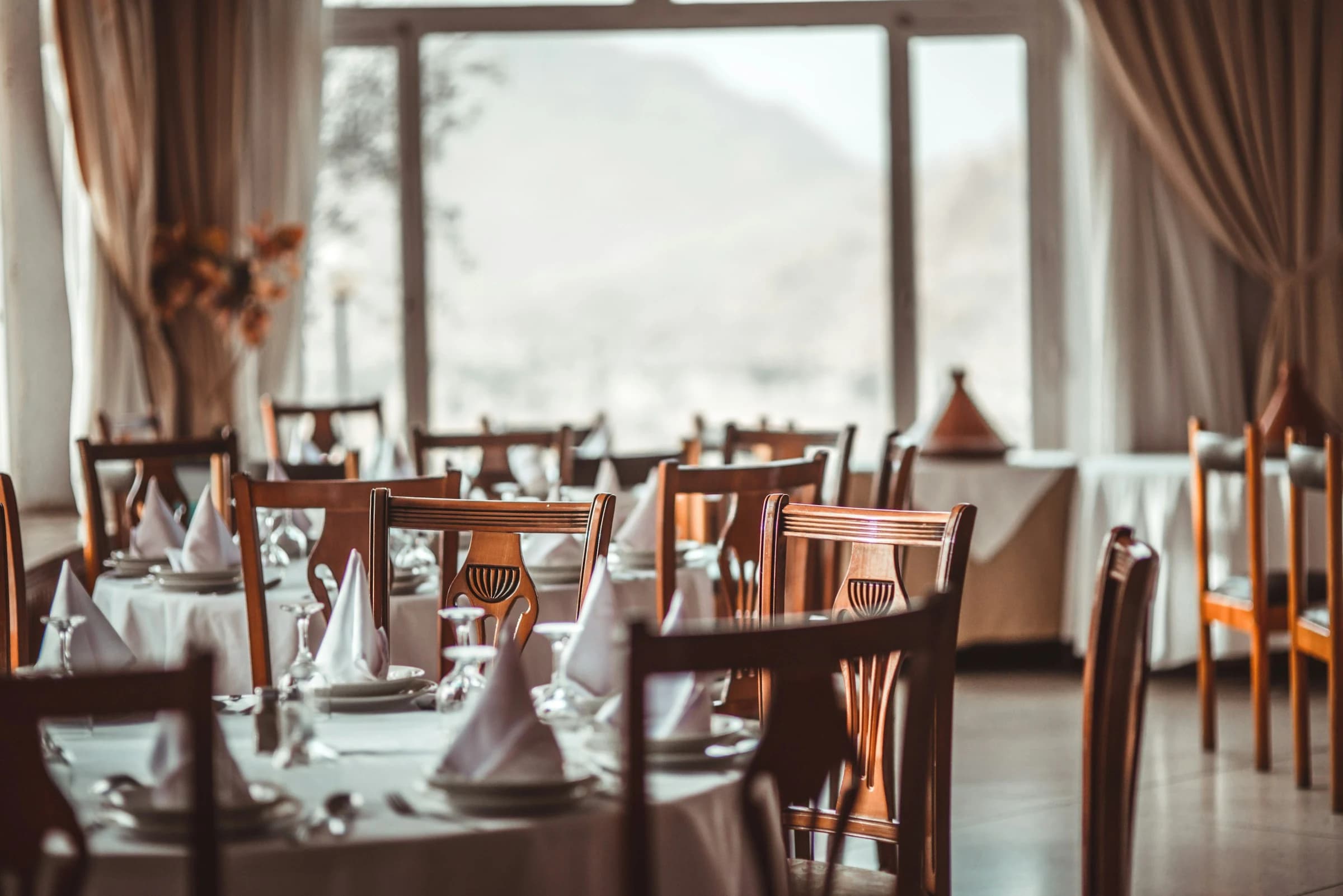
When the dining room itself is an architectural masterpiece — where crystal chandeliers, hand-painted gold ceilings, and marble verandas create an unforgettable culinary stage.

From Suvarna Mahal under Florentine ceiling frescoes to the 101 Table of Taj Falaknuma and marble pavilions overlooking Lake Pichola: the world's grandest halls to dine.

A 108-foot rosewood masterpiece engineered for whispered diplomacy, Italian marble urns, and silver chilamchi hand-washing rituals that precede imperial dawat feasts.

A curated connoisseur's itinerary through private heritage dining chambers across Rajasthan, Central India, and the regal courts of the Deccan.

Candlelit terraces hovering over the moonlit waters of Udaipur, and lantern-lit royal tented camps in the Thar Desert where the stars form the ceiling.
Suvarna Mahal
Rambagh Palace · Jaipur
Florentine ceiling frescoes, alabaster urns, and silver thaal tasting menus curated with royal families.
The 101 Table
Taj Falaknuma · Hyderabad
The world's longest dining table in carved rosewood with 101 chairs and acoustics calibrated for whispering.
Durbar Hall & Pichola
City Palace · Udaipur
Waterfront marble verandas and portrait galleries where Mewari game and winter lentils are served.
The Palm Court
The Balmoral · Edinburgh
Venetian glass chandelier, harpist, and the definitive British afternoon tea pairing Scottish game and rare teas.
Explore the complete collection of 18 long-form investigations, recipes, terroir essays, and interviews across royal courts and international dining capitals.
Weekly essays on palace culinary archives, secret restaurant reservations, rare single malt releases, and the art of imperial tablescaping.