The Geochemistry of the Desert Pocket
Thirty kilometres north of Jodhpur, where the semi-arid thorn scrub gives way to sandy alluvial flats, lies Mathania. For centuries, this village of stone cottages and deep stepwells held a near-mythical status across northern Indian courts. It is here—and exclusively here—that the true Mathania mirch achieves its distinctive organoleptic profile.
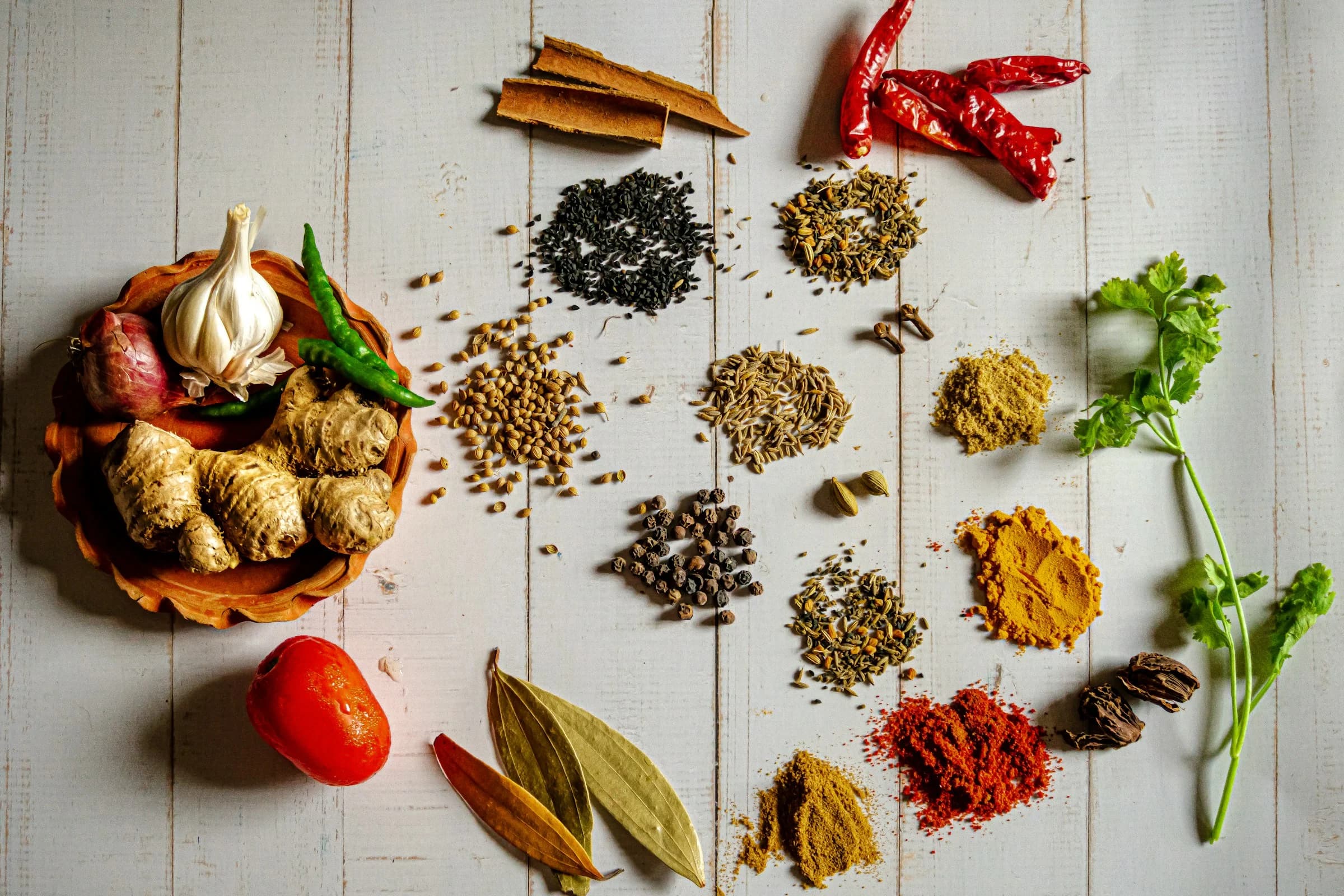
The secret lies in the unforgiving geology of the Thar. The soil is rich in calcium carbonates, loose sandy loam, and brackish ground minerals that impose extreme water stress upon the pepper vines during their autumn fruiting cycle. Combined with intense diurnal temperature swings—scorching daytime sun exceeding 40°C followed by sudden desert night chills—the pepper plant responds by concentrating aromatic sugars, carotenoid pigments, and essential oils while throttling capsaicin production.
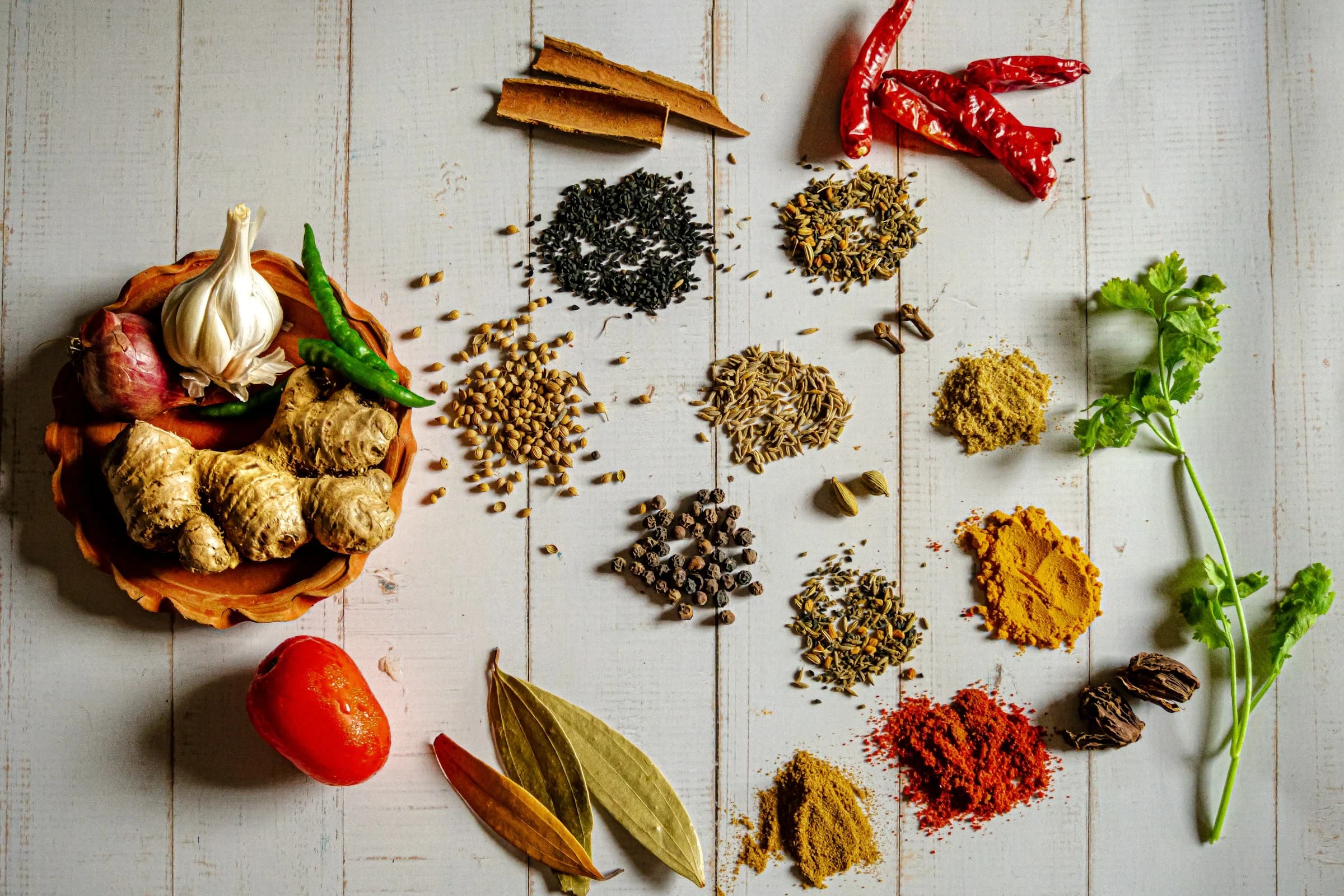
The result is a pod of extraordinary character: long, wrinkly, and tapering to a delicate tip. When ground, it yields a powder of startlingly vibrant scarlet-magenta rather than dull rust, possessing notes of sun-warmed tobacco, dried cherries, and subtle earthiness rather than the blinding heat typical of southern Guntur peppers.
“In a royal Marwari banquet, Mathania chilli coats the palate like fine velvet, warming the soul rather than searing the senses.”
The Imperial Canvas: Lal Maas and Shikari Cookery
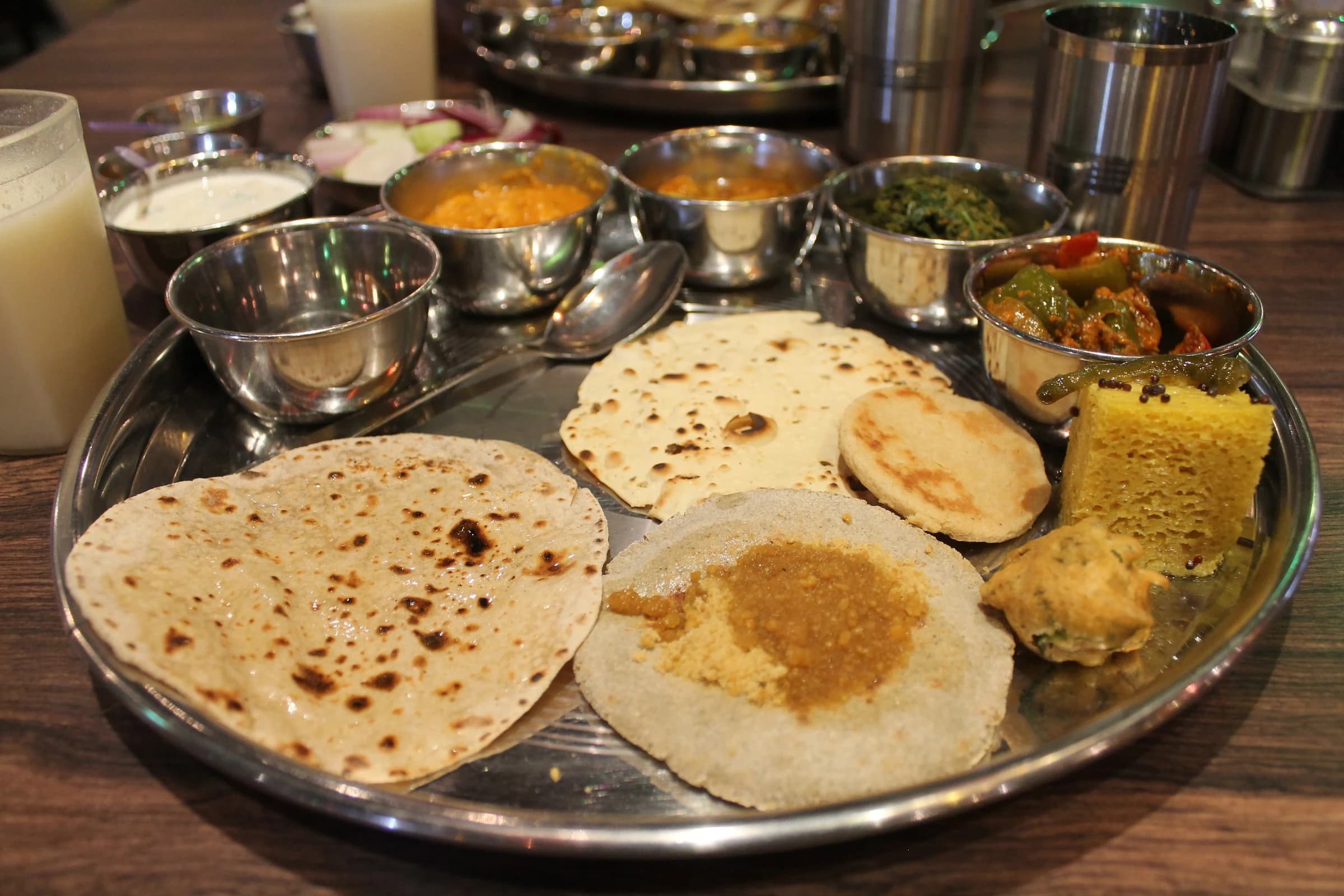
Without the true Mathania pepper, Rajputana’s most celebrated court dish—Lal Maas—simply cannot exist in its authentic form. Originating in the royal hunting camps (shikargahs) of Mewar and Marwar, Lal Maas was engineered for preservation and primal sustenance. When a prince returned with wild game, the khansamas had to prepare a feast without onions, garlic, or excessive tomatoes, which were considered either spiritually improper in courtly durbars or prone to spoilage under desert heat.
The master cooks discovered that a generous paste of stone-ground Mathania chillies, simmered slowly in unadulterated goat ghee alongside coarse desert salt and wild kachri (dried wild melon), served a dual purpose. The pepper’s abundant natural antioxidants and capsaicinoids acted as a potent preservative, curing the game meat and tenderising tough muscle fibres, while the ghee absorbed the carotenoid pigments to form a brilliant crimson floating roghan (lipid veil).
Importantly, true courtly Lal Maas was never an assault on the tongue. In modern commercial restaurants, cooks frequently substitute cheap hybrid peppers to create scorching heat that numbs the palate. In a royal Marwari banquet, by contrast, one tastes the sweet mineral richness of the meat, the earthy bloom of coriander, and the slow, warm, sun-kissed bloom of the Mathania pepper that coats the palate like fine velvet.
Preserving an Heirloom Treasure
Despite its legendary status, true heirloom Mathania chilli came perilously close to commercial extinction in the late 1990s. Depleting water tables in Jodhpur district, combined with aggressive influxes of high-yield commercial hybrids that yielded uniform, machine-plucked crops, led many local farmers to abandon the finicky heirloom seed.
Today, a concerted conservation movement initiated by regional royal foundations, heritage hoteliers, and culinary researchers has begun reversing the tide. Private estate farms in Marwar have established protected seed banks, ensuring that non-hybridised strains are cultivated with organic drip irrigation and traditional sun-curing on woven reed charpais.
Leading luxury hotels across Rajasthan, including Taj Lake Palace Udaipur, Umaid Bhawan Jodhpur, and Rambagh Palace Jaipur, now contract directly with ancestral farming collectives in Mathania, guaranteeing fair-trade premiums to keep this irreplaceable botanical heritage alive.
“Terroir is not an invention of French viticulture; it has lived for centuries in the mineral-rich soils of the Thar Desert.”
The Royal Gallerys Perspective
Terroir is not an invention of French viticulture; it has lived for millennia in the ancient spice soils of India. The Mathania chilli is living proof that luxury in gastronomy resides in hyper-local authenticity, botanical heritage, and unhurried cultivation.
To understand the table of Rajputana, one must begin with this radiant scarlet pod—born of desert scarcity, refined by courtly taste, and cherished by generations of masters who understood that true fire warms the soul rather than scorching the senses.
THE ROYAL GALLERYS is the international magazine for heritage, culture and luxury — documenting the people, places and ideas shaping the worlds of royalty, jewellery, design, travel and contemporary life. Our editorial authority rests on deep engagement with India's cultural ecosystem and a commitment to telling the stories that matter.
For editorial inquiries, story proposals, and partnership discussions, contact our editors at hey.theroyalgallerys@gmail.com.
Raghuvendra Singh Rathore
Senior Terroir & Agriculture Editor. THE ROYAL GALLERYS is the international magazine for heritage, culture and luxury — editorial authority on the people, places and ideas shaping our world.
Part of Dining
This article is part of THE ROYAL GALLERYS Dining section — our international editorial destination for dining, heritage and luxury.
Explore All Dining Stories →