Dismantling the Monolith: Beyond the Anglo-Indian Curry House
For nearly a century in the Western culinary imagination, Indian food was reduced to an unrecognisable monolith: a generic lineup of orange gravies, heavy creams, and indiscriminate spice powders served in carpeted dining rooms across Bradford, Birmingham, and midtown Manhattan. This colonial reduction ignored the reality that the Indian subcontinent encompasses over thirty distinct culinary civilisations, each with its own micro-climates, fermentation traditions, fat mediums, and spice temperaments.
Today, that reductive era is definitively over. Over the past fifteen years, led initially by trailblazers like Manish Mehrotra of Indian Accent in New Delhi and Gaggan Anand in Bangkok, and propelled forward by a fearless younger guard, Indian cuisine has taken its rightful place at the absolute summit of global gastronomy. From Mayfair and Brooklyn to Tokyo and Paris, modern Indian tasting menus are now treated with the same intellectual reverence, cellar pairings, and critical acclaim previously reserved for French haute cuisine and Japanese kaiseki.
“Indian fine dining is no longer looking to Europe for validation. Europe, Asia, and the Americas are now looking to India for inspiration.”
The Power of the Hyper-Local: Terroir, Tribal Foraging and Fermentation
What defines this new guard is not mere modernist parlour tricks or liquid nitrogen gimmicks, but a ferocious commitment to regional specificity. Rather than offering an all-India greatest hits menu, today's leading chefs are diving deep into forgotten regional geographies.
In Mumbai, chefs are spotlighting the coastal Konkani, Koli, and Saraswat traditions — utilizing souring agents like dried kokum, raw mango, and teppal berries instead of ubiquitous tomatoes and cream. In London, restaurants like Gymkhana and BiBi celebrate the culinary lineages of Punjab's grand trunk road and the spice plantations of Malabar, presenting hyper-focused dishes that highlight single-estate black pepper from the Cardamom Hills and artisanal sea salts from the Rann of Kutch.
Equally transformative is the embrace of India's neglected North-Eastern culinary landscape. Chefs are incorporating fermented bamboo shoots, smoked pork fats from Nagaland, ghost pepper preserves, and wild mountain herbs from Sikkim, shocking international palates accustomed to sweetness with sharp, umami-rich, ferment-forward complexities.
The Global Triumph: From London to New York
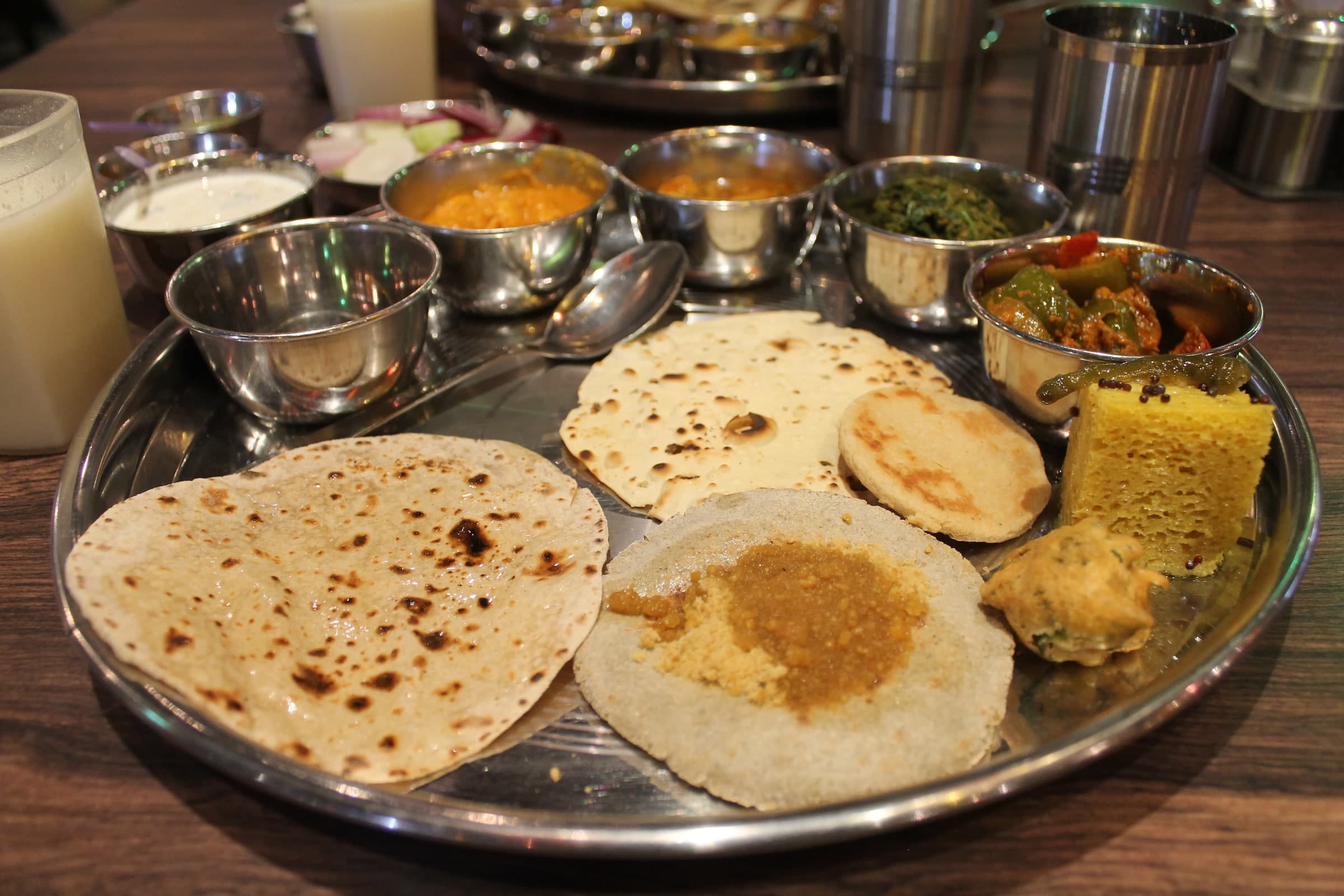
The critical establishment has taken notice. In London, Indian establishments consistently retain Michelin stars, with restaurants commanding waiting lists that rival the finest tables in Europe. In New York, spots like Dhamaka, Semma, and Bungalow have redefined the city's dining conversation, unapologetically serving authentic regional homestyle dishes — goat neck biryani, snail curries, and gun-powdered dosas — without toning down heat levels or accommodating Western sanitisation.
Female chefs are playing a central role in this renaissance. Garima Arora made history by becoming the first Indian female chef to earn two Michelin stars at Gaa in Bangkok, blending traditional Indian flavour combinations with seasonal Thai ingredients and cutting-edge fermentation science. Her work demonstrates that Indian culinary logic — the precise sequencing of astringent, bitter, sweet, pungent, and sour flavours — is a universal design language capable of engaging any palate on earth.
“While Western cooking pairs ingredients that share flavor molecules, Indian cuisine achieves genius through negative pairing — deliberately orchestrating contrasts that sing together.”
The Science of Subcontinental Flavour
This culinary revolution is supported by hard scientific validation. In 2015, researchers at the Indian Institute of Technology (IIT) Jodhpur analysed thousands of traditional subcontinental recipes and published a landmark study revealing that while Western cuisines pair ingredients that share similar chemical flavour compounds, Indian cuisine achieves its brilliance through 'negative food pairing' — deliberately contrasting ingredients whose chemical profiles do not overlap.
This negative pairing creates a dynamic, multi-layered flavour architecture that activates multiple taste receptors simultaneously. When a master chef balances turmeric's earthy bitterness, jaggery's molasses warmth, tamarind's sharp acidity, and mustard seed's sharp pungent pop, they are executing an intricate biochemical equation refined over three millennia.
The Royal Gallerys Perspective
The triumph of the new guard of Indian chefs represents far more than an exciting restaurant trend; it is a profound reclamation of cultural dignity. By refusing to compromise their culinary heritage for foreign approval, these chefs have forced the global gastronomic elite to meet India on its own terms.
As the world continues to wake up to the astounding richness of subcontinental gastronomy, one thing is abundantly clear: Indian fine dining is no longer looking to Europe for validation. Europe, Asia, and the Americas are now looking to India for inspiration.
THE ROYAL GALLERYS is the international magazine for heritage, culture and luxury — documenting the people, places and ideas shaping the worlds of royalty, jewellery, design, travel and contemporary life. Our editorial authority rests on deep engagement with India's cultural ecosystem and a commitment to telling the stories that matter.
For editorial inquiries, story proposals, and partnership discussions, contact our editors at hey.theroyalgallerys@gmail.com.
Kavita Singhal
Senior Food & Wine Critic. THE ROYAL GALLERYS is the international magazine for heritage, culture and luxury — editorial authority on the people, places and ideas shaping our world.
Part of Dining
This article is part of THE ROYAL GALLERYS Dining section — our international editorial destination for dining, heritage and luxury.
Explore All Dining Stories →