The Philosophy of the Arid Fortress Table
To understand the culinary culture of Rajputana is to understand an intimate alliance between geography and martial discipline. The kingdoms of Rajasthan — Marwar, Mewar, Dhundhar, Bikaner, and Hadoti — developed their courtly cuisine not in bountiful river valleys, but against the harsh, unforgiving expanse of the Thar Desert and the rugged granite cliffs of the Aravalli hills.
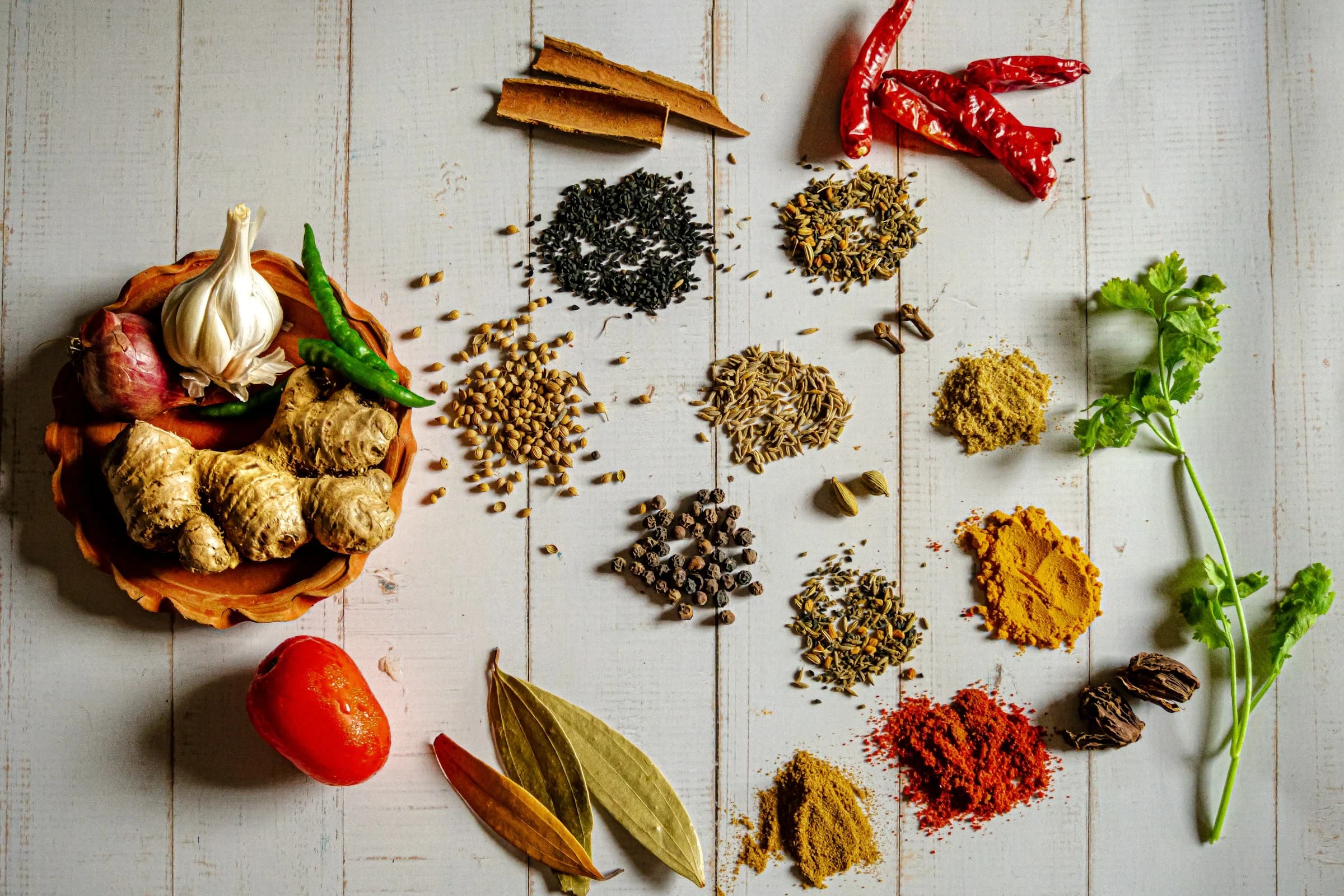
In times of military campaign and prolonged fortress sieges, fresh water was precious and green vegetables virtually non-existent. Survival demanded culinary ingenuity: proteins were preserved using unpasteurized buttermilk, curd, mustard oil, and clarified butter (*ghee*), while desert flora provided dense nutritional firepower. The legendary *Panchkuta* — a combination of five wild desert ingredients: ker berries, sangri bean pods, kumatiya seeds, amchur (dried mango), and gunda — became a sovereign staple that could keep for weeks without spoiling.
“At a formal Rajputana table, meals were served on kansa and silver thaals according to strict Ayurvedic geometry — balancing all six tastes to restore the body and mind.”
Mewar and Marwar: Two Courtly Temperaments
While outsiders often treat 'Rajasthani food' as monolithic, the aristocratic traditions of Udaipur (Mewar) and Jodhpur (Marwar) represent two entirely distinct culinary temperaments.
Mewari cuisine, shaped by the forested hill terrain around Lake Pichola, is defined by gentle complexity and agrarian richness. Here, white gravies flavored with poppy seeds, melon seeds, and white pepper (*Safed Maas*) held court beside preparations slow-braised with sour pomegranate seeds and coriander root. In contrast, Marwari cooking from Jodhpur is bold, fiery, and deeply rooted in the open sands. It is the spiritual home of *Lal Maas*, where goat meat is seared in smoking ghee with whole garlic cloves and ground Mathania chillies — a prized red pepper cultivated exclusively around the village of Mathania, celebrated for its vibrant crimson hue, smoky earthiness, and fruit-forward heat.
The Thaal: Geometry, Ayurveda, and Courtly Etiquette
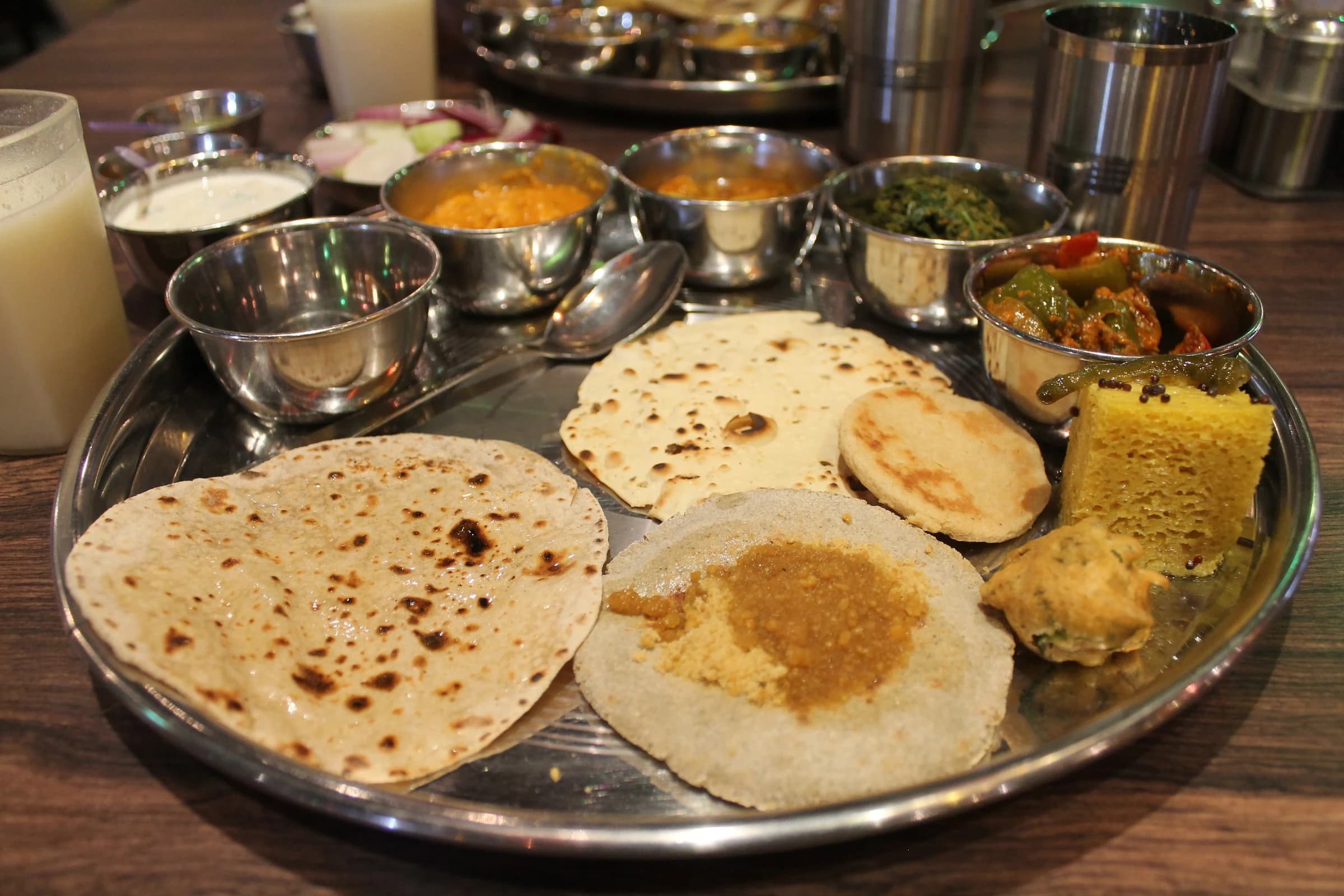
At a formal Rajputana table, dining is an architectural event. Meals are presented on heavy *thaals* crafted from silver or *kansa* (a sacred alloy of copper and tin revered in Ayurvedic medicine for its alkalizing properties). Around the central mound of fragrant bajra or wheat roti, an array of small katoris is laid out according to strict cosmological and digestive sequencing.
Ayurveda dictated that a royal meal must engage all six rasas (tastes): sweet, sour, salty, bitter, pungent, and astringent. A bitter neem or fenugreek preparation stimulated the digestive fire (*agni*); a pungent Mathania curry quickened blood flow; cooling churned yogurt (*chhaas*) scented with roasted cumin soothed the palate; and rich jaggery or malpua at the close grounded the body. Nothing was accidental; every meal was calibrated as a restorative medicine.
“Mathania chillies from the sands outside Jodhpur deliver what no ordinary chilli can: vibrant crimson color, rich fruit sweetness, and deep smoky heat.”
The Hunt, The Skewer, and the Smoke of Dhungar
Few techniques are more evocative of Rajput royal heritage than *sooley* and *dhungar*. Borne of royal hunting expeditions (*shikar*) into desert scrub, meat was thinly filleted, marinated in wild souring agents like dried wild melon (*kachri*), and impaled on iron swords or skewers over open acacia-wood embers.
To replicate that campfire intimacy in palace banquet halls, khansamas perfected the technique of *dhungar* — placing a red-hot piece of charcoal into a small clay cup inside a sealed cooking pot, drizzling it with ghee and whole cloves, and immediately clamping the lid shut to trap the fragrant, aromatic smoke within the meat. It is a signature that modern international chefs are only now discovering and celebrating.
The Contemporary Reinterpretation
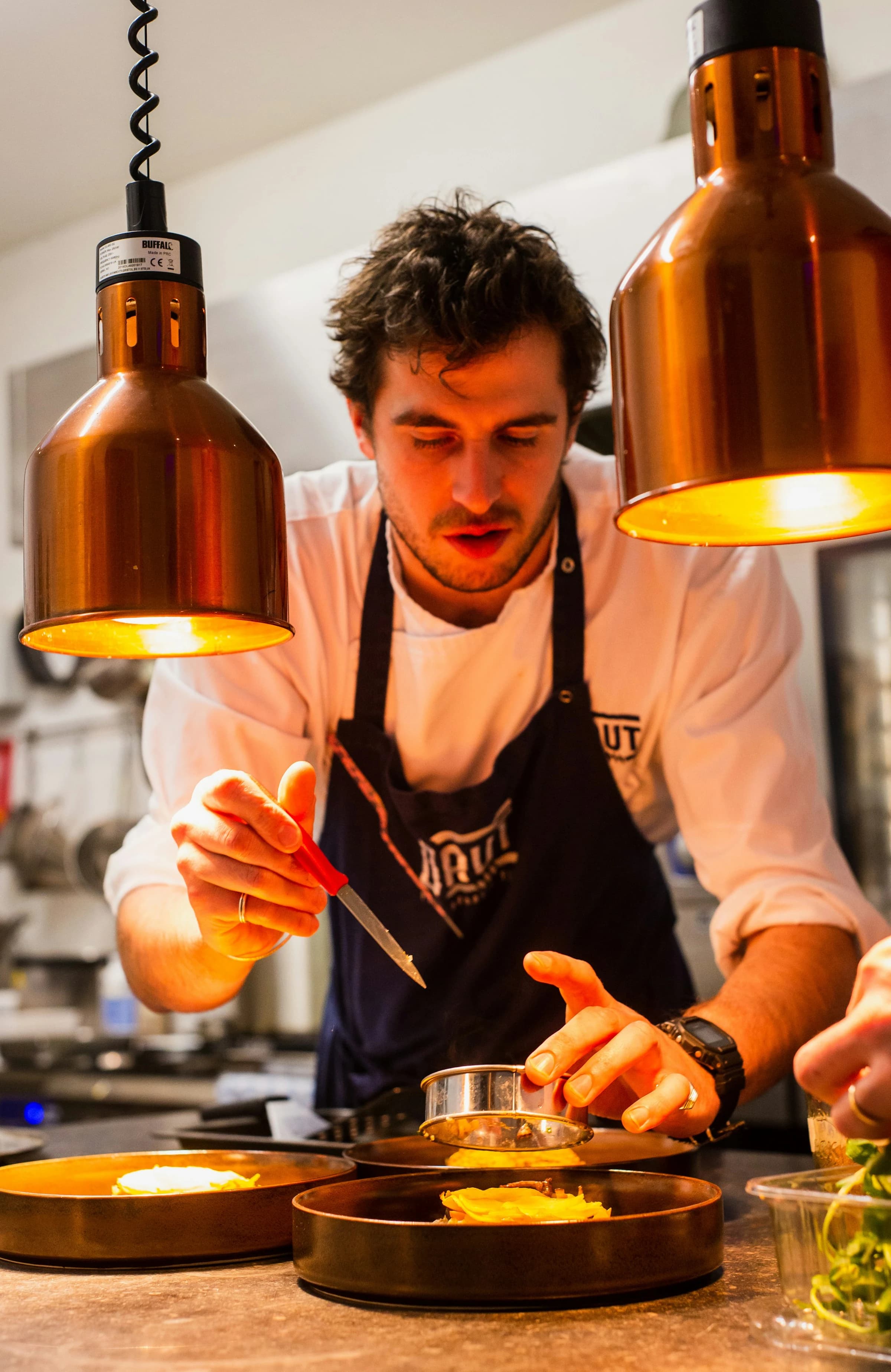
Today, visionary young chefs and royal custodians are presenting Rajputana dining with international sophistication. In Jaipur, Jodhpur, and boutique palace properties, tasting menus reinterpret ancient recipes using modern European techniques: Mathania chilli reductions paired with slow-cooked confit lamb, millet tartlets filled with spiced ker-sangri puree, and saffron milk confections served at precise cellar temperatures.
This is not fusion; it is the confident evolution of an ancient aristocratic culture stepping onto the world stage with pristine photography, exceptional ingredients, and quiet authority.
THE ROYAL GALLERYS is the international magazine for heritage, culture and luxury — documenting the people, places and ideas shaping the worlds of royalty, jewellery, design, travel and contemporary life. Our editorial authority rests on deep engagement with India's cultural ecosystem and a commitment to telling the stories that matter.
For editorial inquiries, story proposals, and partnership discussions, contact our editors at hey.theroyalgallerys@gmail.com.
Devika Rathore
Gastronomy & Heritage Editor. THE ROYAL GALLERYS is the international magazine for heritage, culture and luxury — editorial authority on the people, places and ideas shaping our world.
Part of Dining
This article is part of THE ROYAL GALLERYS Dining section — our international editorial destination for dining, heritage and luxury.
Explore All Dining Stories →