The Origin in the Royal Hunting Pavilions
Long before grand palace banqueting halls were decorated with imported French crystal and silver salvers, the gastronomic heartbeat of the Rajput kingdoms pulsed in the hunting pavilions known as shikargahs. Hunting was not merely a royal pastime; it was military drill, equestrian mastery, and diplomatic alliance-building rolled into one.
When the Maharana or Maharaja and his nobles retired to their tented pavilions at dusk after a long day tracking game across the Aravalli hills, the cooks—working under the open sky beside blazing fires of wild babool (acacia) and dhak (flame of the forest) hardwood—faced a unique culinary challenge. Freshly hunted venison or wild fowl had to be cooked immediately without the luxury of multi-day hanging or indoor kitchen gear.
From this imperative emerged the sooley: thin, wide escalopes of meat sliced along the grain, beaten delicately with flat stone pestles to relax the fibres, and subjected to an intensely calibrated acid marinade.
“Maas ke Sooley was not born in palace marble halls, but over the crackling embers of wild babool wood in open-air royal hunting encampments.”
The Botanical Chemistry: Kachri and Cultured Curd
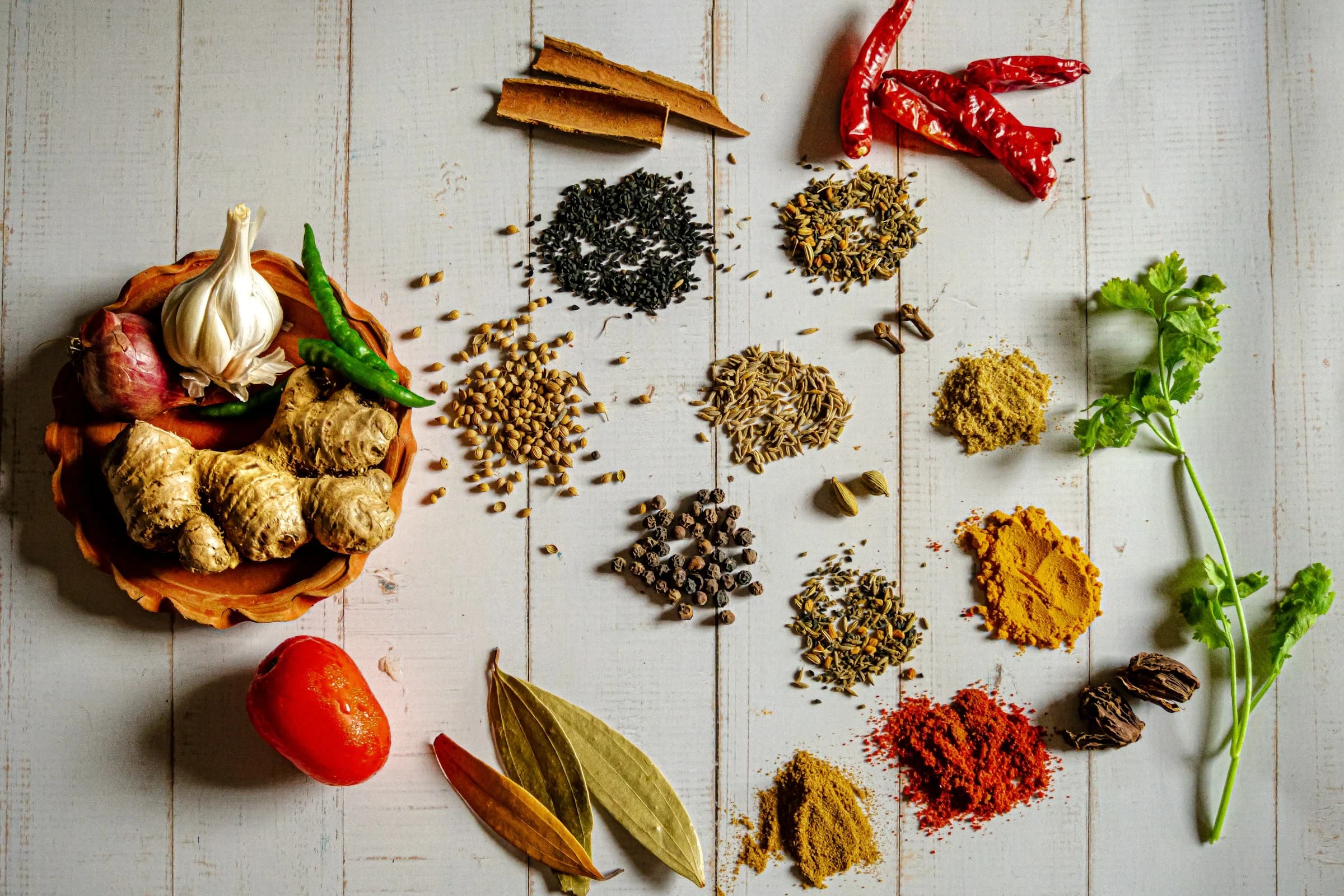
The brilliance of Maas ke Sooley lies in its marinade, which relies on a miraculous desert botanical: kachri (Cucumis callosus). This small, wild, striped desert melon, dried in the sun and ground into fine powder, contains potent proteolytic enzymes far superior to common papaya in breaking down tough muscle sinew without turning the flesh mushy.
The meat was massaged with kachri, rock salt, crushed garlic, and stone-ground Mathania chilli paste, then bound with sour, unpasteurised goat’s curd and cold-pressed mustard oil. The curd provided delicate acidity while the mustard oil’s natural allyl isothiocyanate created a protective seal against moisture loss.
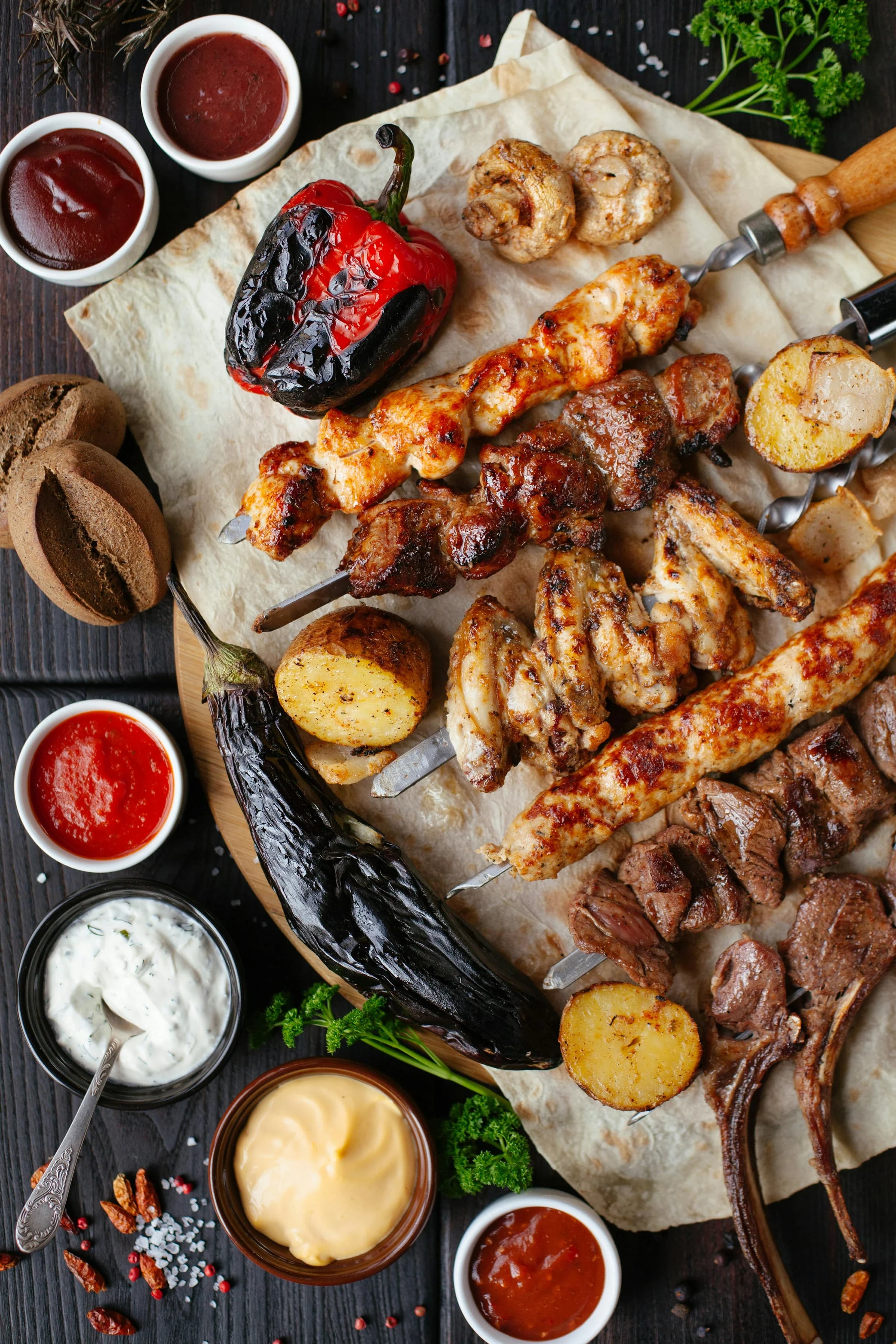
Threaded onto flat iron skewers forged by court armourers, the meat was held directly over glowing coals of wild babool wood. As fat dripped onto the embers, the smoke rose to envelop the meat in a fragrant, woody perfume that no modern gas grill could ever hope to replicate.
The Dhungar Smoking Ritual and Service
To achieve its signature complexity, the preparation was often finished with the courtly ritual of dhungar—a technique where a burning lump of coal is placed in a small brass cup nestled inside a sealed dish of cooked meat, drizzled with hot ghee and cloves, and immediately covered to trap the fragrant smoke.
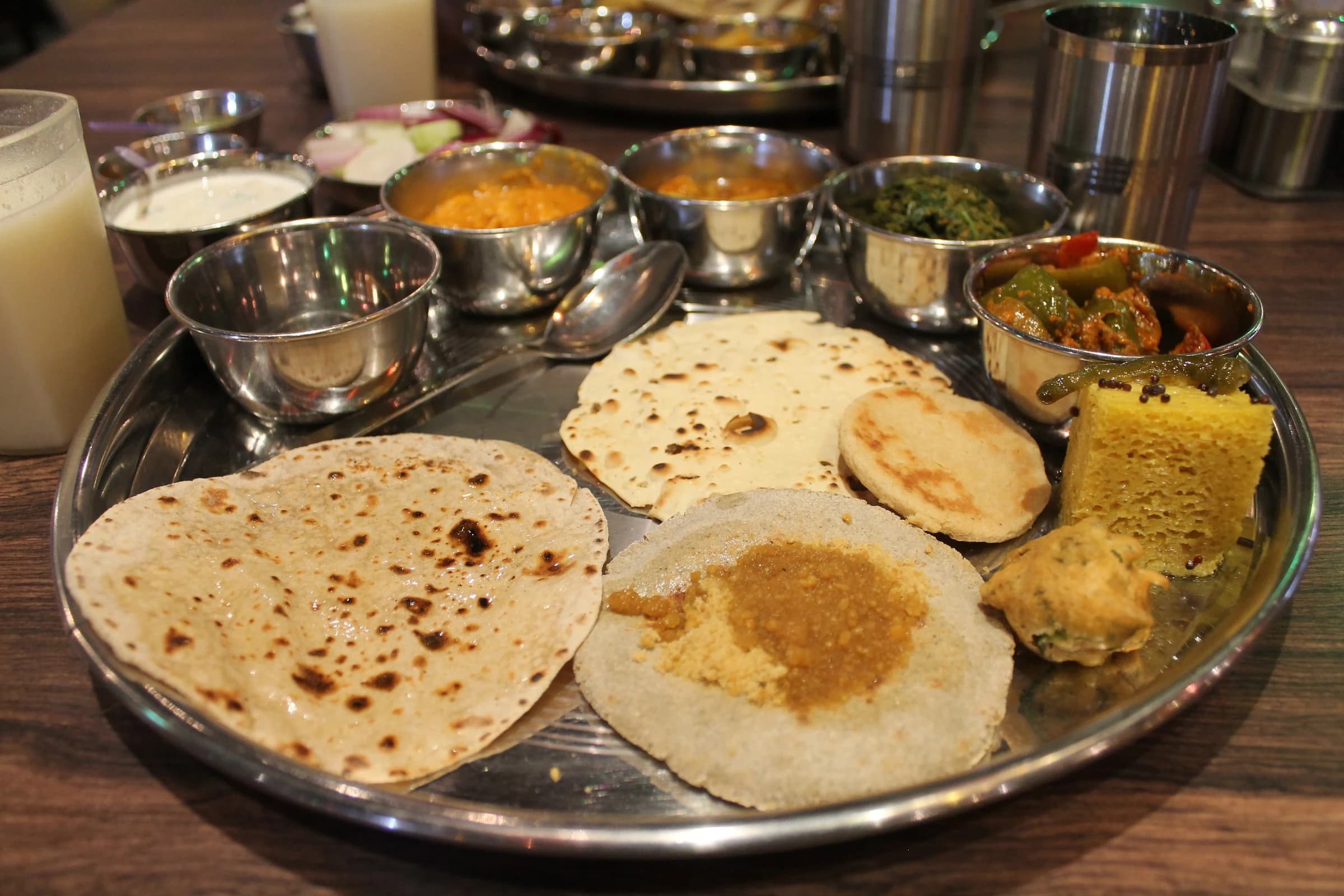
Served directly off the skewer onto heavy brass platters, Maas ke Sooley was eaten with crisp, paper-thin baati or fresh tikkars (thick wholemeal griddle breads). The texture was succulent, delicately charred at the edges, yielding to tender, aromatic meat infused with clove smoke and the gentle warmth of dry desert spices.
“Wild kachri melon provided natural proteolytic enzymes that broke down game fibres without compromising the noble texture of the meat.”
The Royal Gallerys Perspective
Maas ke Sooley represents the apex of noble rustic cooking: minimalist, mathematically balanced, and deeply anchored in its landscape. It connects the diner not to a chef’s modern invention, but to the crackling campfires of Mewari warriors and the aristocratic camaraderie of the desert plains.
THE ROYAL GALLERYS is the international magazine for heritage, culture and luxury — documenting the people, places and ideas shaping the worlds of royalty, jewellery, design, travel and contemporary life. Our editorial authority rests on deep engagement with India's cultural ecosystem and a commitment to telling the stories that matter.
For editorial inquiries, story proposals, and partnership discussions, contact our editors at hey.theroyalgallerys@gmail.com.
Maharani Priyadarshini Kumari
Royal Culinary Historian. THE ROYAL GALLERYS is the international magazine for heritage, culture and luxury — editorial authority on the people, places and ideas shaping our world.
Part of Dining
This article is part of THE ROYAL GALLERYS Dining section — our international editorial destination for dining, heritage and luxury.
Explore All Dining Stories →