The Soil and the Sovereign Seat
Long before 'farm-to-table' became a commercial marketing slogan in metropolitan capitals, the British country house lived and breathed the concept as a matter of practical aristocratic routine. An English or Scottish country seat was never simply a residential mansion; it was an integrated agricultural and sporting ecosystem designed to feed family, staff, and hundreds of seasonal guests from its own estate boundaries.
At estates like Chatsworth in Derbyshire, Blenheim in Oxfordshire, and Highclere in Hampshire, the dining table reflected the calendar with unvarnished accuracy. Spring brought early asparagus and forced rhubarb from heated brick walled gardens; summer yielded river trout, wild strawberries, and estate lamb; autumn inaugurated the great sporting shoots of pheasant, partridge, and red deer venison; and winter settled into slow-braised root vegetables, game pies, and cellar-aged ports.
“Long before 'farm-to-table' became a modern catchphrase, the British country house lived it — feeding dukes and guests purely from estate gardens and deer forests.”
The Walled Garden: Microclimatic Engineering
At the heart of every great estate lay the walled kitchen garden — a triumph of horticultural engineering. Enclosed by thick red brick walls that absorbed daytime solar radiation and radiated it back into the soil at night, these sheltered quadrangles created microclimates capable of supporting delicate fruits and vegetables far north of their natural zones.
At Chatsworth, under the legendary head gardener Sir Joseph Paxton in the 1830s and 40s, the estate's glasshouses successfully cultivated the Cavendish banana — the ancestor of virtually every dessert banana consumed worldwide today — alongside pineapples, melons, and rare dessert grapes. Today, that horticultural tradition is undergoing a spectacular luxury revival. At contemporary country house hotels like Gravetye Manor, The Newt in Somerset, and Heckfield Place, Michelin-starred kitchens dictate morning harvesting directly from five-acre biodynamic walled gardens.
The Choreography of the Country House Day
Country house dining possesses its own unmistakable domestic rhythm. The day begins not with formal service, but with the celebrated institution of the English breakfast sideboard: heavy silver chafing dishes warming kidneys, scrambled farm eggs, smoked kippers from Arbroath, and thick-cut estate bacon, allowing guests to serve themselves informally in tweed jackets before departing for morning walks or shooting drives.
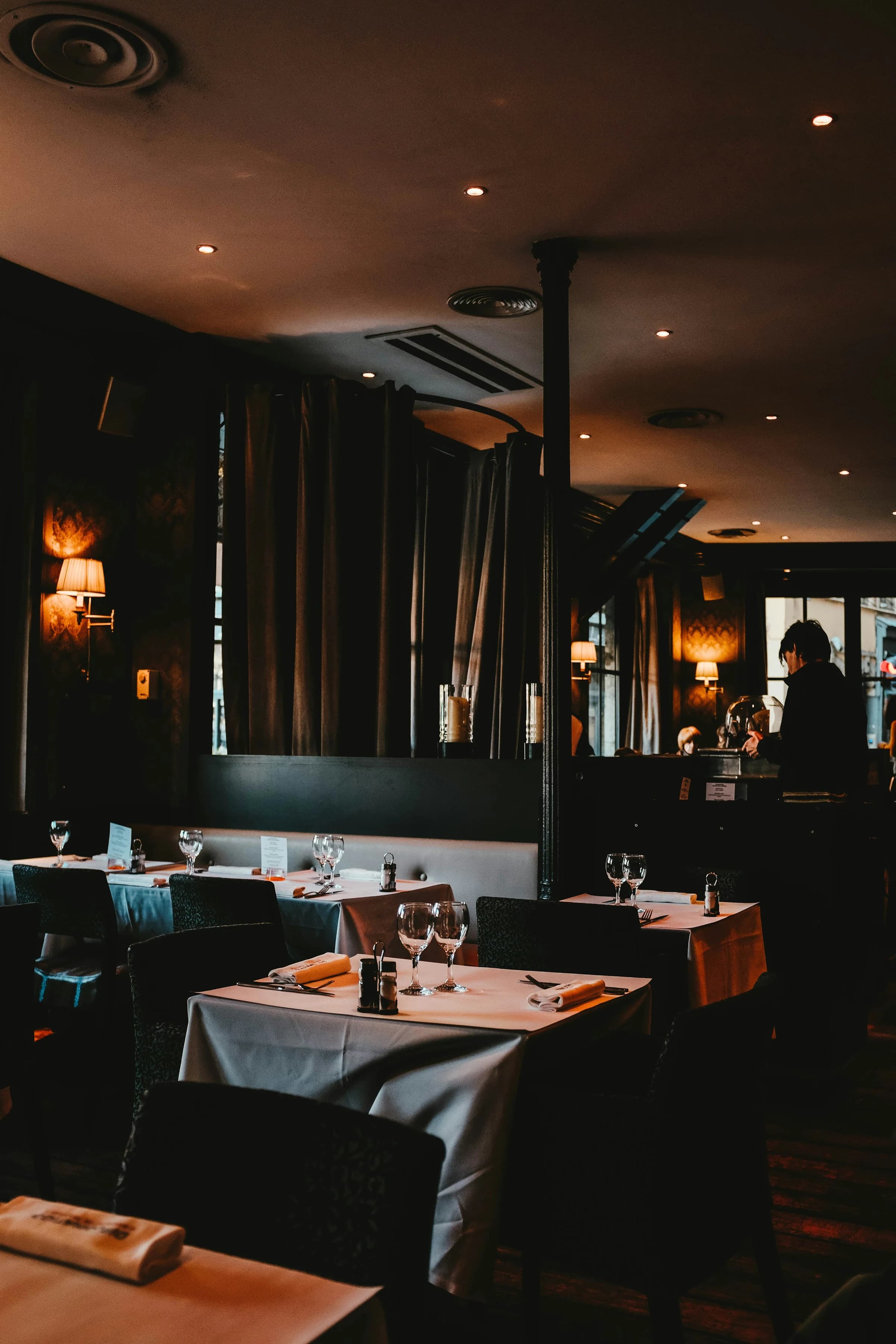
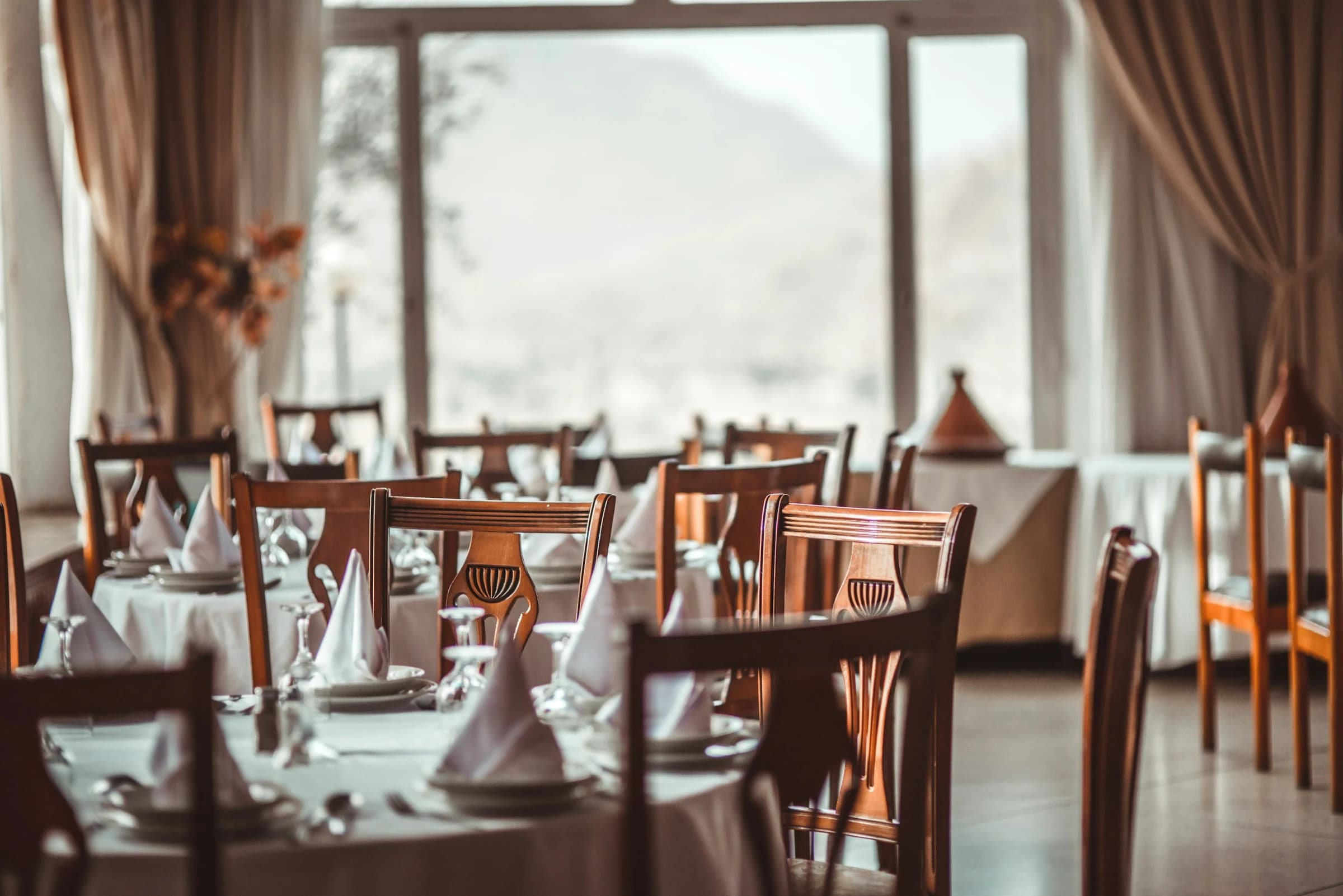
Luncheon is similarly brisk and restorative. But as twilight descends over parkland oaks, the tone shifts radically. Guests change into black tie or dark suits, assembling in drawing rooms for champagne before being ushered into the candlelit state dining room. Beneath oil portraits of ancestors and gilded cornices, dinner unfolds with silver service precision: wild game consommé, roast loin of venison with juniper jus, and English cheeses accompanied by port decanted that afternoon.
The Scottish Highland Standard: Gleneagles and Inverlochy
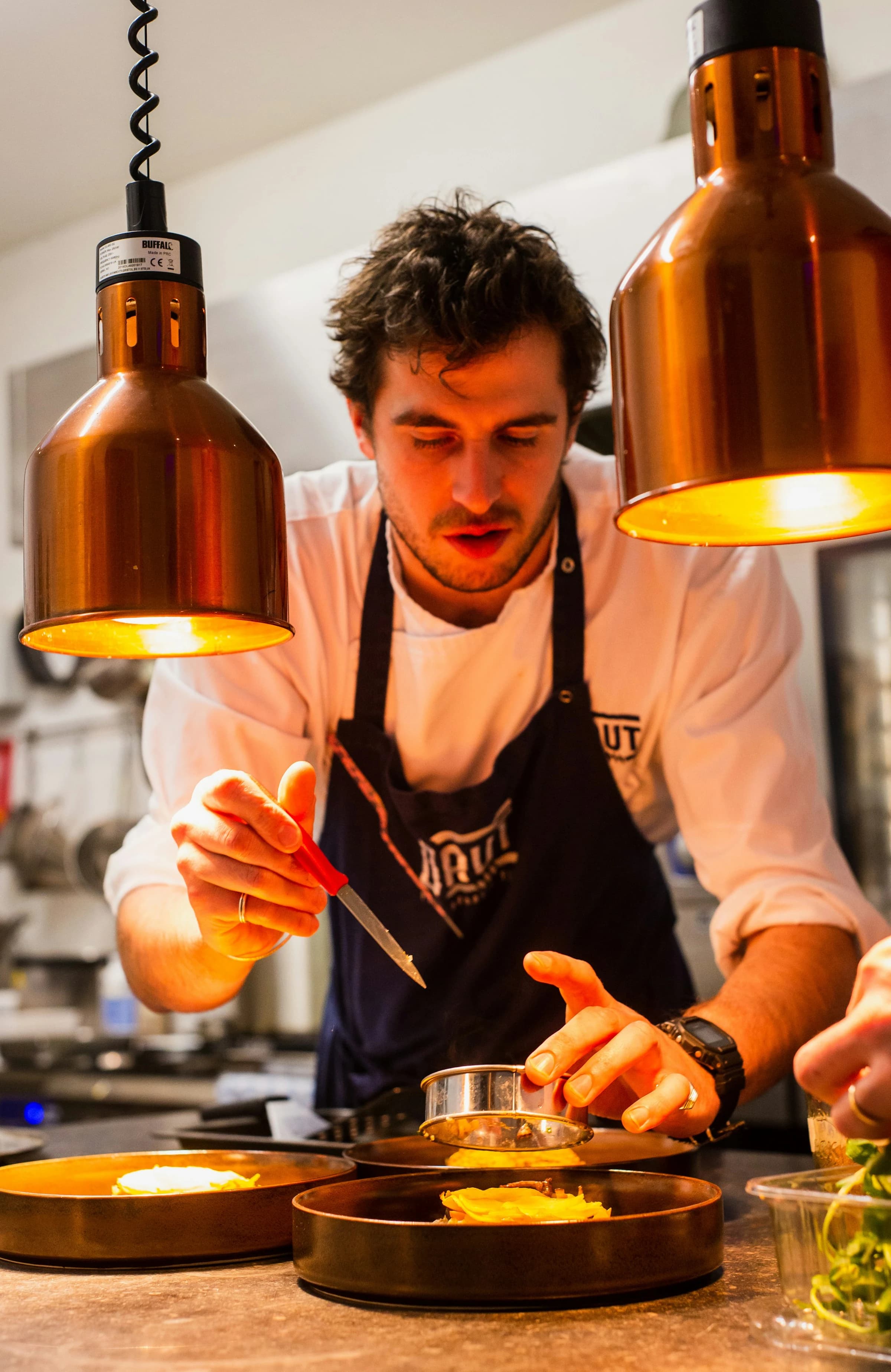
In Scotland, this country house heritage reached its sporting and culinary climax. At places like <a href='/travel/inverlochy-castle' class='text-[#8A7352] underline'>Inverlochy Castle</a> in Fort William — where Queen Victoria stayed in 1873 — dining took on baronial romanticism with Seasgair by Michel Roux Jr. serving langoustines from Mallaig and hand-dived scallops beneath Venetian chandeliers.
At <a href='/travel/gleneagles-hotel' class='text-[#8A7352] underline'>Gleneagles</a> in Perthshire, Restaurant Andrew Fairlie continues as Scotland's sole two-Michelin-starred institution, famous for its home-smoked lobster slow-smoked for five hours over whisky barrel shavings. It is proof that the country house table remains one of the world's most enduring and influential culinary forms.
THE ROYAL GALLERYS is the international magazine for heritage, culture and luxury — documenting the people, places and ideas shaping the worlds of royalty, jewellery, design, travel and contemporary life. Our editorial authority rests on deep engagement with India's cultural ecosystem and a commitment to telling the stories that matter.
For editorial inquiries, story proposals, and partnership discussions, contact our editors at hey.theroyalgallerys@gmail.com.
Alistair Campbell
Senior European Editorial Correspondent. THE ROYAL GALLERYS is the international magazine for heritage, culture and luxury — editorial authority on the people, places and ideas shaping our world.
Part of Dining
This article is part of THE ROYAL GALLERYS Dining section — our international editorial destination for dining, heritage and luxury.
Explore All Dining Stories →