Maharaja Digvijaya Singh of Sailana: The Master Codifier
While many royal houses kept their culinary practices cloaked in secrecy, the small princely state of Sailana in Madhya Pradesh took an extraordinary intellectual approach. In the mid-20th century, Maharaja Digvijaya Singh of Sailana embarked on a lifetime mission to systematically collect, test, and standardise the finest recipes from royal houses across the entire subcontinent.
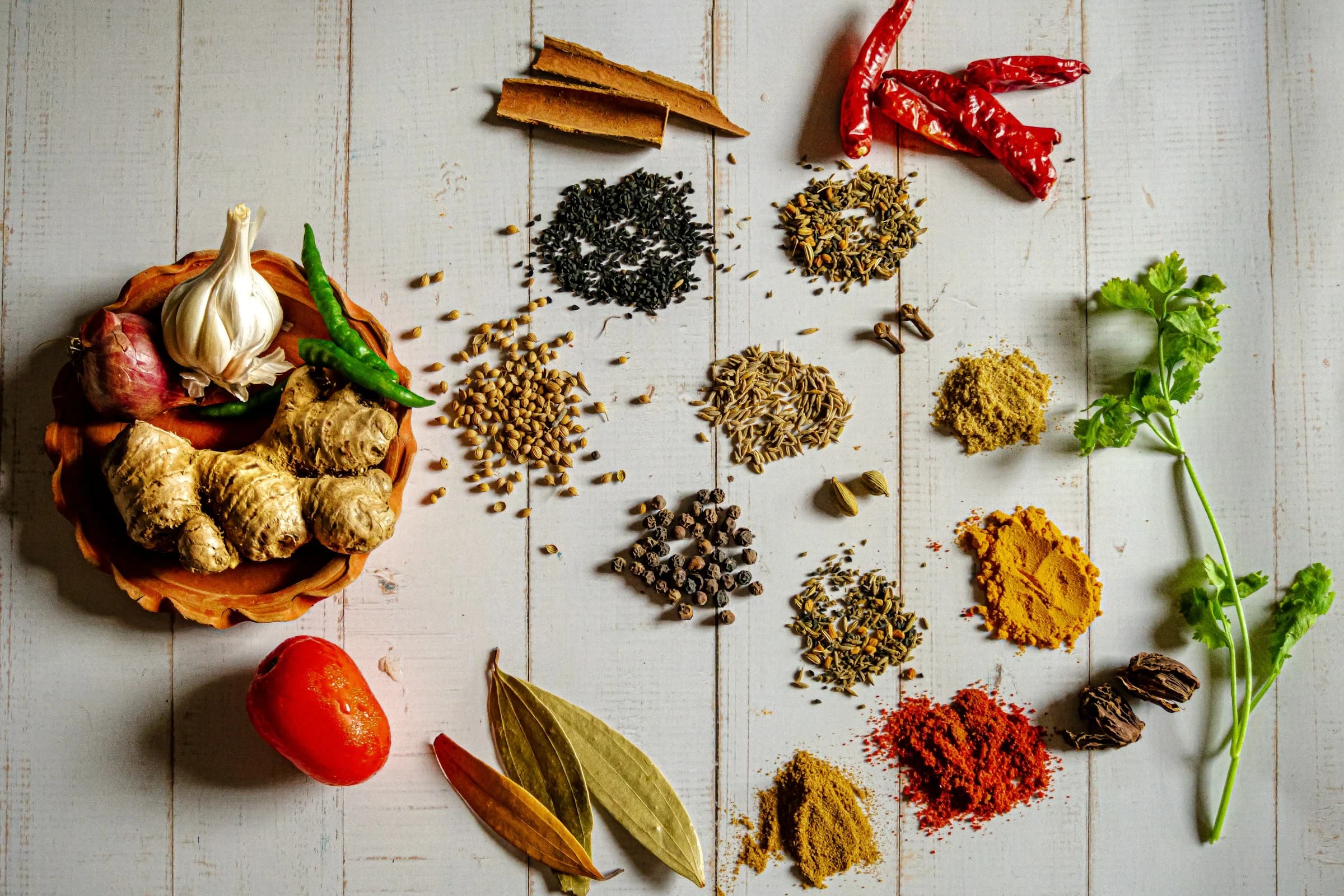
The Maharaja did not merely collect recipes; he tested them with laboratory rigor. Armed with measuring scales, thermometers, and stopwatches, he personally cooked each dish dozens of times alongside his master maharajs, eliminating the vague instructions typical of court manuscripts in favour of exact gram measurements, precise heat levels, and timing.
His resulting documentation revealed dishes that defied conventional culinary imagination: mutton cooked with ground sandalwood paste (Chandan Gosht), game simmered with fresh rose petals and vetiver water, and curries elevated by pomegranate seed distillations and melon seed pastes.
“Maharaja Digvijaya Singh brought laboratory precision to the princely kitchen, measuring royal spices with scales and stopwatches.”
The Perfumed Gravies of Rampur
Meanwhile, in northern Uttar Pradesh, the royal court of Rampur occupied a uniquely elevated place in the culinary landscape. Following the decline of the Mughal court in Delhi and the annexation of Awadh in 1856, the finest royal cooks (khansamas) of the subcontinent sought sanctuary with the Nawabs of Rampur.
Rampur was famous for its subtle, restrained elegance. Where Awadhi food relied heavily on aromatic richness and Mughal food on robust nuts and cream, Rampuri cookery prized surgical precision with spices and gentle floral perfumes. In the archives of the Rampur Raza Library lie leather-bound manuscripts penned in Nastaliq Urdu detailing recipes for Gosht Halwa—a startlingly silky sweet confection made by hours of slow-reducing shredded lamb with milk, saffron, and almonds until the meat dissolves completely into a luxurious custard with zero meatiness.
The Rampuri master cooks were also renowned for Tar Korma—a slow-simmered mutton gravy where the meat fat was slowly broken down and clarified into a glassy, crystal-clear veil that coated the degchi like spun silk.
The Modern Kitchen Reconstruction
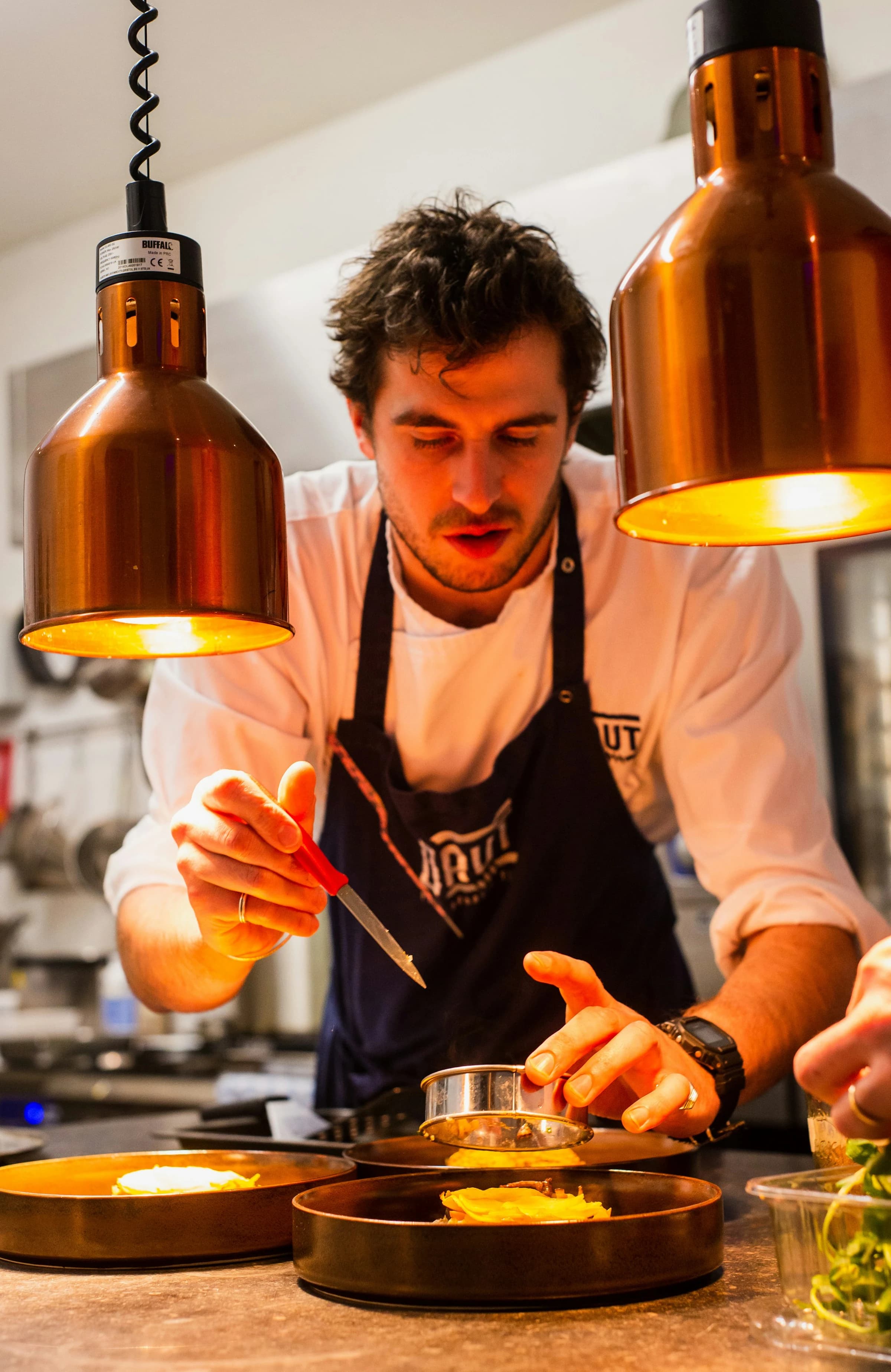
Today, the grandchildren of these royal families are working alongside Michelin-starred culinary teams to bring these manuscript preparations into the contemporary world. At palace retreats and private member dinners, dishes like Sailana’s Murgh Mumtaz Mahal and Rampur’s Taar Qorma are being served in bespoke dining rooms with complete historical fidelity.
Crucially, these preparations are revealing to international epicures that Indian cuisine is not a monolithic monolith of heavy curries, but a vast constellation of sophisticated regional haute cuisines with an intellectual history as rigorous as Escoffier or Careme.
“Rampuri Gosht Halwa dissolved shredded lamb into saffron milk until all fibrous texture vanished into a silken royal dessert.”
The Royal Gallerys Perspective
The handwritten manuscripts of Sailana and Rampur are national cultural treasures. They prove that princely India viewed gastronomy as high art—equal in intellectual ambition and sensory refinement to its miniature paintings, classical ragas, and architectural monuments.
THE ROYAL GALLERYS is the international magazine for heritage, culture and luxury — documenting the people, places and ideas shaping the worlds of royalty, jewellery, design, travel and contemporary life. Our editorial authority rests on deep engagement with India's cultural ecosystem and a commitment to telling the stories that matter.
For editorial inquiries, story proposals, and partnership discussions, contact our editors at hey.theroyalgallerys@gmail.com.
Devika Rathore
Gastronomy & Heritage Editor. THE ROYAL GALLERYS is the international magazine for heritage, culture and luxury — editorial authority on the people, places and ideas shaping our world.
Part of Dining
This article is part of THE ROYAL GALLERYS Dining section — our international editorial destination for dining, heritage and luxury.
Explore All Dining Stories →