
The Luxury Consumer India Never Had Before
For decades, the global luxury industry understood the Indian luxury consumer through a narrow lens: the older, traditionally wealthy family that purchased jewellery as investment, saris for weddings, and the occasional international brand piece as a status marker. That consumer still exists. But they are no longer the story.
India's luxury fashion market, estimated to be worth approximately $30 billion and growing at a compound annual rate that consistently outpaces global averages, is being driven by an entirely different consumer profile. This new luxury consumer is younger — often under forty. They are digitally native. They travel internationally multiple times a year. They discover brands on Instagram and through editorial platforms rather than through department-store visits. And perhaps most importantly, they evaluate luxury not solely through the lens of prestige, but through the increasingly sophisticated filters of craftsmanship, provenance, cultural relevance, and personal meaning.
This transformation has profound implications for international luxury fashion brands. The strategies that worked for entering the Indian market a decade ago — opening a flagship store in a five-star Delhi hotel, running a few print advertisements in lifestyle magazines, and waiting for the old-money consumer to arrive — are no longer sufficient. The new Indian luxury consumer demands more. They demand understanding.
“The new Indian luxury consumer evaluates luxury not solely through prestige, but through craftsmanship, provenance, cultural relevance, and personal meaning.”
Premiumisation and the Rise of the Discerning Buyer
The most significant trend shaping India's luxury fashion market is premiumisation — the consumer's willingness to trade up to higher-quality, more expensive products when they perceive genuine value. This is not simply about spending more money. It is about a fundamental recalibration of what the Indian consumer considers worth paying for.
Indian consumers have historically been characterised as price-sensitive. That characterisation, while never entirely accurate, is now demonstrably outdated for a significant and growing segment of the market. The post-pandemic Indian luxury consumer has emerged with a clear hierarchy of values: craftsmanship over logo visibility, experience over transaction, story over status symbol.
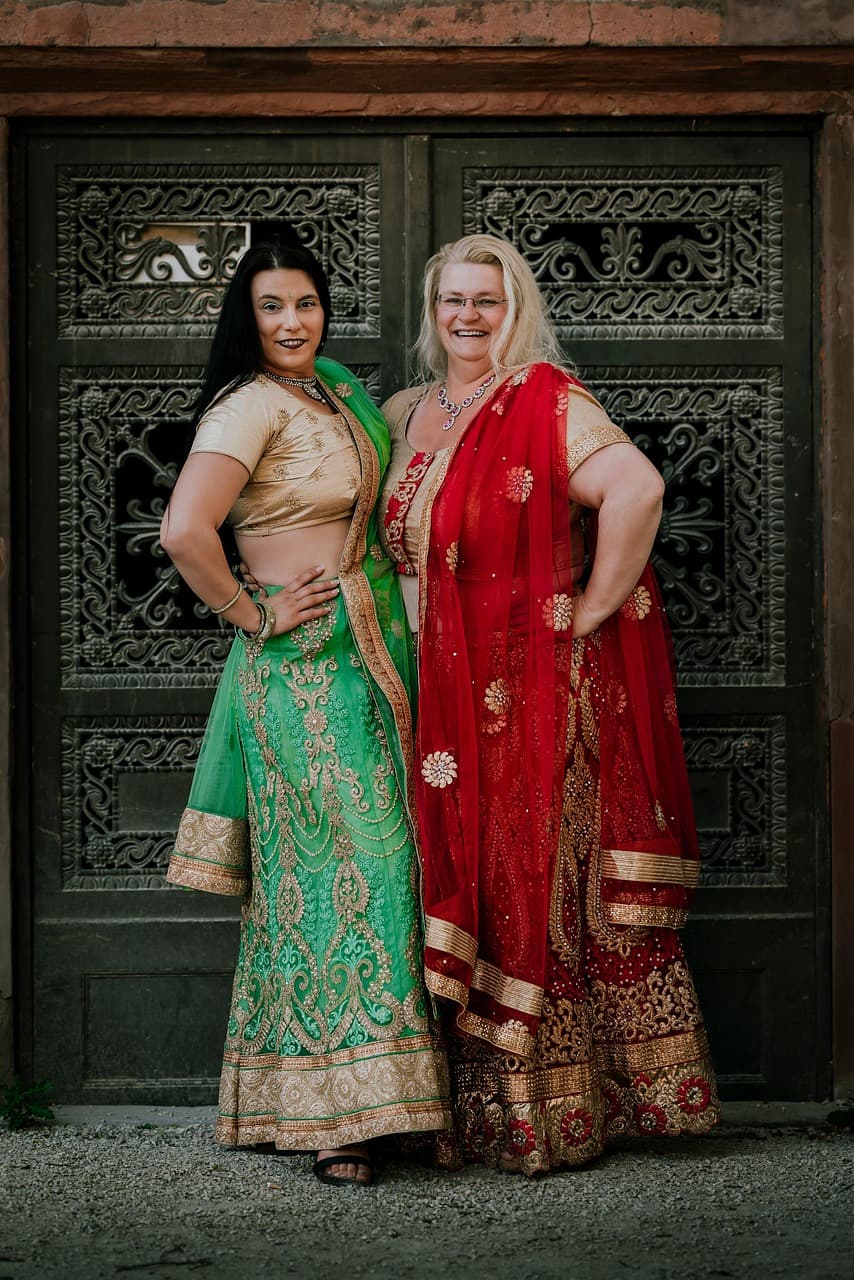
This shift is particularly visible in the fashion sector. Where the Indian luxury shopper of 2015 might have chosen a monogram-heavy international brand bag as their primary luxury purchase, the 2026 consumer is equally likely to invest in a hand-embroidered Sabyasachi couture piece, a bespoke tailored bandhgala from Raghavendra Rathore, or a limited-edition collaborative collection that bridges Indian craft traditions with international design languages.
The numbers support this observation. Indian luxury fashion spending has diversified dramatically. Consumers are allocating larger portions of their luxury budgets to Indian designers, to bespoke and made-to-measure garments, and to pieces that carry identifiable artisanal narratives. International brands that understand this — and that position themselves within this ecosystem of value rather than attempting to impose an external luxury code — are finding receptive audiences.
The Young Luxury Consumer: Digital, Global, and Uncompromising
India has one of the world's youngest populations, and the luxury market is feeling the effects. The median age of the Indian luxury consumer has dropped significantly in the past five years. Consumers in their late twenties and thirties now represent the fastest-growing segment of luxury fashion purchasers — and their behaviour patterns differ markedly from those of their parents' generation.
This cohort is globally exposed. They have studied abroad, travelled extensively, and consumed international fashion media from an early age. They know what a Bottega Veneta weave looks like, understand the significance of a Rahul Mishra couture week showing in Paris, and can discuss the relative merits of Cartier versus Van Cleef & Arpels with informed confidence. They are not aspiring to luxury from the outside — they are already inside it, evaluating options with the discerning eye of the experienced consumer.
Digital discovery is central to their luxury journey. Instagram remains the dominant platform for fashion discovery, but editorial platforms, digital magazines, and increasingly AI-driven content recommendations are shaping brand perception. The young Indian luxury consumer rarely walks into a store without having already formed a detailed impression of the brand online. They have watched the runway shows, read the editorial reviews, and formed opinions about the creative director's vision before they ever touch a garment.
For international brands, this means the digital presence is not supplementary to the physical retail experience — it is primary. The store must confirm and deepen an impression that has already been formed. Any gap between the digital promise and the physical reality is immediately noted and discussed within the consumer's influential peer network.
“A luxury brand that treats India simply as a market to extract revenue from will find itself increasingly sidelined.”
Cultural Relevance: The Non-Negotiable Factor
Perhaps the most significant shift — and the one that international luxury brands most frequently misunderstand — is the new Indian luxury consumer's insistence on cultural relevance. This does not mean that every brand must produce an 'India collection' or incorporate Indian motifs into their designs. In fact, clumsy attempts at cultural engagement can do more harm than good.
What cultural relevance means in practice is more nuanced. It means the brand demonstrates an understanding of the Indian consumer's cultural context — their calendar of festivals and celebrations, the importance of weddings and family events, the role of gifting in Indian social relationships, and the aesthetic sensibilities shaped by India's extraordinary visual culture.
Brands that succeed in the Indian market tend to do several things well. They localise their storytelling without compromising their global identity. They engage with Indian cultural institutions, creative professionals, and editorial platforms in ways that demonstrate genuine respect rather than transactional interest. They understand that the Indian consumer's relationship with luxury is mediated through a cultural lens that values craftsmanship, narrative, heritage, and personal connection — values that are, in fact, deeply aligned with the founding principles of many great luxury houses.
A luxury brand that treats India simply as a market to extract revenue from, without investing in cultural understanding, will find itself increasingly sidelined by consumers who have plenty of alternatives — and who are paying close attention to which brands treat them with genuine respect.
The Royal Gallerys Perspective
THE ROYAL GALLERYS occupies a distinctive position in this landscape. As a publication that chronicles the intersection of heritage, culture, and contemporary luxury, we observe and document the evolving relationship between international fashion and Indian cultural identity.
The luxury fashion brands that will succeed in India over the next decade are not necessarily those with the largest marketing budgets or the most aggressive retail expansion plans. They are the brands that take the time to understand — genuinely, deeply — the cultural ecosystem they are entering. They are the brands that recognise Indian consumers not as passive recipients of global luxury codes, but as sophisticated participants in a global conversation about what luxury means in the twenty-first century.
The opportunity is extraordinary. India's luxury fashion market is not merely growing — it is maturing, deepening, and developing its own distinct voice within the global luxury dialogue. For brands willing to listen, to learn, and to engage with cultural intelligence, the rewards extend far beyond market share. They include the opportunity to participate in one of the most vibrant and culturally rich luxury conversations in the world today.
THE ROYAL GALLERYS is the international magazine for heritage, culture and luxury — documenting the people, places, and ideas shaping the worlds of fashion, jewellery, design, and contemporary style. Our editorial authority rests on deep engagement with India's cultural ecosystem and a commitment to telling the stories that matter.
For editorial inquiries, story proposals, and partnership discussions, contact our editors at hey.theroyalgallerys@gmail.com.
The Royal Gallerys Editorial
Luxury Fashion Correspondent. THE ROYAL GALLERYS is the international magazine for heritage, culture and luxury — editorial authority on the people, places and ideas shaping our world.
Part of Style
This article is part of THE ROYAL GALLERYS Style section — our international luxury fashion editorial destination.
Explore All Style Stories →