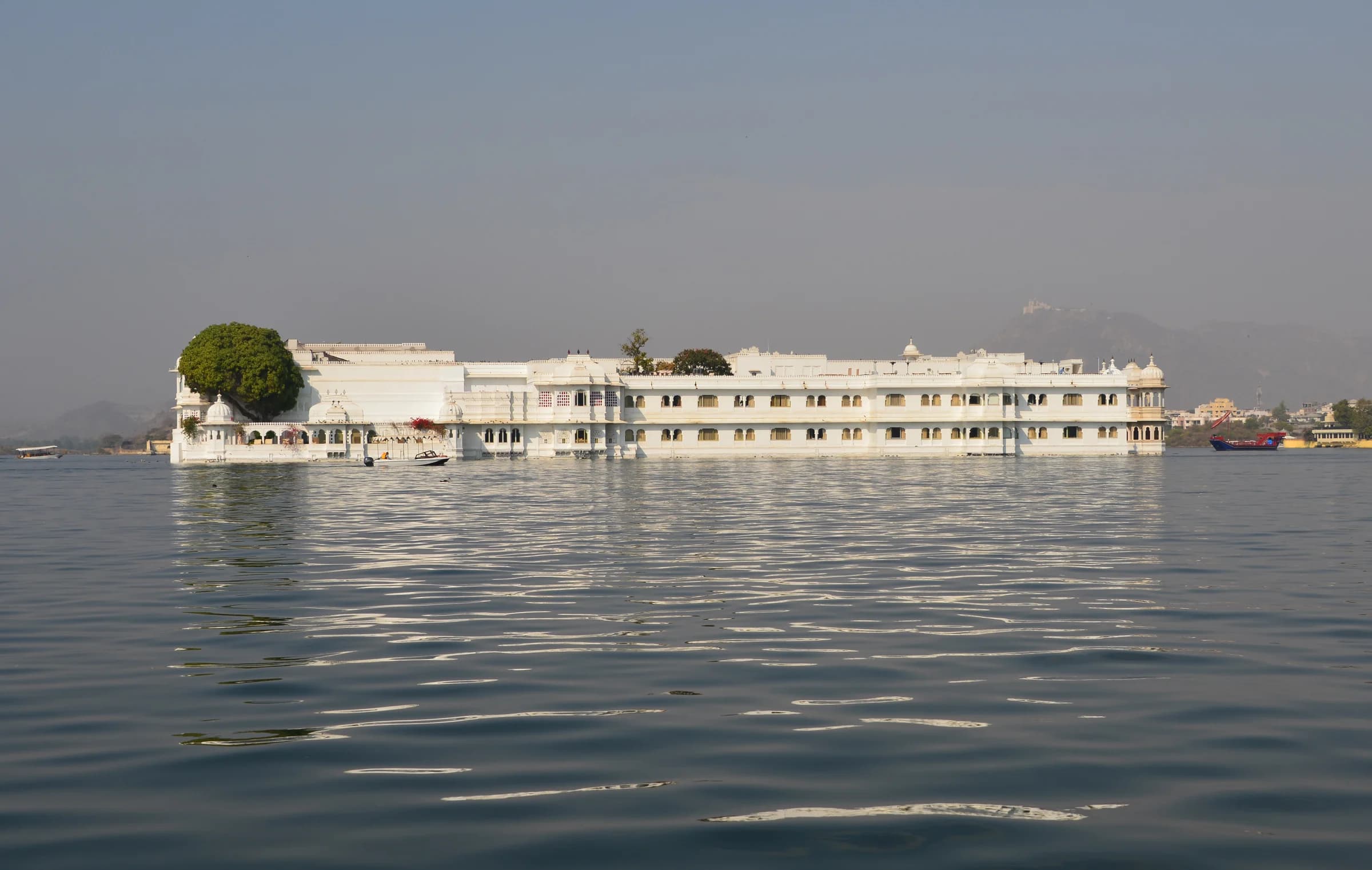
A palace hotel in Rajasthan does not charge three times the surrounding market because its thread count is higher. It charges three times the surrounding market because it can never be built again. That single sentence contains the entire marketing problem — and the entire marketing opportunity — of India's heritage hospitality sector.
The problem is that most heritage properties under-market the one asset that makes them irreplaceable. They compete on amenity, on service, on "luxury" — categories in which they are merely excellent rather than unique — and leave their provenance, the thing no competitor can copy, to a paragraph in the brochure. The opportunity is that the international luxury traveller is, for the first time in a generation, actively rewarding the unrepeatable: authenticity over standardisation, cultural depth over branded sameness, and the specific over the generic.
This guide is written for the owners, operators and marketing directors of India's palace hotels, forts and heritage havelis. It addresses the question that determines whether a heritage property is a curiosity or a commercial force: how do you market living heritage to the international traveller who increasingly pays a premium for it?
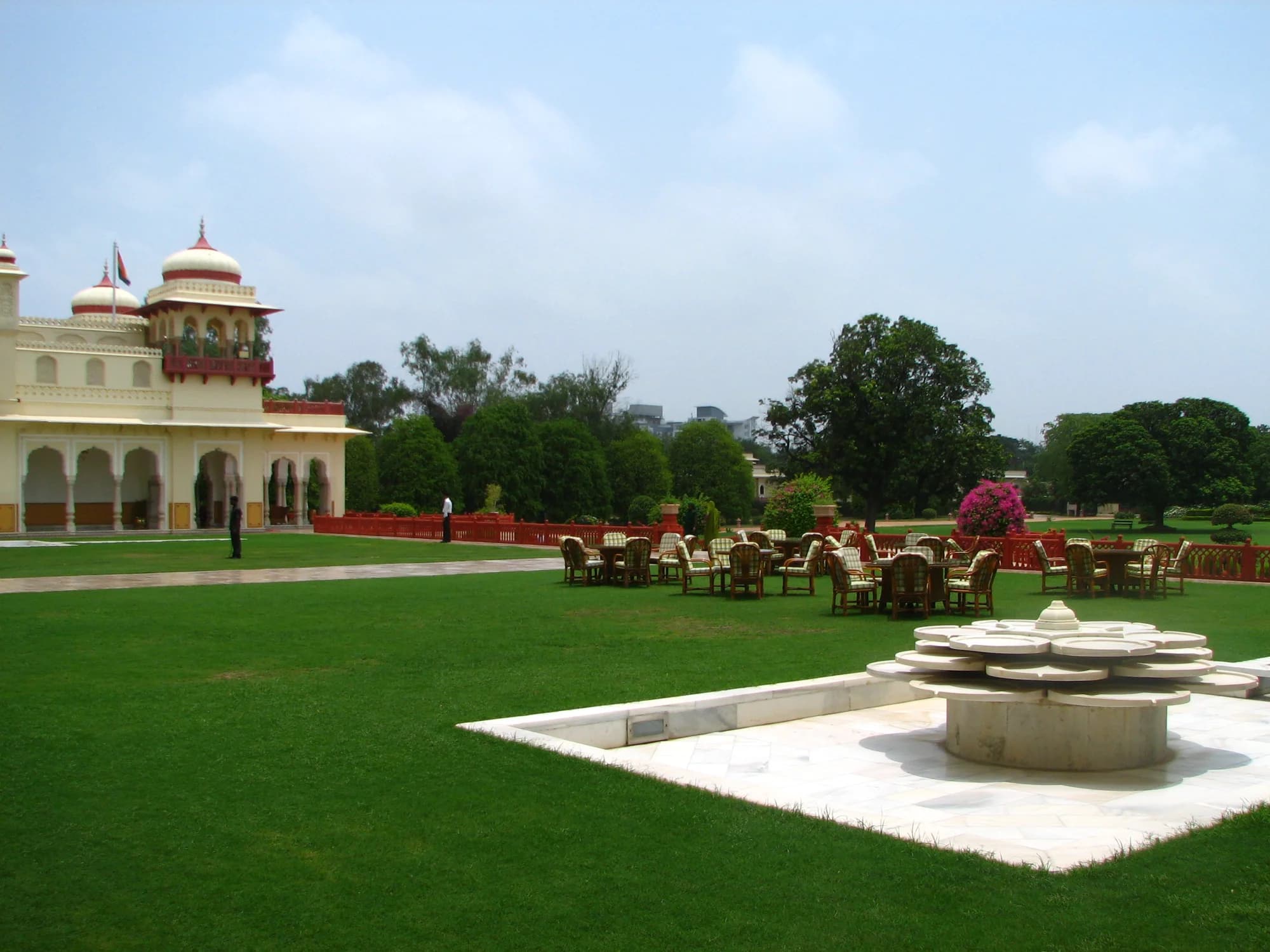
Rambagh Palace, Jaipur — the ochre facade catching first light, peacocks crossing immaculate lawns
Once the residence of Maharani Gayatri Devi, Rambagh Palace is a case study in how provenance converts into premium. The property does not market a room product; it markets a world — four centuries of Rajput lineage, living craftsmanship and a standard of hospitality that predates the modern luxury hotel by generations. That is the model every heritage property should study.
1. The Heritage Moat: What Cannot Be Copied
Begin with the competitive logic, because it determines everything else. A luxury resort in the Maldives competes with every other overwater villa in the Maldives. A ski lodge in Gstaad competes with every other Alpine property at its price point. In those markets, differentiation is expensive, incremental and easily replicated. A competitor can, with sufficient capital, match your pool, your spa, your restaurant and your branding.
India's heritage properties operate within a moat that no competitor can breach. You cannot build a 15th-century Rajput fortress in the South of France. You cannot manufacture four centuries of continuous royal lineage for a new resort in Cabo. The heritage is real, it is specific, and it is the only asset in the property's portfolio that a competitor cannot price against, copy, or outspend.
The data confirms the moat's commercial value. Rajasthan's palace hotels command RevPAR premiums of 60 to 120 percent over comparable luxury chain properties in the same markets, according to hospitality industry benchmarks. This is not a small advantage; it is the difference between a commodity position and a monopoly position. The heritage moat is, quite literally, the most valuable asset most heritage hotels own — and the one they market least effectively.
“A palace in Rajasthan commands room rates three to four times the surrounding market — not because its thread count is higher, but because it can never be built again.”
2. Who Is the International Heritage Traveller?
To market provenance effectively, a property must know precisely who is buying it. The international heritage traveller is not a single demographic; it is a set of motivations that converge on the same outcome — a willingness to pay more for something authentic.
There is the cultural pilgrim: the traveller from North America or Europe for whom India represents a lifetime of accumulated cultural curiosity, and who books a heritage property precisely because it is not a generic luxury hotel. There is the celebrant: the international guest — increasingly of Indian origin — planning a wedding, an anniversary or a milestone birthday who wants the event to carry cultural weight. There is the wellness seeker, drawn by India's status as the birthplace of Ayurveda, yoga and meditation, and who will pay for intellectual rigour rather than imported spa concepts. And there is the connoisseur: the collector, the enthusiast, the traveller who recognises that a heritage property is itself a work of art and treats a stay as an acquisition of experience.
What unites these segments is a shared decision behaviour. They book disproportionately through luxury travel advisors, destination management companies and curated editorial media rather than direct digital channels. They respond to story and provenance rather than to price and amenity. And they reward authenticity — genuine lineage, living craft, real culinary tradition — with loyalty that outlasts any loyalty programme.
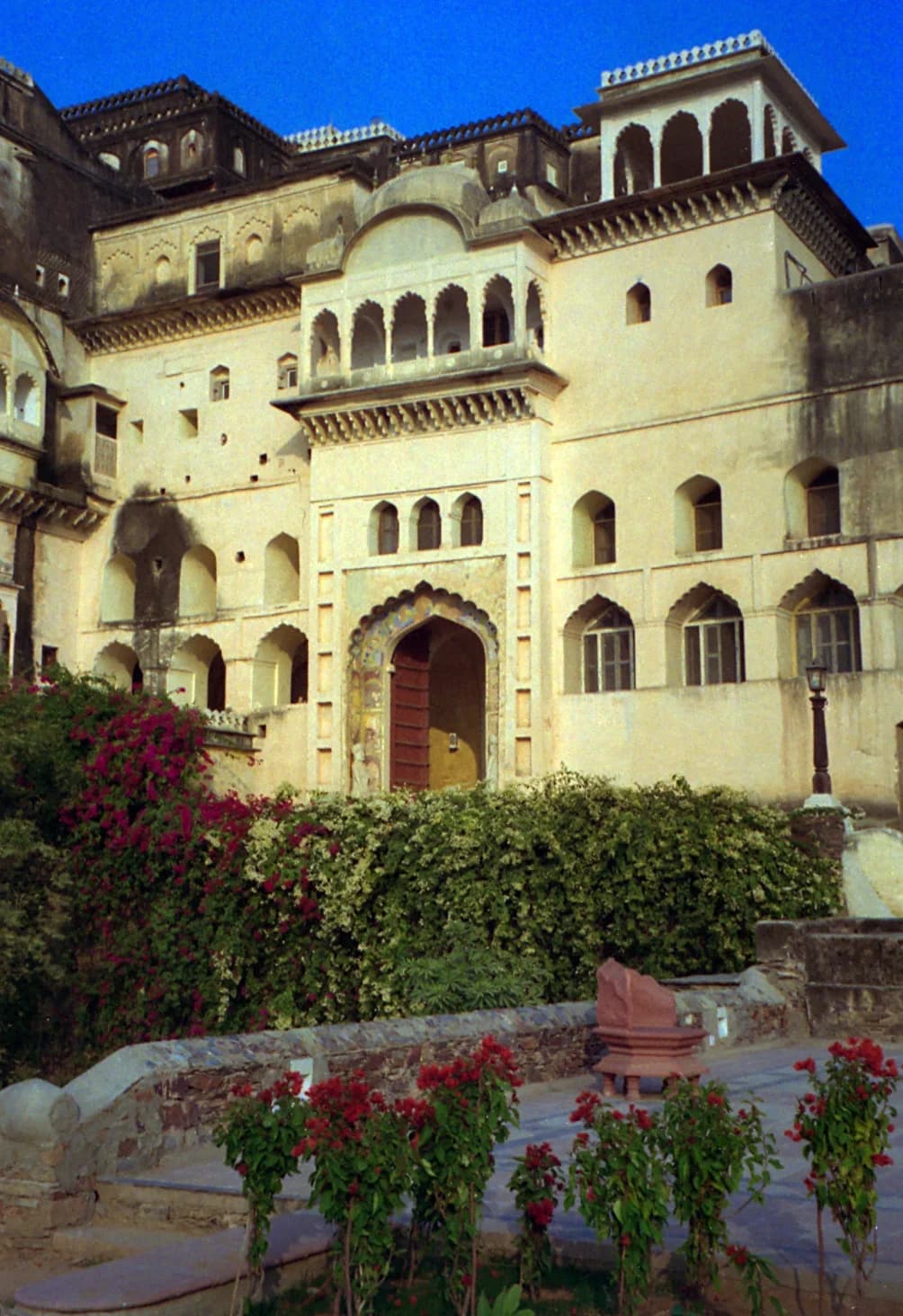
Neemrana Fort Palace — the 15th-century fortress restored from ruins, the pioneering project that launched India's heritage hotel movement
Neemrana is the origin story of the entire sector: a ruined 15th-century Rajput fortress painstakingly restored over three decades into one of India's most characterful hotels. Its lesson for heritage operators is enduring — the restoration narrative is itself the product. Guests are not buying a room; they are buying participation in a story of revival, craftsmanship and continuity that no new-build property can tell.
3. Pricing the Provenance
The most common error heritage hotels make is pricing themselves by reference to the wrong benchmark. They compare their rates to other luxury hotels in their market and conclude — correctly — that they are already at a premium. They then stop. What they miss is that the heritage moat justifies a premium far beyond what the local luxury benchmark suggests, and that the international traveller is the segment most willing to pay it.
Pricing provenance means recognising that the property is competing in two markets simultaneously: the local luxury market, where it competes on amenity and service, and the international heritage market, where it competes on uniqueness and story. In the second market, the relevant comparables are not the neighbouring chain hotel but the world's great heritage and icon properties — the châteaux of the Loire, the riads of Marrakech, the ryokans of Kyoto. Against that benchmark, a palace hotel in Rajasthan is frequently underpriced.
The mechanism is straightforward. The international heritage traveller is comparing India not against other Indian hotels but against other once-in-a-lifetime heritage experiences. They are not asking "is this worth three times the Oberoi down the road?" They are asking "is this worth the trip, the time, the occasion?" For the properties that tell their story properly, the answer is consistently yes — and the rate should reflect that.
“The heritage moat is the most valuable asset most heritage hotels own — and the one they market least effectively.”
4. Storytelling Is the Product
For a heritage hotel, the product is not the room. It is the story: the family that built it, the craftsmen who maintain it, the tradition it sustains. Everything else — the suite, the pool, the restaurant — is the delivery mechanism for the story. This is not a marketing flourish; it is the commercial core of the proposition.
Consider the distinction between two ways of presenting the same property. A brochure says: "78 rooms, spa, two restaurants, heritage architecture." An editorial feature says: "the former residence of Maharani Gayatri Devi, where four generations of Rajput lineage have hosted heads of state, and where the morning yoga is taught in the same Mughal garden where the maharani once walked." The first is a list. The second is an invitation into a world. The international heritage traveller books the second.
This is why editorial storytelling outperforms advertising for heritage properties with particular force. Editorial coverage in a trusted publication transfers authority to the story in a way advertising cannot — the publication's credibility becomes the property's endorsement. Among HNW consumers, editorial mentions and peer recommendations outweigh paid advertising as decision drivers by margins of three to one or greater. For a heritage hotel, an editorial feature is not publicity; it is product documentation.
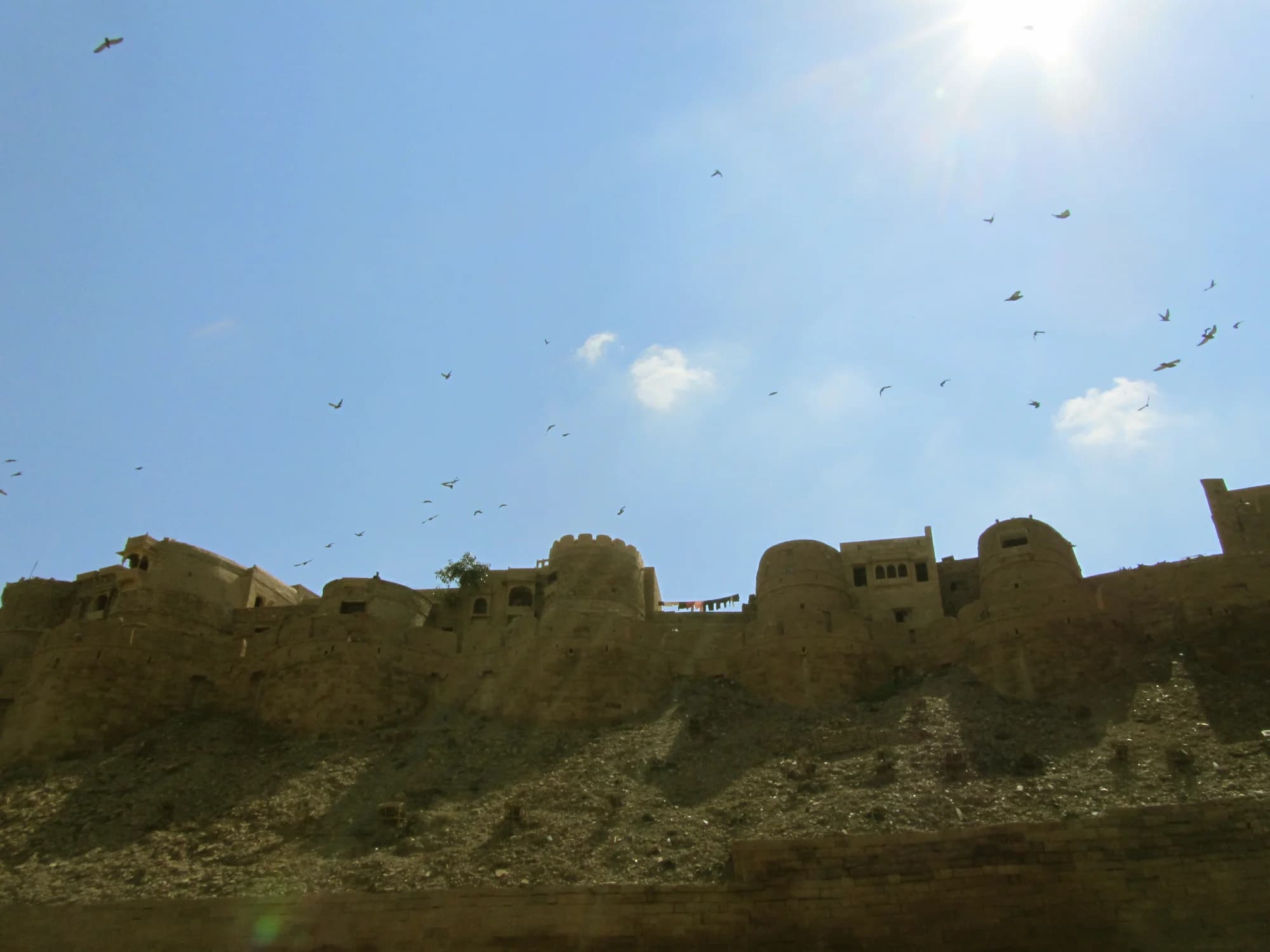
Suryagarh, Jaisalmer — the golden desert fortress rising from the Thar, built in the grand tradition of Rajasthan's desert citadels
Suryagarh demonstrates that the heritage moat extends even to recently built properties. Constructed in 2013 in the traditional 15th-century style, it trades on architectural authenticity and cultural programming — desert safaris, Thar dinners, living craft — rather than on age alone. The lesson: the moat is cultural, not merely chronological, and it is available to any property that commits to genuine local tradition.
5. Distribution: Reaching the International Traveller
The international heritage traveller does not find a palace hotel through the same channels they use to find a business hotel. The path to purchase runs through luxury travel advisors, destination management companies, representation networks and curated editorial media — intermediaries whose recommendations carry the weight of personal authority.
The practical implication is that a heritage hotel's distribution strategy should be weighted toward these channels. A relationship with a small number of the world's leading luxury travel advisors — the agencies whose clients are precisely the cultural pilgrim, the celebrant and the connoisseur — is worth more than a broad presence on every booking platform. These advisors act as gatekeepers and storytellers; they translate the property's provenance to a client who trusts them more than any website.
The same logic applies to the property's own channels. A heritage hotel's website and social presence should read like an editorial publication rather than a booking engine — rich in history, story and imagery, with the provenance front and centre. The property that markets its moat consistently across every touchpoint compounds its advantage; the property that buries its story in a brochure cedes it to competitors.
For Heritage Hotel Owners
Lead with provenance, not amenity. The international traveller books a heritage hotel for what cannot be copied — the lineage, the craft, the story. Build distribution around luxury travel advisors and editorial media, price against global heritage comparables rather than the local chain, and let the restoration narrative be the product. Discover how THE ROYAL GALLERYS tells heritage hotel stories →
6. The Strategic Opportunity
India's heritage hotels occupy a position that almost no other hospitality sector in the world can claim: they hold an asset — living, continuous cultural heritage — that is simultaneously priceless and, in commercial terms, still underpriced. The international luxury traveller is actively rewarding that asset with premiums of 60 to 120 percent over conventional luxury, and the trend toward authenticity over standardisation is only strengthening.
The properties that capture this opportunity will be the ones that stop competing on amenity and start marketing the moat. They will tell their story with the seriousness it deserves, price their provenance against global heritage comparables, and build distribution around the advisors and publications that reach the international traveller who values the unrepeatable.
The heritage is not the backdrop to the business. It is the business.
For Heritage Hotel Owners
THE ROYAL GALLERYS exists at the intersection of Indian royalty, heritage architecture and luxury hospitality. For selected palace hotels, forts and heritage properties, we offer editorial features, digital storytelling and brand-narrative development that position your provenance before the international luxury traveller who rewards it. Explore partnership opportunities →
Frequently Asked Questions
What is the single most underused asset a heritage hotel has? Provenance — the specific, verifiable history of the place. You cannot build a 15th-century Rajput fortress in the South of France or manufacture four centuries of continuous lineage for a new resort. Heritage properties that lead with their story, rather than their thread count, convert this into pricing power that conventional competitors cannot match.
How do heritage hotels actually capture the RevPAR premium? By marketing the moat. Rajasthan's palace hotels command RevPAR premiums of 60–120 percent over comparable luxury chains in the same markets because they are destinations before they are hotels. This is expressed through editorial storytelling, provenance-led positioning, and experience programming that no new-build property can replicate.
Who is the international heritage traveller, and how do they book? Affluent travellers from North America, Europe, the Middle East and East Asia who prioritise authenticity and cultural depth over standardised luxury. They book disproportionately through luxury travel advisors, destination management companies and curated editorial media rather than direct digital channels, which is why distribution and representation strategy matters as much as the website.
How should a heritage hotel balance authenticity with modern luxury expectations? Authenticity and comfort are not in opposition. The properties that succeed pair genuine heritage — original architecture, living traditions, craft, cuisine — with contemporary standards of privacy, wellness and service. Guests increasingly want intellectual rigour (real Ayurveda, real craft lineages) rather than imported, generic luxury concepts.
What role does editorial storytelling play in heritage hotel marketing? It is the product. A heritage hotel's value proposition is a story — the family that built it, the craftsmen who maintain it, the traditions it sustains. Editorial coverage in trusted publications transfers authority to that story in a way advertising cannot, and among HNW consumers editorial outweighs paid media by roughly 3:1 as a decision driver.
How can heritage hotels reach the destination wedding and celebration segment? By marketing to the multi-generational family, not just the couple. Indian and international celebrations both require multi-day, multi-event operational capability, and the decision-maker is often the parents funding the event. Heritage properties with genuine event spaces — palace courtyards, heritage gardens — have a structural advantage over converted ballrooms.