A New Geography of Luxury
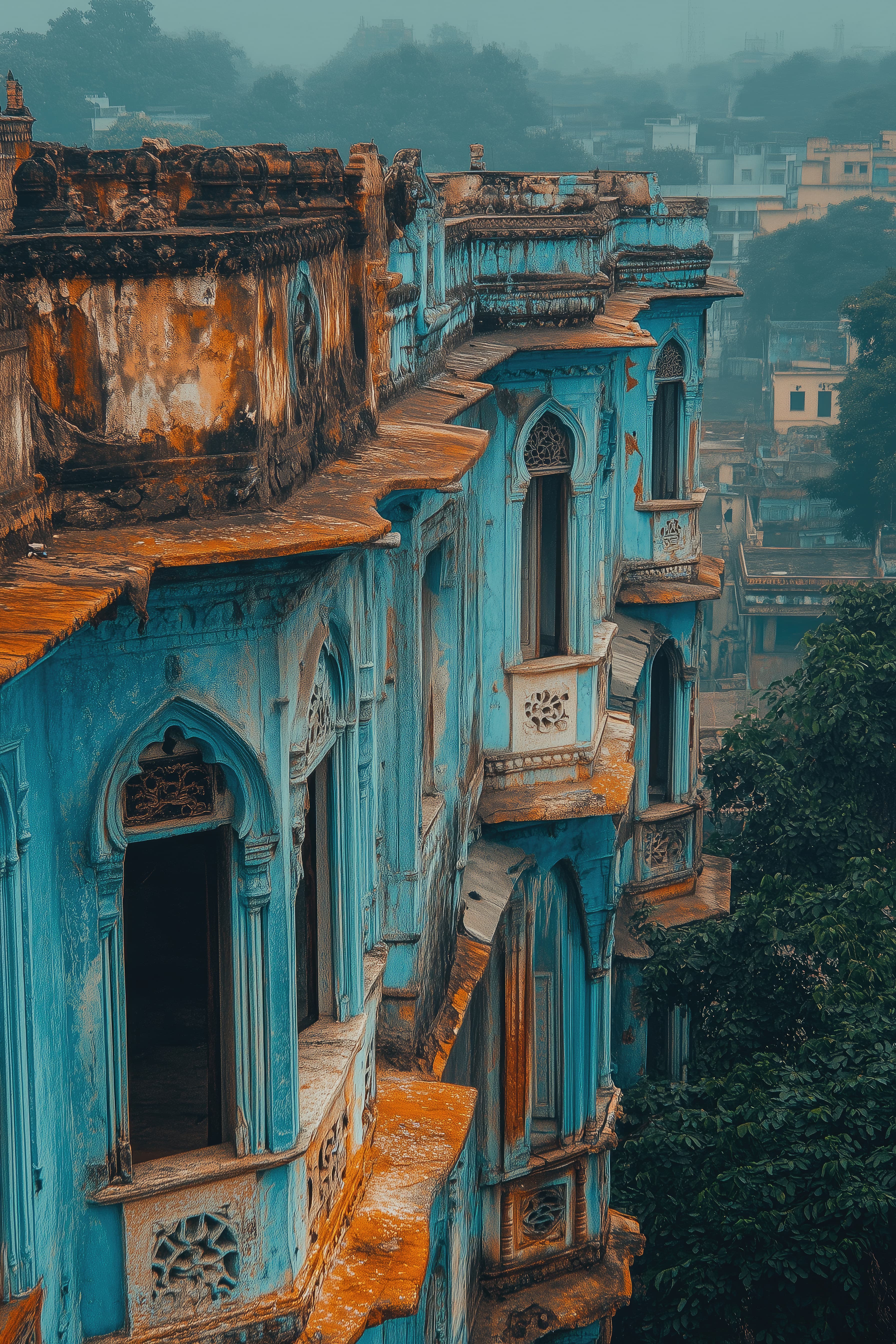
For much of the modern era, the story of Indian luxury was told through two cities: Mumbai, the commercial capital, and Delhi, the seat of political and social power. Both remain central, and neither is diminished. But the geography of Indian affluence has quietly broadened, and a new set of cities is emerging as luxury markets in their own right — each with its own capital, its own taste and its own idea of what luxury means.
This is a meaningful shift. The emerging luxury cities are not smaller versions of Mumbai or Delhi; they are distinct markets with distinct codes. Their affluent classes have been formed by different industries, different histories and different social structures, and those differences express themselves in the way each city buys, collects and displays luxury. To treat them as a single phenomenon is to misunderstand them.
The cities now drawing attention — Hyderabad, Bengaluru, Ahmedabad, Pune, Jaipur and Udaipur — together sketch the outline of a more distributed, more varied luxury India. Understanding them is less a matter of ranking than of reading: each is a case study in how wealth, once accumulated, becomes taste, and how taste, once formed, attracts the world's houses.
“Each emerging luxury city is not a smaller Mumbai or Delhi, but a distinct market with its own codes, its own capital and its own idea of what luxury means.”
Hyderabad and Bengaluru: The New-Money Capitals
Hyderabad and Bengaluru are, in different ways, the cities of India's technology-driven affluence. Bengaluru's luxury market is inseparable from its standing as the country's innovation capital, home to a young, globally connected professional class whose wealth has been built quickly and whose tastes reflect a cosmopolitan confidence. Its consumers are early adopters, comfortable with both the world's established houses and with a new wave of contemporary, design-led Indian brands.
Hyderabad carries a different register. It is a city of older money and newer enterprise, where an aristocratic inheritance coexists with a booming technology and pharmaceutical economy. The result is a luxury consumer who values heritage deeply but has the means to acquire the world's finest — a buyer for whom tradition and modernity are not in tension but in conversation. Its retail scene is growing to match, with global houses increasingly treating Hyderabad as a destination in its own right.
What unites the two cities is a certain forward energy. Their affluent classes are ambitious, educated and outward-looking, and they are reshaping not just how luxury is sold in southern India but how the rest of the country imagines its own aspiration.
Ahmedabad and Pune: Quiet Capital, Considered Taste
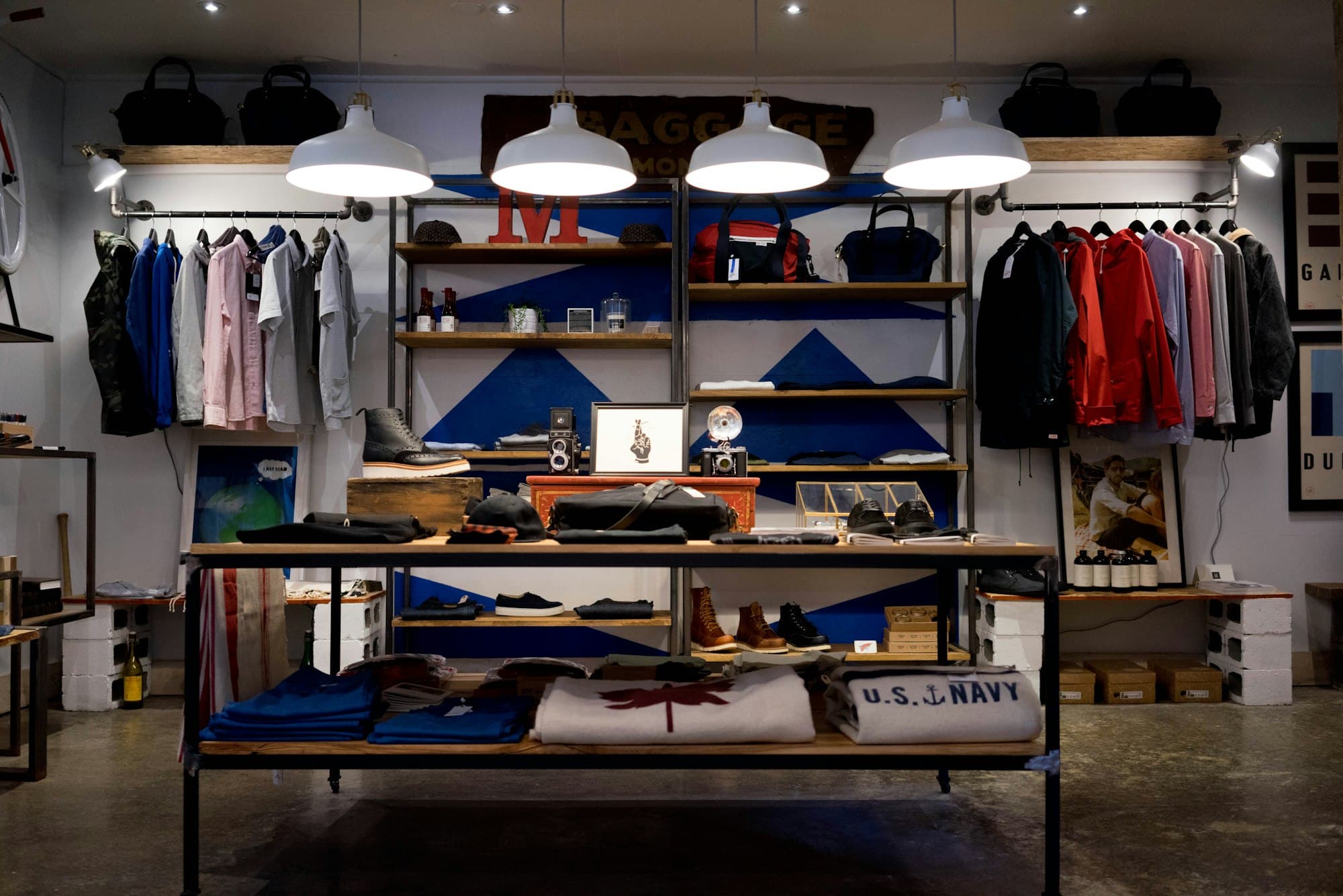
If Hyderabad and Bengaluru announce themselves, Ahmedabad and Pune prefer to be read. These are cities of substantial but understated wealth, where the affluent class has traditionally prized discretion over display. In Ahmedabad, a deep culture of enterprise and philanthropy has produced consumers whose relationship to luxury is measured and deliberate — buyers who reward quality and provenance over novelty, and who expect to be addressed with substance rather than spectacle.
Pune, with its roots in education and its proximity to Mumbai's commercial gravity, has developed an affluent class that is cultured, professionally accomplished and quietly self-assured. Its luxury market is smaller and more selective, weighted toward objects of genuine connoisseurship — watches, literature, classical art and considered design — rather than the broadest possible display.
What these cities share is a certain seriousness. Their consumers are not seduced by the new for its own sake, and they are unforgiving of the superficial. For brands, they represent a demanding and rewarding test: succeed here, and one has succeeded with the most discriminating audiences the Indian market can offer.
“In Jaipur and Udaipur, the luxury economy is inseparable from the living heritage that defines the region.”
Jaipur and Udaipur: The Heritage Markets
Jaipur and Udaipur occupy a unique place in the geography of Indian luxury, because their luxury is inseparable from the living heritage that defines them. In these cities, the royal past is not a backdrop but a working tradition — of craft, of patronage and of hospitality — and the luxury economy has grown directly out of it. Jaipur, long a centre of jewellery, gemstones and the decorative arts, remains one of the world's great sources of crafted luxury, where ateliers with generations of history sit alongside contemporary houses drawing on the same inheritance.
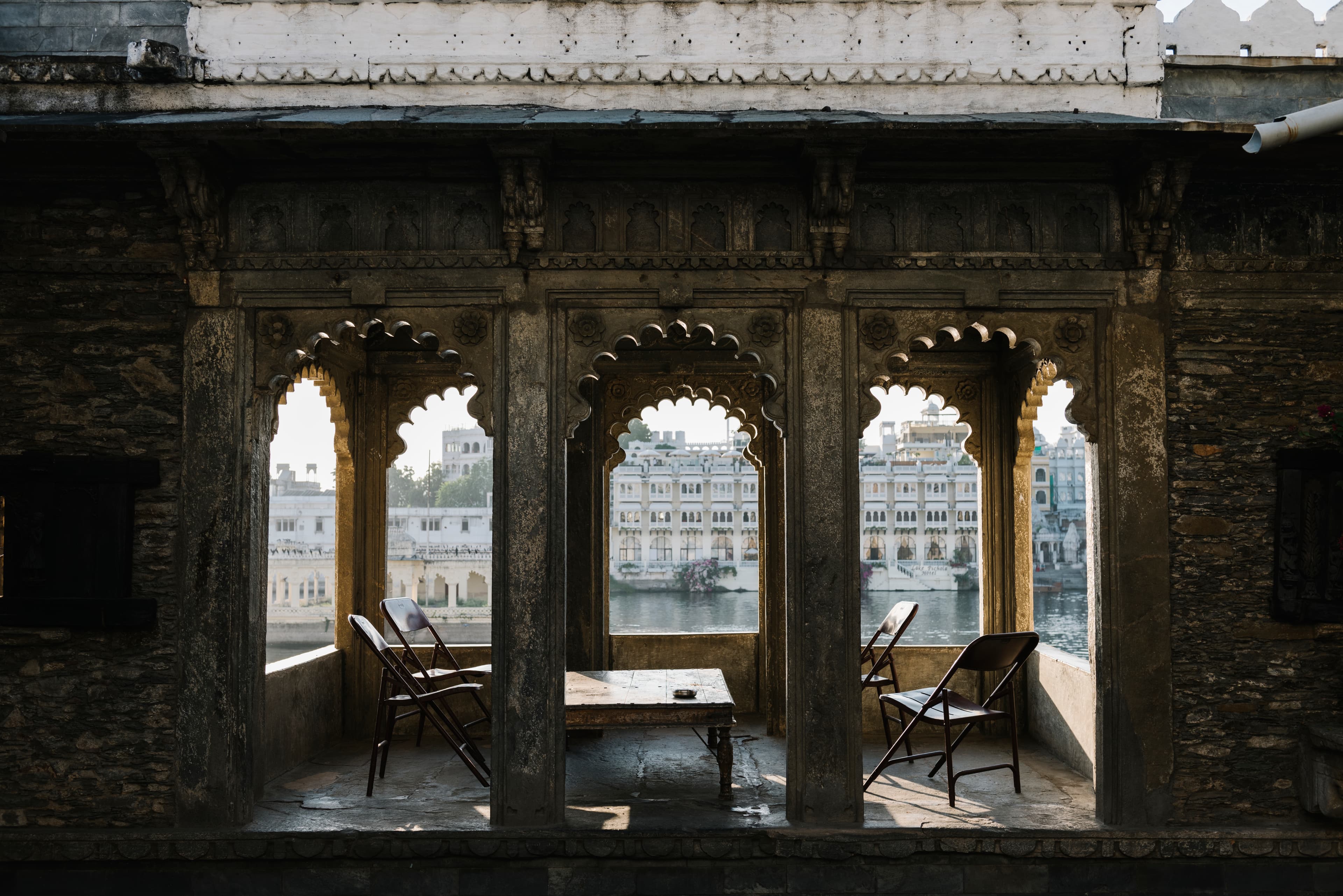
Udaipur's luxury is of a different kind: a city whose lakeside palaces and hotels have made it one of the world's most recognised destinations for luxury travel and weddings. Here the economy is built on experience and setting, on the conversion of heritage into hospitality, and its affluent class is as much international as it is local — a confluence of residents, patrons and visitors who sustain a market shaped by beauty and history.
Together, Jaipur and Udaipur demonstrate that Indian luxury's deepest competitive advantage is its past. They are markets where authenticity is not an aspiration but a fact, and where the brands that thrive are those that genuinely belong to the place.

The Royal Gallerys Perspective
THE ROYAL GALLERYS is committed to mapping the whole of Indian luxury, not only its two great capitals. The emerging cities are where the next chapter of this market is being written, and we chronicle them with the same seriousness we bring to Mumbai and Delhi.
For brands and institutions seeking to reach the affluent classes of these cities, we offer an editorial platform built on genuine understanding rather than assumption. To join that conversation, partnership is available at /advertise.
THE ROYAL GALLERYS is the international magazine for heritage, culture and luxury — documenting the people, places and ideas shaping the worlds of royalty, jewellery, design, travel and contemporary life. Our editorial authority rests on deep engagement with India's cultural ecosystem and a commitment to telling the stories that matter.
For editorial inquiries, story proposals, and partnership discussions, contact our editors at hey.theroyalgallerys@gmail.com.
The Royal Gallerys Editorial
Luxury Business Correspondent. THE ROYAL GALLERYS is the international magazine for heritage, culture and luxury — editorial authority on the people, places and ideas shaping our world.
Part of Business
This article is part of THE ROYAL GALLERYS Business section — our international editorial destination for business, heritage and luxury.
Explore All Business Stories →