Rising Affluence and a Widening Consumer Base
The foundation of India's luxury economy is a simple, widely understood fact: the country's affluent population has grown steadily and continues to do so. Rising incomes, urbanisation and a deepening professional class have produced a consumer base that is larger, younger and more widely dispersed than at any point in the nation's modern history. This is not a prediction but a condition already in place, and it underlies everything else in the market.
What matters is not merely the number of consumers but the quality of their consumption. India's affluent class is increasingly sophisticated, well-travelled and digitally fluent, comfortable moving between domestic heritage and the world's great houses. The consumer who once aspired to a first foreign brand is now a collector, a patron and a critic in equal measure — a figure who does not simply receive luxury but judges it, and whose judgment now carries weight in global markets.
The dispersion of this affluence is equally significant. Wealth is no longer the preserve of a handful of great cities, and the luxury market is following it outward into a geography of secondary cities whose affluent classes are only beginning to be fully understood. The result is an economy in which demand is deepening and widening at the same time — a rare and powerful combination for any market, and one that rewards those who read it correctly.
“India's wedding economy is arguably the world's most concentrated single occasion for luxury consumption.”
The Wedding Economy: Luxury's Great Engine
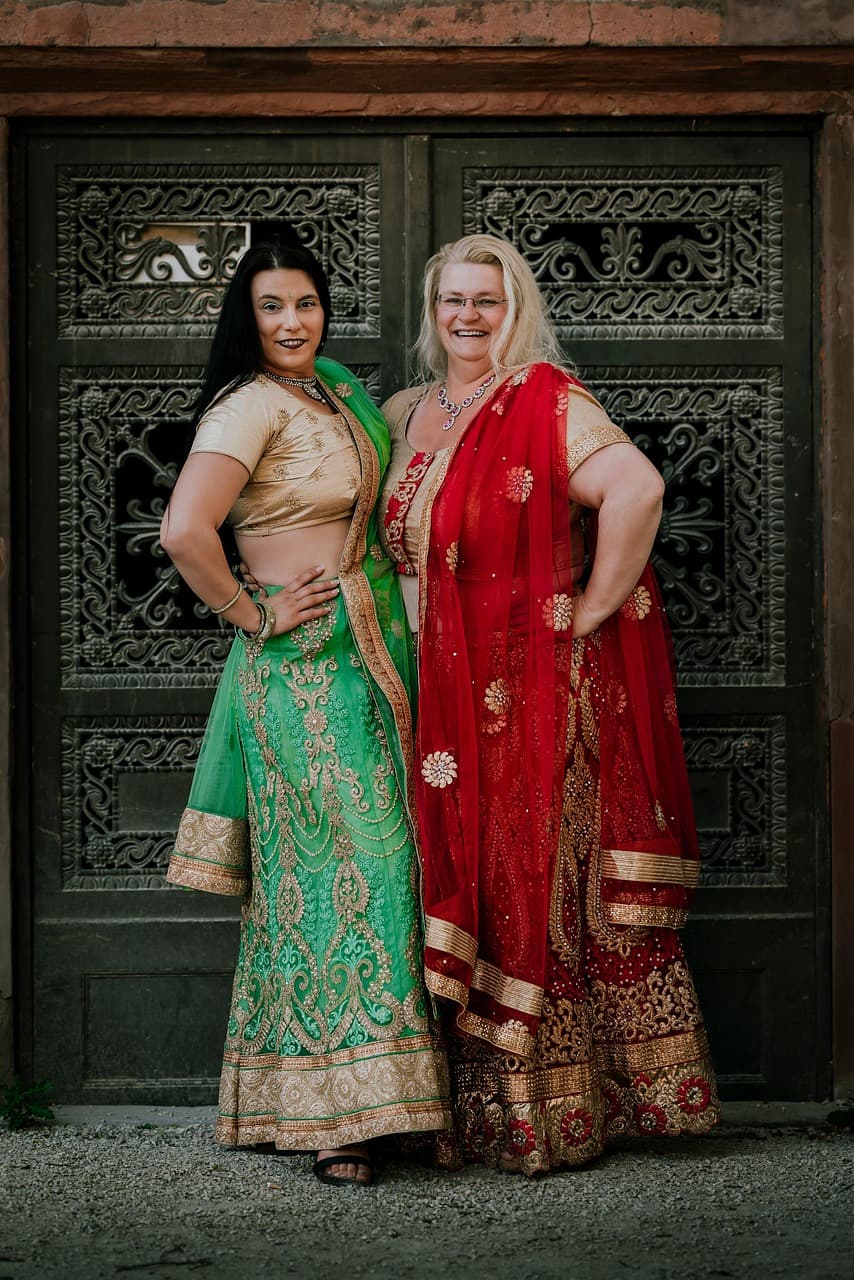
No single institution concentrates luxury spending in India quite like the wedding. The wedding economy is arguably the world's most focused occasion for luxury consumption, drawing together jewellery, couture, hospitality, catering and the decorative arts into a single sustained event that can unfold over days. It is not simply a moment of high expenditure; it is the cultural occasion through which families express their standing, their taste and their continuity.
This concentration has structural consequences. Because weddings are recurrent across communities and generations, they create a steady, predictable current of demand that anchors entire categories of the luxury market. Jewellers, couturiers and hoteliers plan their calendars around the season, and the season itself shapes the rhythm of production, marketing and consumption throughout the year. The wedding is not one event among many; it is the engine around which much of the market is organised.
For brands, the wedding economy rewards those who understand its emotional and social stakes. A wedding purchase is made not for oneself but for a family's most public moment, and the consumer approaches it with a seriousness — and a budget — that few other occasions command. The houses that win this market are those that treat the wedding not as a sales opportunity but as a cultural institution deserving of genuine expertise.

The Digital-Native Consumer and the Entry of Global Brands
India's luxury economy is being reshaped at the same time by a generation that is digital-native in the fullest sense. This consumer discovers, researches and forms opinions about luxury online, moving fluidly between editorial, social media and commerce. The path to purchase no longer runs in a straight line from boutique to checkout; it winds through a landscape of content, commentary and community, where a brand's reputation is built and broken in public.
Alongside this consumer has come the entry of the world's great luxury houses, drawn by the scale of Indian demand and the sophistication of its buyers. Global brands are no longer occasional visitors to the Indian market but committed participants, opening stores, commissioning local craftsmanship and tailoring their storytelling to an Indian audience that expects to be addressed on its own terms. This arrival has raised the competitive bar, but it has also validated the market in the eyes of the world.
The interplay of these two forces is defining the current moment. The digital-native consumer holds global brands to account with the same scrutiny they apply to Indian houses, while Indian houses, long dominant in their categories, are learning to compete with the world's best on a global stage. The result is a market that is more open, more demanding and more dynamic than it has ever been.
The Royal Gallerys Perspective
THE ROYAL GALLERYS reads India's luxury economy as a story of converging forces — affluence, celebration, heritage and a new digital generation — rather than a set of figures to be quoted. We believe the brands and institutions that will shape the next era of this market are those that understand its cultural depth, not merely its size.
Our role is to chronicle that story with the seriousness it deserves, and to place it before the readership that is itself shaping the market. For brands and institutions seeking to participate in that conversation, partnership is available at /advertise.
THE ROYAL GALLERYS is the international magazine for heritage, culture and luxury — documenting the people, places and ideas shaping the worlds of royalty, jewellery, design, travel and contemporary life. Our editorial authority rests on deep engagement with India's cultural ecosystem and a commitment to telling the stories that matter.
For editorial inquiries, story proposals, and partnership discussions, contact our editors at hey.theroyalgallerys@gmail.com.
The Royal Gallerys Editorial
Luxury Business Correspondent. THE ROYAL GALLERYS is the international magazine for heritage, culture and luxury — editorial authority on the people, places and ideas shaping our world.
Part of Business
This article is part of THE ROYAL GALLERYS Business section — our international editorial destination for business, heritage and luxury.
Explore All Business Stories →