Design as Differentiation in a Crowded Market
India's luxury hospitality market is competitive, and design is the arena in which most properties compete. A new resort can commission excellent architects, import fine materials and produce a beautiful result. But beauty is replicable — and what is replicable cannot, by definition, be a durable competitive advantage.
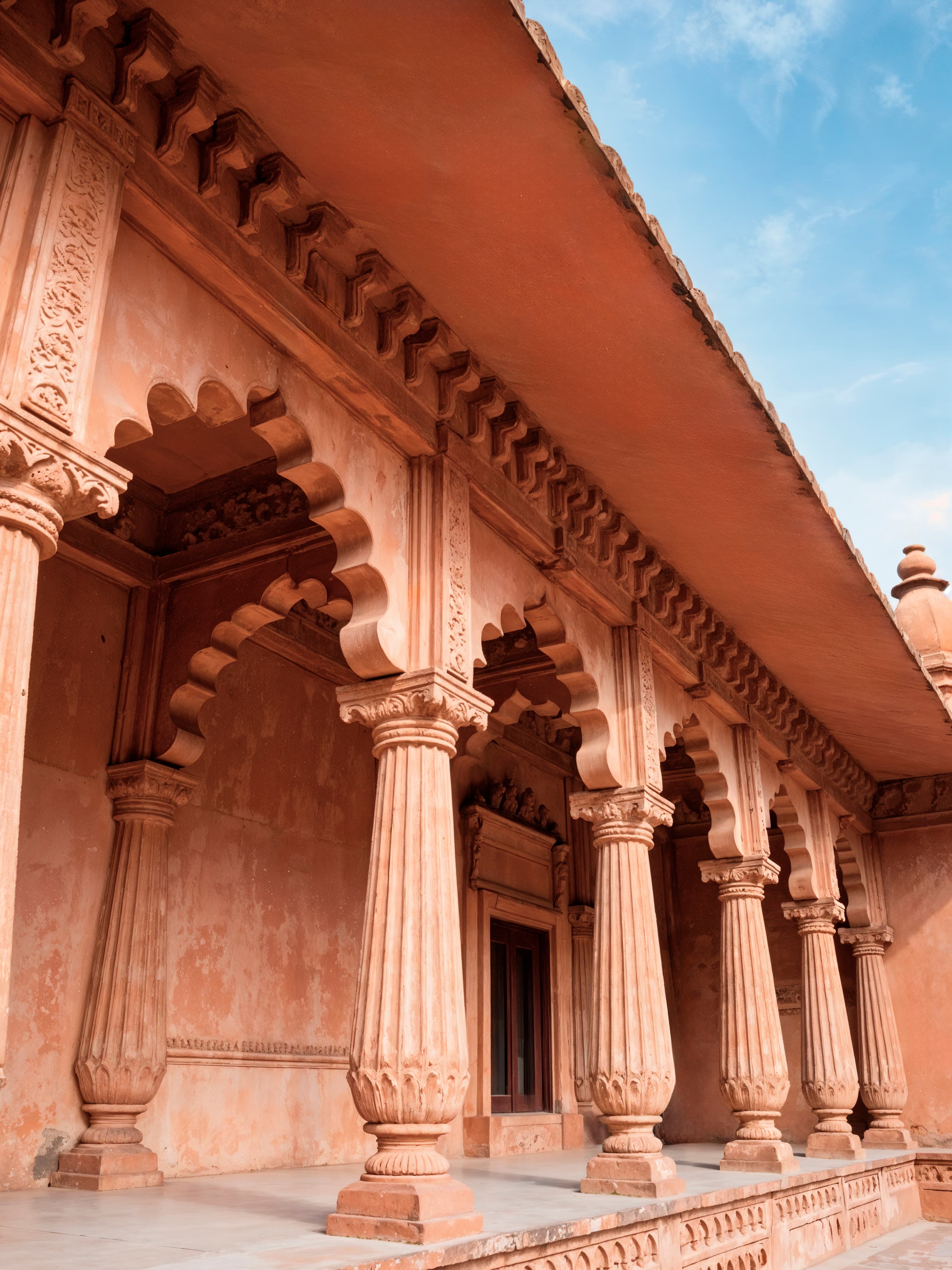
The properties that sustain premium pricing and global attention are those whose design carries something competitors cannot copy: genuine heritage. A palace hotel restored from a Maharaja's residence, a fort converted with respect for its original architecture, a haveli whose frescoes and courtyards remain intact — these are not beautiful in the generic sense. They are irreplaceable.
The commercial consequence is direct. Heritage properties command rates and occupancy that purpose-built competitors struggle to match, because their design is a moat. The guest is not merely staying in a well-designed hotel; they are inhabiting a piece of cultural history.
“What is replicable cannot be a durable competitive advantage.”
Restoration Over Imitation: The Authentic Approach
The distinction that separates credible heritage design from its imitation is the difference between restoration and pastiche. Restoration is the disciplined work of preserving and adapting what is genuinely historic — respecting the original architecture, materials and craft while making the property function as a modern luxury hotel. Pastiche is the superficial application of heritage motifs — a faux courtyard here, a decorative arch there — without the underlying substance.
The guest can tell the difference. An authentic restoration carries a weight of specificity — the particular proportions, materials and patina of a real historical building — that no imitation can reproduce. And in a market of increasingly sophisticated travellers, authenticity is precisely what commands the premium.
For hotel developers and designers, the strategic guidance is clear: invest in genuine heritage where it exists, and commission contemporary design of real quality where it does not — rather than manufacturing a simulated heritage that convinces no one.
Craft and Provenance: The Design Detail That Matters
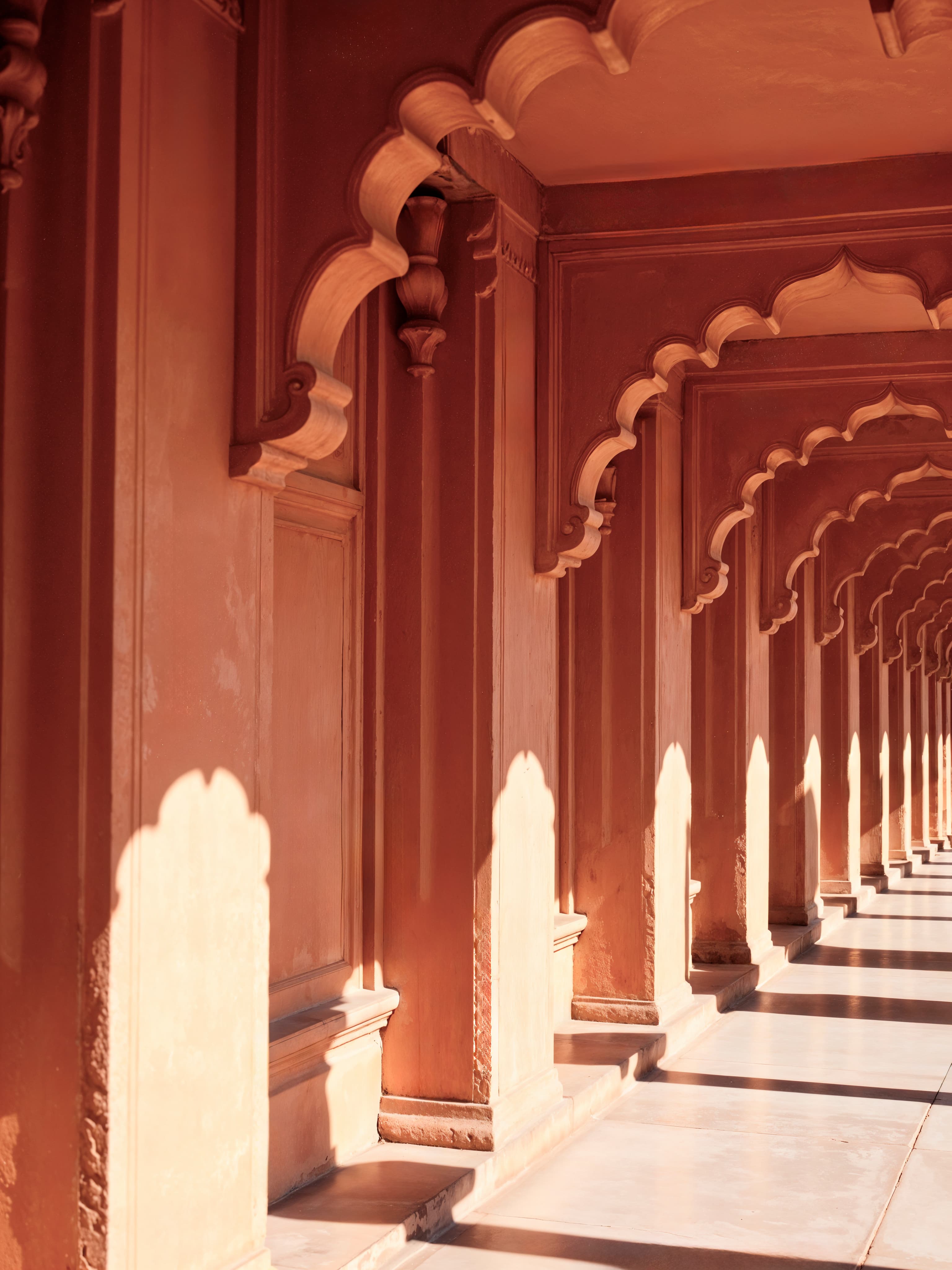
Heritage design is not only about the shell of a building. It extends to the interiors — the craft traditions that furnish and finish a space. Indian luxury has at its disposal an extraordinary reservoir of craft: stone inlay, fresco, textile, woodwork, metalwork and embroidery, each with centuries of refinement and regional specificity.
The properties that distinguish themselves integrate these crafts authentically — commissioning living artisans, crediting their work, and allowing regional traditions to shape the interiors rather than importing a global luxury template. This is design that carries provenance, and provenance is the detail the sophisticated guest increasingly seeks.
The commercial value is twofold. Authentic craft differentiates the property and gives it a story worth telling — and in the editorial economy, a story worth telling is the currency of attention. A hotel whose design embodies a documented craft tradition is a hotel that publications write about and that guests recommend.
“Authentic craft differentiates the property and gives it a story worth telling — and a story worth telling is the currency of attention.”
The Royal Gallerys Perspective
THE ROYAL GALLERYS treats design as we treat all luxury: as a subject of craft, culture and commerce, best understood through editorial seriousness. We document the heritage architecture and craft traditions that distinguish India's most compelling properties, and we explain their commercial value to the decision-makers who read us.
We believe the properties that will define Indian luxury hospitality are those that invest in authentic heritage and genuine craft — that restore rather than imitate, and that let provenance shape the design. The market rewards authenticity, and the guests who matter most can tell the difference.
THE ROYAL GALLERYS is the international magazine for heritage, culture and luxury — documenting the people, places and ideas shaping the worlds of royalty, jewellery, design, travel and contemporary life. Our editorial authority rests on deep engagement with India's cultural ecosystem and a commitment to telling the stories that matter.
For editorial inquiries, story proposals, and partnership discussions, contact our editors at hey.theroyalgallerys@gmail.com.
The Royal Gallerys Editorial
Design & Heritage Correspondent. THE ROYAL GALLERYS is the international magazine for heritage, culture and luxury — editorial authority on the people, places and ideas shaping our world.
Part of Design
This article is part of THE ROYAL GALLERYS Design section — our international editorial destination for design, heritage and luxury.
Explore All Design Stories →