When Derby Met the Royal Courts of Hindustan
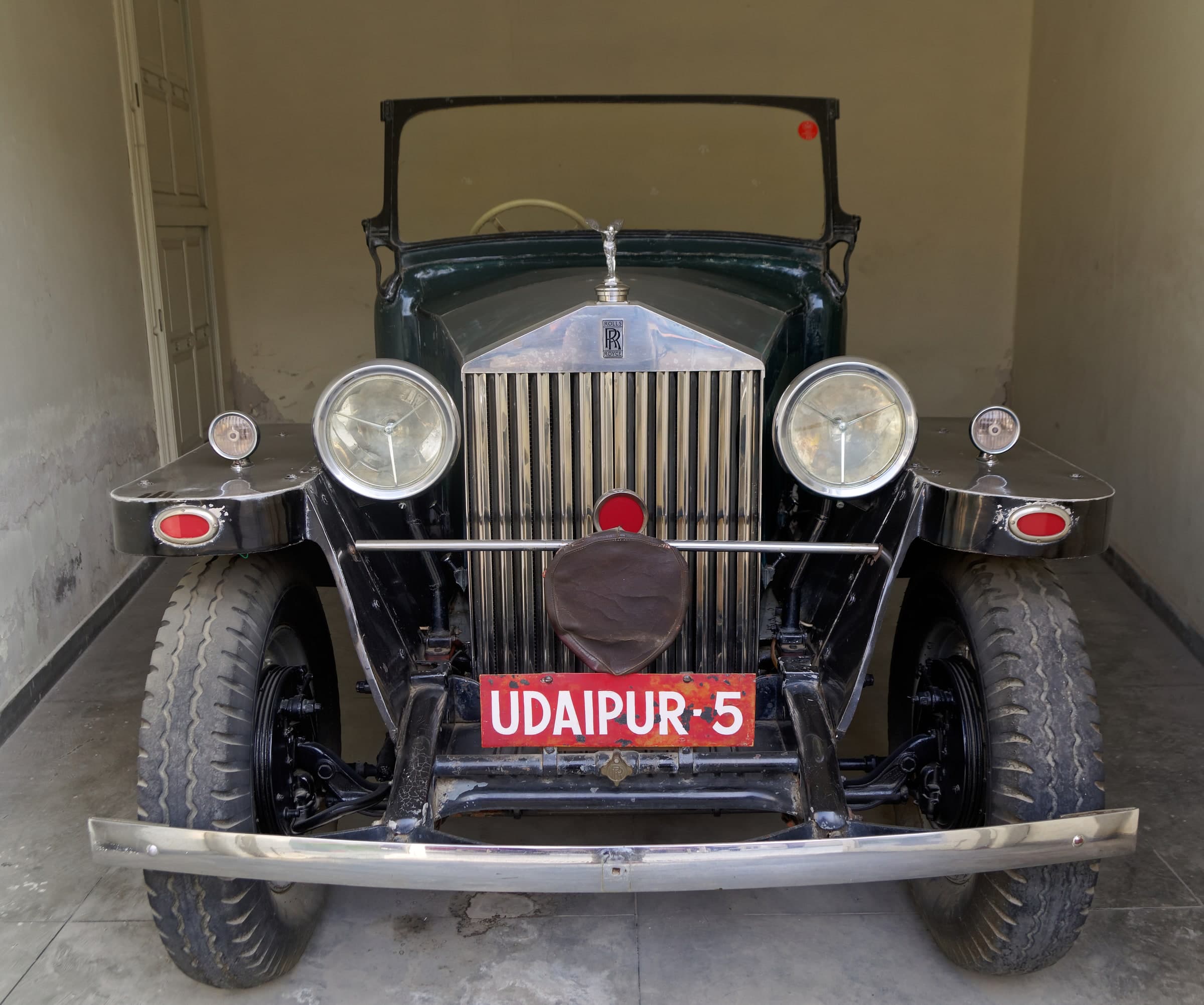
When Claude Johnson, the commercial mastermind behind Charles Rolls and Henry Royce, coined the phrase 'The Best Car in the World' for the 40/50 HP Silver Ghost in 1907, his primary international market was not North America or continental Europe. It was the princely subcontinent. Over the subsequent four decades, the royal houses of India did more than buy motor cars; they co-created the modern philosophy of bespoke automotive luxury.
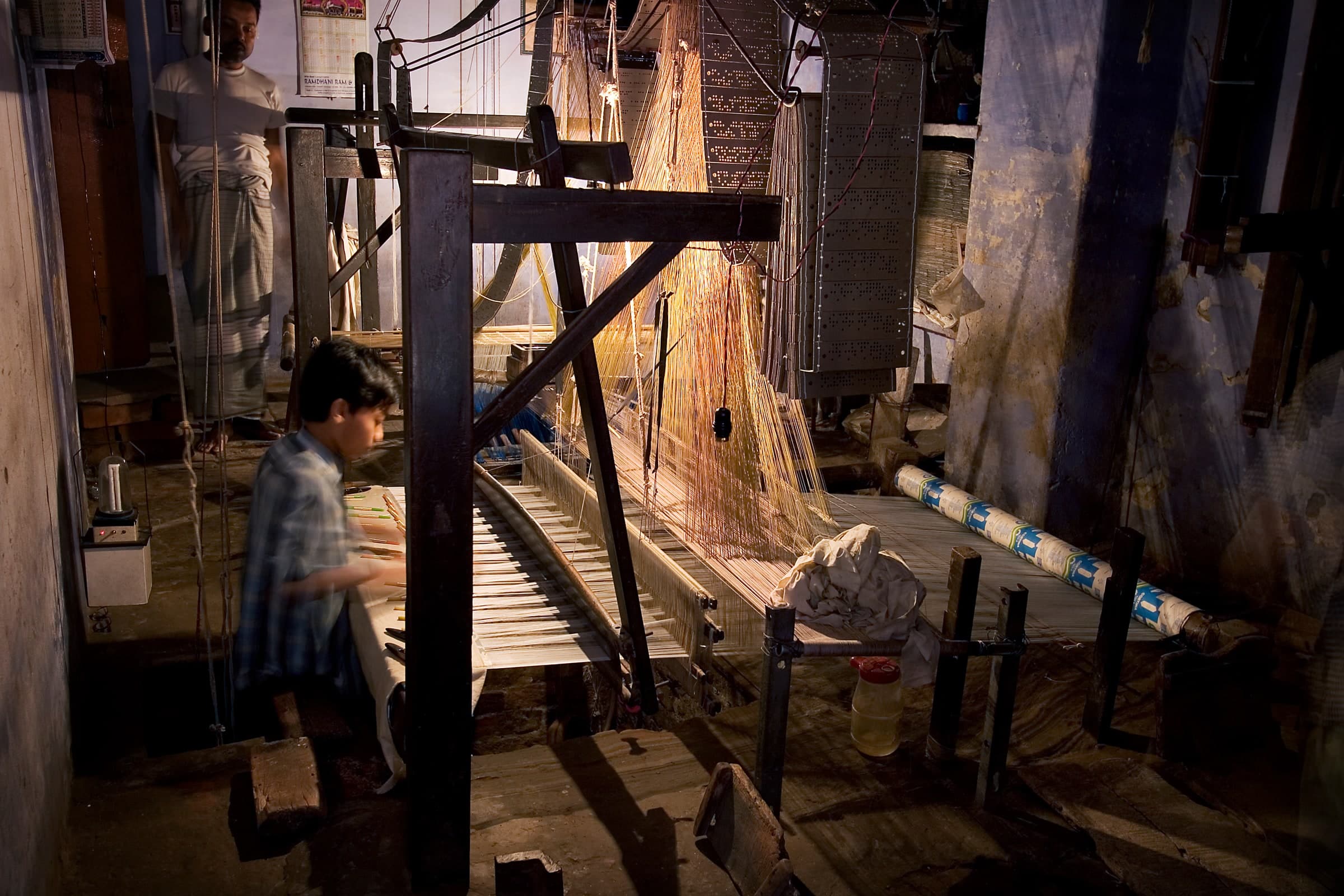
To the British nobility, a luxury car was largely a conservative conveyance painted in black or deep Brunswick green. To the Indian princes, who had commanded hundreds of craftsmen in royal karkhanas (workshops) for generations, the motor vehicle was a blank canvas for artistic expression. They demanded that coachbuilders integrate hand-chased sterling silver dashboard panels, mother-of-pearl inlays, gold-plated door handles, and bespoke velvet brocade weaves woven by royal weavers in Varanasi and Surat.
“To European aristocrats, a car was a conservative conveyance. To the Indian princes, it was a blank canvas for the greatest artisanal coachbuilders on earth.”
The Star of India: Pinnacle of the Coachbuilder's Art
Among all royal commissions, none captures the imagination quite like the 1934 Phantom II Continental known as the 'Star of India,' built for the Thakore Sahib of Rajkot, Dharmendrasinhji Lakhajiraj. Bodied by Thrupp & Maberly as an open tourer, the vehicle was finished in striking saffron ochre with polished aluminium bonnet and wings — an intentional homage to the Hindu colour of purity and valour.
The car's specification reads like a piece of high jewellery: fourteen headlights and auxiliary spotlights, two amber driving beacons mounted on the windscreen pillars, and a bespoke steering wheel covered in braided leather. The interior was lined in saffron-dyed crocodile hide, with walnut fascia panels inlaid with the coat of arms of the State of Rajkot. When the car was repatriated to India in 2010 by the current Yuvraj Mandhatasinhji, it marked a triumphant moment for the preservation of Indian cultural patrimony.
Tropical Radiators and Colonial Testing
The Indian market forced Rolls-Royce engineers in Derby to pioneer technical innovations that later became standard on all luxury cars. Standard British cooling systems quickly boiled over when navigating the summer heat of central India or climbing the steep 6,000-foot gradients to the hill stations of Shimla, Ooty, and Darjeeling.
In response, Sir Henry Royce personally oversaw the development of the 'Colonial Chassis.' These variants featured larger, higher-capacity radiators with thermostat-controlled vertical shutters, oversized heavy-duty steering dampers, reinforced leaf springs with leather gaiters to keep out abrasive dust, and auxiliary cooling fans driven directly from the crankshaft. Testing reports from Bombay and Delhi were wired back to Derby weekly, directly shaping the mechanical durability that earned Rolls-Royce its bulletproof global reputation.
“The Star of India Phantom II, finished in saffron ochre and polished aluminium, proved that automotive engineering could rise to the level of high jewellery.”
Goodwood's Contemporary Indian Renaissance
The dialogue between Rolls-Royce and Indian culture continues vigorously in the 21st century at the marque's headquarters in Goodwood, England. Modern bespoke commissions from Indian connoisseurs frequently draw direct inspiration from ancestral archives. The Maharaja Peacock Phantom, commissioned in 2015, paid homage to India's national bird with emerald green and cobalt blue exterior hues, hand-embroidered silk peacock motifs on the headrests, and marquetry inlays rendered from sycamore and walnut.
Today, Rolls-Royce Bespoke designers regularly visit India to study royal textile collections, architectural jali stone carvings, and traditional gemstone cuts. In an era of mass luxury, where assembly-line vehicles roll out by the hundred thousand, the Goodwood bespoke studio remains one of the few places where true coachbuilding traditions survive — sustained by the same spirit of individual patronage that flourished in the durbars of the 1920s.
The Royal Gallerys Perspective
The royal Indian Rolls-Royce was never a vehicle of mere ostentation; it was a cultural bridge where British mechanical precision served Indian royal ceremonial life. It proved that when industrial engineering is subordinated to artistic patronage, the machine ceases to be a consumable commodity and becomes a lasting cultural artefact.
As the automotive industry transitions toward electrification and software-defined platforms, the lessons of the Maharaja's bespoke commissions are more relevant than ever. True luxury is not measured by screen size or horsepower figures; it is measured by provenance, personal intent, and the enduring human hand.
THE ROYAL GALLERYS is the international magazine for heritage, culture and luxury — documenting the people, places and ideas shaping the worlds of royalty, jewellery, design, travel and contemporary life. Our editorial authority rests on deep engagement with India's cultural ecosystem and a commitment to telling the stories that matter.
For editorial inquiries, story proposals, and partnership discussions, contact our editors at hey.theroyalgallerys@gmail.com.
Rohan Varma
Senior Motoring Editor. THE ROYAL GALLERYS is the international magazine for heritage, culture and luxury — editorial authority on the people, places and ideas shaping our world.
Part of Motoring
This article is part of THE ROYAL GALLERYS Motoring section — our international editorial destination for motoring, heritage and luxury.
Explore All Motoring Stories →