The Culinary Detective: Tracking Forgotten Nuskhas
In the culinary world, recipes are rarely considered antiquities. Ingredients spoil, techniques evolve, and menus change with the seasons. But to Chef Vikramaditya Rathore, an ancient recipe manuscript is as sacred and historically significant as an illuminated medieval folio or a royal decree.
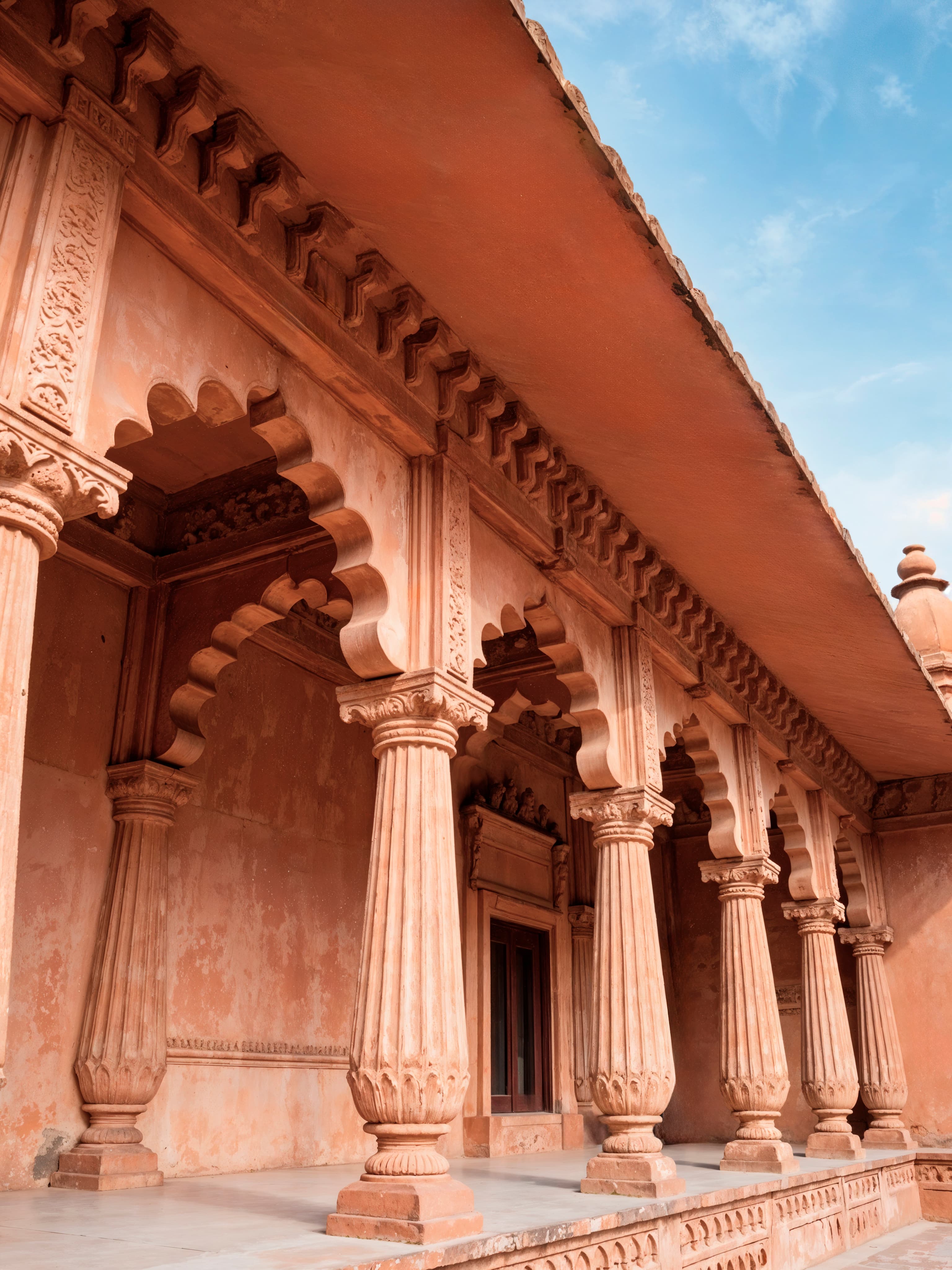
For over twenty-five years, Rathore has traveled to crumbling palace outhouses, remote village havelis, and princely libraries across Rajasthan, Awadh, Hyderabad, and the Punjab hills. His objective is not to find contemporary restaurant recipes, but to unearth forgotten *nuskhas* — handwritten culinary treatises penned in Persian, Urdu, and Modi script by royal khansamas centuries ago.
'When a royal palace was disbanded in the 1970s, the cooking manuscripts were often thrown into cardboard boxes in damp cellars because nobody in the family could read the classical Urdu or Old Rajasthani script,' Chef Vikramaditya explains. 'In those boxes rested recipes that had taken three hundred years of royal experimentation to perfect. I made a solemn promise that I would not let that knowledge die.'
“Royal khansamas wrote their recipes in cryptic poetic codes: 'a fist of wild cumin', 'simmered until the steam whispers like a dove.'”
Deciphering the Alchemy of the Khansamas
Deciphering an ancient royal recipe is an exercise in historical forensics. Khansamas deliberately wrote in cryptic codes to prevent their rivals from replicating their signature dishes. Measurements were not written in grams or cups, but in *tolas*, *mashas*, and poetic descriptions: 'a fist of aged wild cumin', 'the butter extracted from three dawn milkings', or 'simmered until the steam whispers like a dove'.
Equally challenging is sourcing the original ingredients. Royal cooking relied on an intricate knowledge of seasonal botany and Ayurvedic medicine. In the desert kingdoms of Marwar, dishes were designed to cool the body during blistering 48-degree summers using dried vetiver root (*khus*), raw mango, and unpasteurised goat curd, while winter preparations incorporated warming resin extracts, musk, and pure saffron to sustain warriors on horseback.
Chef Vikramaditya works with botanists and organic farmers across the country to revive endangered heritage crops — including indigenous black mustard seed, heirloom Mathania chillies, and ancient aromatic short-grain rices that had been completely displaced by industrial agricultural monoculture.
Recreating the Royal Dawat for the Modern World
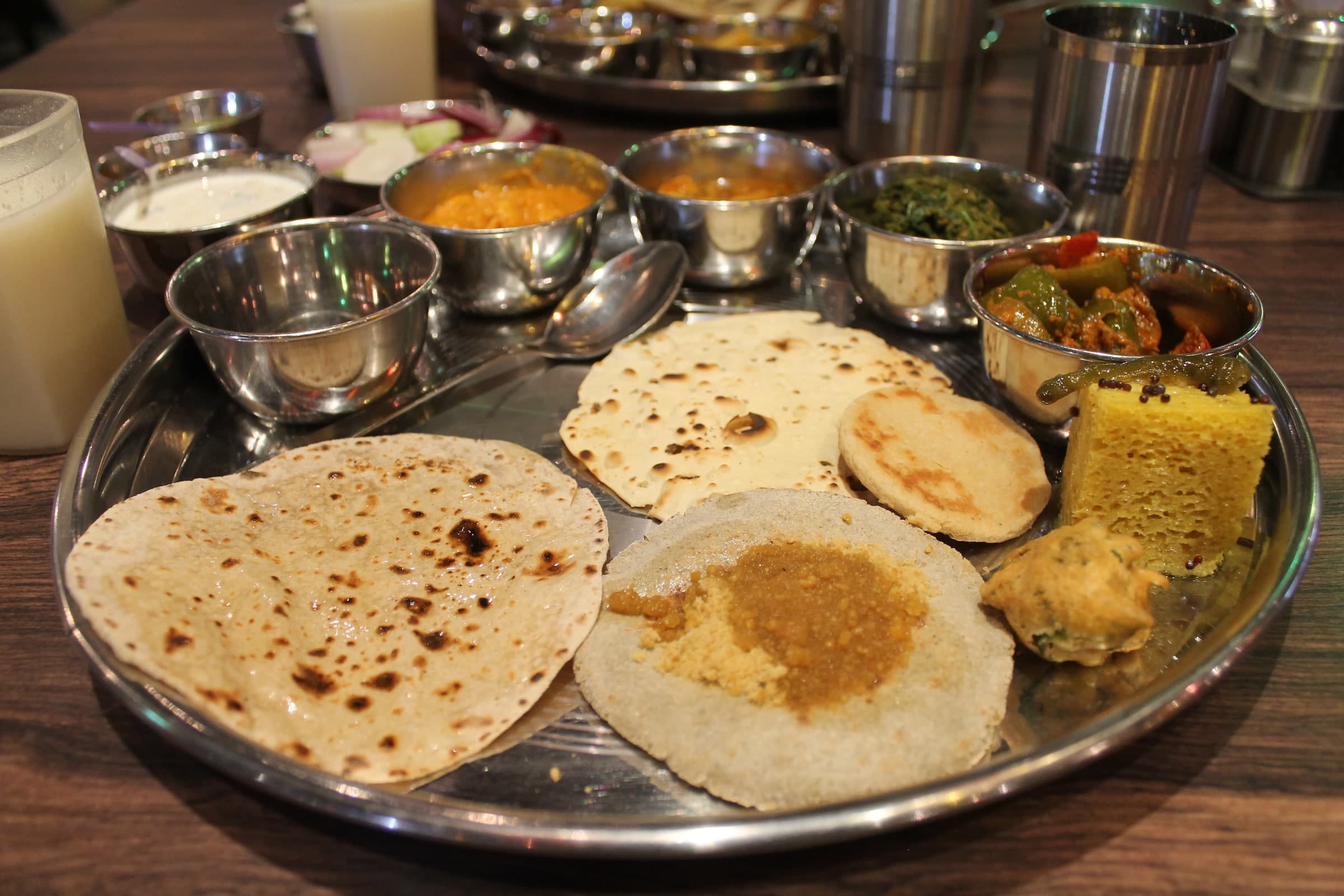
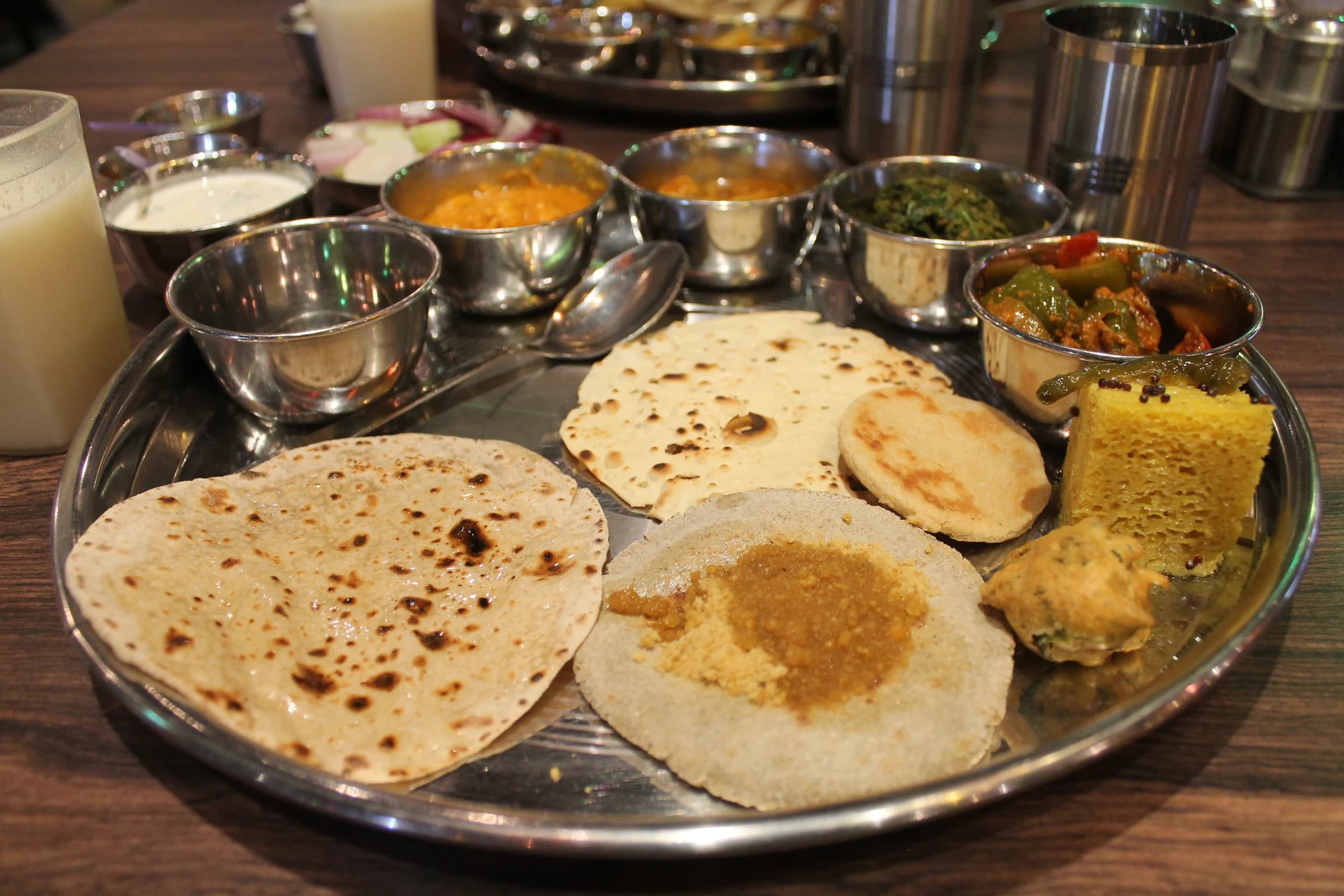
Having decoded these recipes, Chef Vikramaditya does not compromise their preparation for commercial convenience. In his kitchens, there are no industrial blenders, non-stick pans, or pressure cookers. Cooking is carried out strictly in hand-hammered heavy tin-lined copper vessels (*degchis*), slowly simmered over wood and charcoal embers (*sigris*).
His signature culinary showcase is the Royal Dawat — a multi-course ceremonial feast where dishes are introduced in accordance with traditional court etiquette. Guests are served dishes that have not been tasted in public for half a century: Rampuri *Doodhiya Kabab* (delicate parcels of smoked paneer stuffed with raw mango and mint), Sailana *Safed Maas* (mutton slow-braised with almond paste and white cardamom without a single grain of turmeric), and Hyderabadi *Gosh-e-Firdous* (a rich dessert made with bottle gourd, reduced milk, and pure silver leaf).
International food critics who have attended these dawats speak of them with awe. The flavors are not hot or aggressively spicy; they are subtle, aromatic, and deeply harmonious, revealing layers of nuance that linger on the palate for minutes after each bite.
“Heritage is not something you leave in a museum archive; it is something you must cook with your hands every single day.”
The Academy of Culinary Heritage
Recognizing that a single chef cannot preserve an entire subcontinental culinary tradition, Chef Vikramaditya established the Culinary Heritage Guild of India. The guild provides scholarships for young culinary students from rural backgrounds, teaching them traditional stone-grinding, copper retinning (*kalai*), and slow-braising (*dum pukht*) techniques alongside modern professional hygiene and restaurant management.
'If our young chefs only learn how to make French sauces and Italian pasta, who will cook our great court dishes fifty years from now?' he asks. 'Heritage is not something you leave in an archive; it is something you cook every single day.'
The Royal Gallerys Perspective
In a globalized food landscape dominated by homogenized flavor profiles and industrial fast-casual concepts, Chef Vikramaditya Rathore's crusade is nothing short of heroic. He reminds us that cooking is one of the highest expressions of human culture — an art form that touches all five senses simultaneously.
By bringing the lost recipes of the maharajas to the world, he is not merely serving food; he is serving history, memory, and the enduring soul of a civilization.
THE ROYAL GALLERYS is the international magazine for heritage, culture and luxury — documenting the people, places and ideas shaping the worlds of royalty, jewellery, design, travel and contemporary life. Our editorial authority rests on deep engagement with India's cultural ecosystem and a commitment to telling the stories that matter.
For editorial inquiries, story proposals, and partnership discussions, contact our editors at hey.theroyalgallerys@gmail.com.
Devika Rathore
Gastronomy & Heritage Editor. THE ROYAL GALLERYS is the international magazine for heritage, culture and luxury — editorial authority on the people, places and ideas shaping our world.
Part of People
This article is part of THE ROYAL GALLERYS People section — our international editorial destination for people, heritage and luxury.
Explore All People Stories →