The Silent Cathedrals of the Desert
To travel through the rural interior of Rajasthan is to witness a magnificent architectural tragedy. Perched on granite hills and isolated rocky knolls stand hundreds of 14th-, 15th-, and 16th-century fortresses — once the impregnable strongholds of Rajput thakurs, generals, and chieftains. Following the integration of India and the collapse of the feudal economy, these fortresses were largely abandoned. Roofs caved in, wild acacia trees rooted in stone courtyards, and local villagers quarried the lower ramparts for building materials.
To conventional real estate developers and corporate hotel chains, these ruins were worthless liabilities: inaccessible, lacking running water, electricity, or paved roads, and far too expensive to restore under commercial accounting models.
Then, in the late 1980s, a visionary historian and writer named Aman Nath (along with the late Francis Wacziarg) saw something different. Where others saw rubble, they saw living poetry. They believed that the only way to save India's vast built heritage was not through roped-off government protection, but through 'adaptive reuse' — transforming ruins into operational 'non-hotels' that generate the revenue necessary to fund their own perpetual conservation.
“Where conventional developers saw worthless rubble, they saw living poetry: the only way to save heritage is to give it a living purpose.”
The 'Non-Hotel' Ethos: Respecting the Scars of Time
Their founding masterpiece was Neemrana Fort-Palace, a sprawling 15th-century fortress rising across twelve tiers of an Aravali hillside. When Nath and Wacziarg acquired the ruins in 1986, half the structure had collapsed, and goats grazed in the former durbar halls.
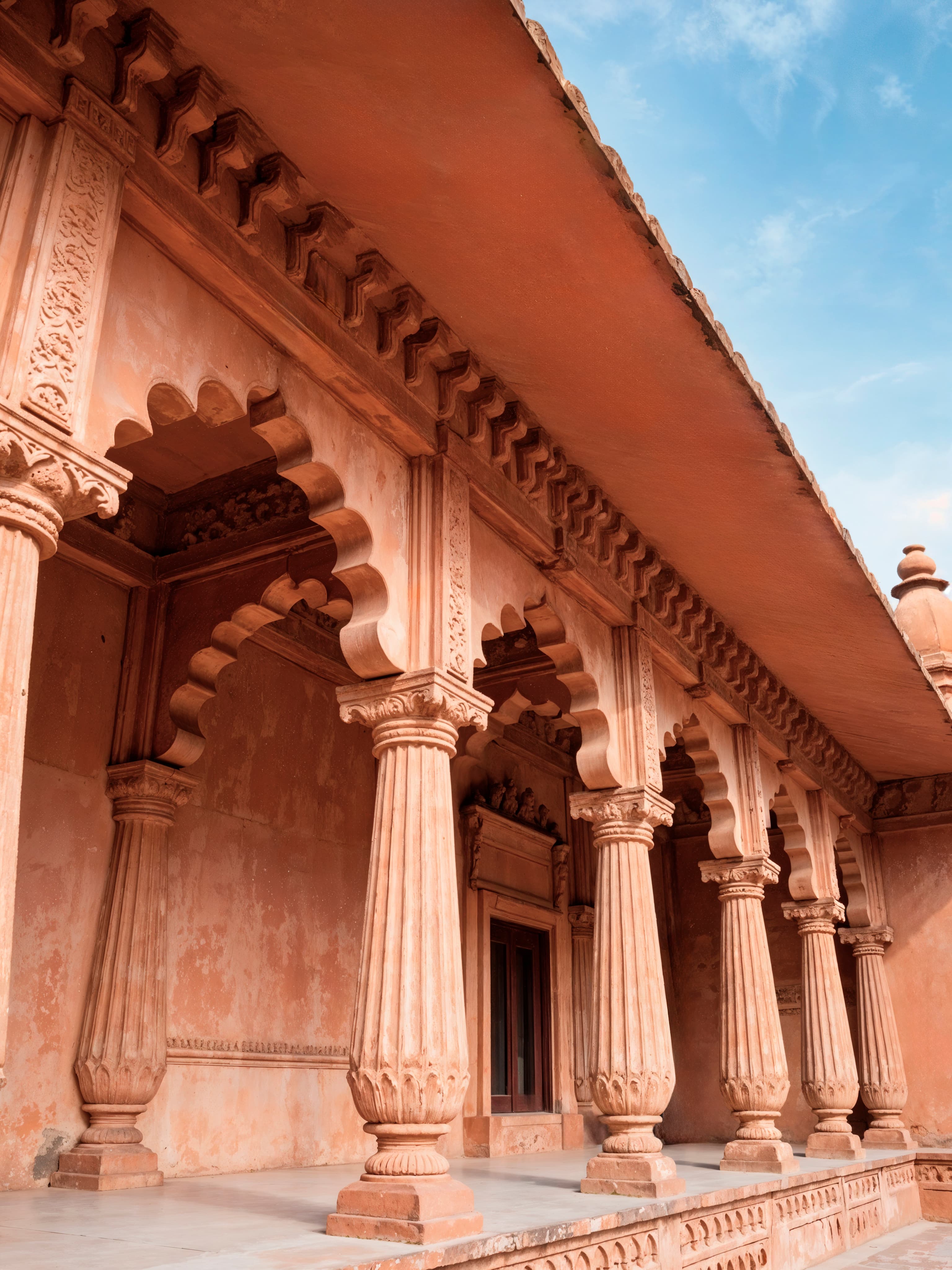
Rather than executing a sterile, polished corporate rebuild with elevators, wall-to-wall carpeting, and identical drywall rooms, they formulated what they called the 'non-hotel' philosophy. The restoration was carried out using traditional materials: lime mortar (*chuna*), stone dust, unrefined jaggery, and methi paste, which allows ancient stone to breathe and cool naturally in the desert sun.
Crucially, they refused to erase the scars of history. War-damaged ramparts were stabilized rather than rebuilt with faux-new stone; uneven medieval staircases were left authentic; and each guest room was configured around the existing historical chamber — whether a former cannon-powder store, a subterranean dungeon, or an airy queen's terrace. The result was an experience that felt utterly authentic: guests did not feel like tourists in a hotel; they felt like travelers who had wandered into an enchanted medieval city.
Reviving Rural Economies: Heritage as Civic Renewal
The impact of this restoration model extends far beyond tourism aesthetics. When a forgotten fortress is revived, the surrounding village experiences a socio-economic renaissance.
At Tijara Fort-Palace in Alwar — an unfinished 19th-century marvel that sat abandoned for nearly two centuries — the restoration project employed hundreds of local stonemasons, carpenters, and plaster artisans, reviving traditional building crafts that were on the brink of extinction. Once opened, the property hired its entire operational staff — from cooks and gardeners to guides and managers — from the surrounding farming villages.
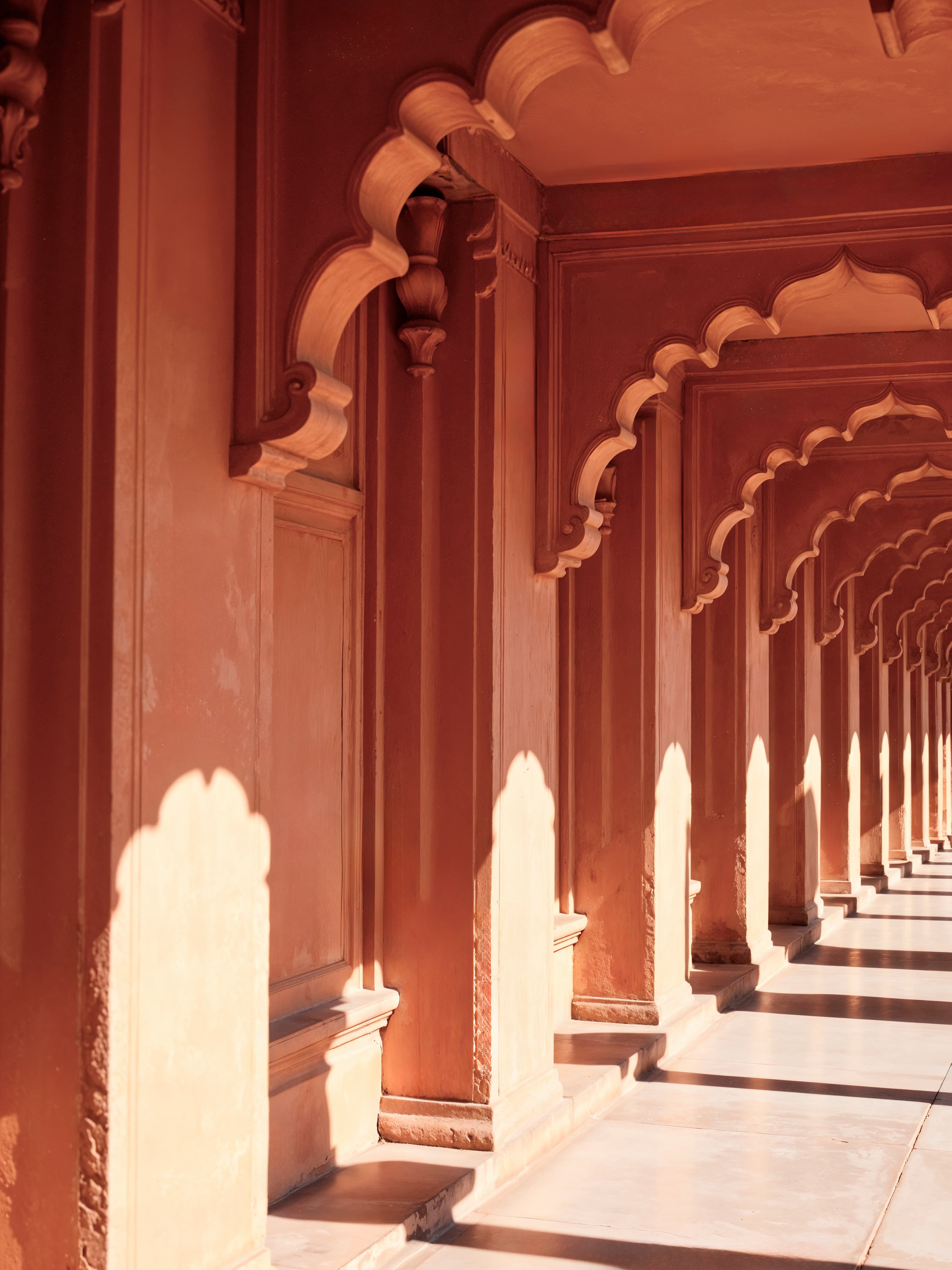
Water management is equally central to the ethos. By restoring ancient stepwells and rooftop rainwater harvesting channels built by medieval engineers, these properties often capture millions of liters of monsoon water each year, replenishing the local water table and turning barren hillsides into lush botanical sanctuaries.
“Ancient walls were restored with lime mortar, stone dust, and unrefined jaggery — allowing 500-year-old stone to breathe naturally under the desert sun.”
A National Heritage Movement
Today, the success of this model has inspired a nationwide movement. From Fort Barli near Ajmer to Mihir Garh in Rohet and Alila Fort Bishangarh in Jaipur, independent hoteliers and aristocratic families are actively salvaging forgotten regional architecture.
International travelers have responded with overwhelming enthusiasm. Disillusioned with the standardized, sanitized sameness of global five-star chains, high-net-worth explorers actively seek out properties where every stone has a story, where evening concerts take place beneath open star-filled desert skies, and where their tourism dollars directly preserve world heritage.
The Royal Gallerys Perspective
The restoration of Rajasthan's forgotten fortresses is one of the most successful cultural conservation stories of our time. It proves that the best way to honor the past is not to treat it as a dead museum exhibit, but to give it a living purpose in the present.
By sleeping in these historic bastions, we do not merely escape the noise of the modern world; we help ensure that the glorious architectural achievements of our ancestors remain standing for centuries to come.
THE ROYAL GALLERYS is the international magazine for heritage, culture and luxury — documenting the people, places and ideas shaping the worlds of royalty, jewellery, design, travel and contemporary life. Our editorial authority rests on deep engagement with India's cultural ecosystem and a commitment to telling the stories that matter.
For editorial inquiries, story proposals, and partnership discussions, contact our editors at hey.theroyalgallerys@gmail.com.
Rohan Varma
Architecture & Heritage Correspondent. THE ROYAL GALLERYS is the international magazine for heritage, culture and luxury — editorial authority on the people, places and ideas shaping our world.
Part of People
This article is part of THE ROYAL GALLERYS People section — our international editorial destination for people, heritage and luxury.
Explore All People Stories →