The Blueprint of Aristocratic Modernity
In the history of twentieth-century style, few figures commanded greater international fascination than Maharani Gayatri Devi of Jaipur. Born Princess of Cooch Behar and married into the royal house of Jaipur, she dismantled every Western cliché of subcontinental royalty. Rather than wearing heavy, gem-encrusted brocades and hiding behind palace screens, Gayatri Devi embraced a breathtakingly modern aesthetic.
She took the traditional French chiffon saree — light as air, rendered in understated pastel hues of turquoise, soft peach, and pearl white — and paired it with simple strands of natural Basra pearls, minimal diamond ear studs, and a flawlessly tailored sleeveless blouse. The look was effortless, athletic, and peerlessly sophisticated. When Vogue named her one of the Ten Most Beautiful Women in the World, she became a global arbiter of luxury, photographed by Cecil Beaton and courted by royalty and heads of state from Washington to London.
“Gayatri Devi took the pastel chiffon saree and paired it with Basra pearls and minimal jewellery: effortless, modern, and peerlessly sophisticated.”
The Palace Atelier as an Economic Engine
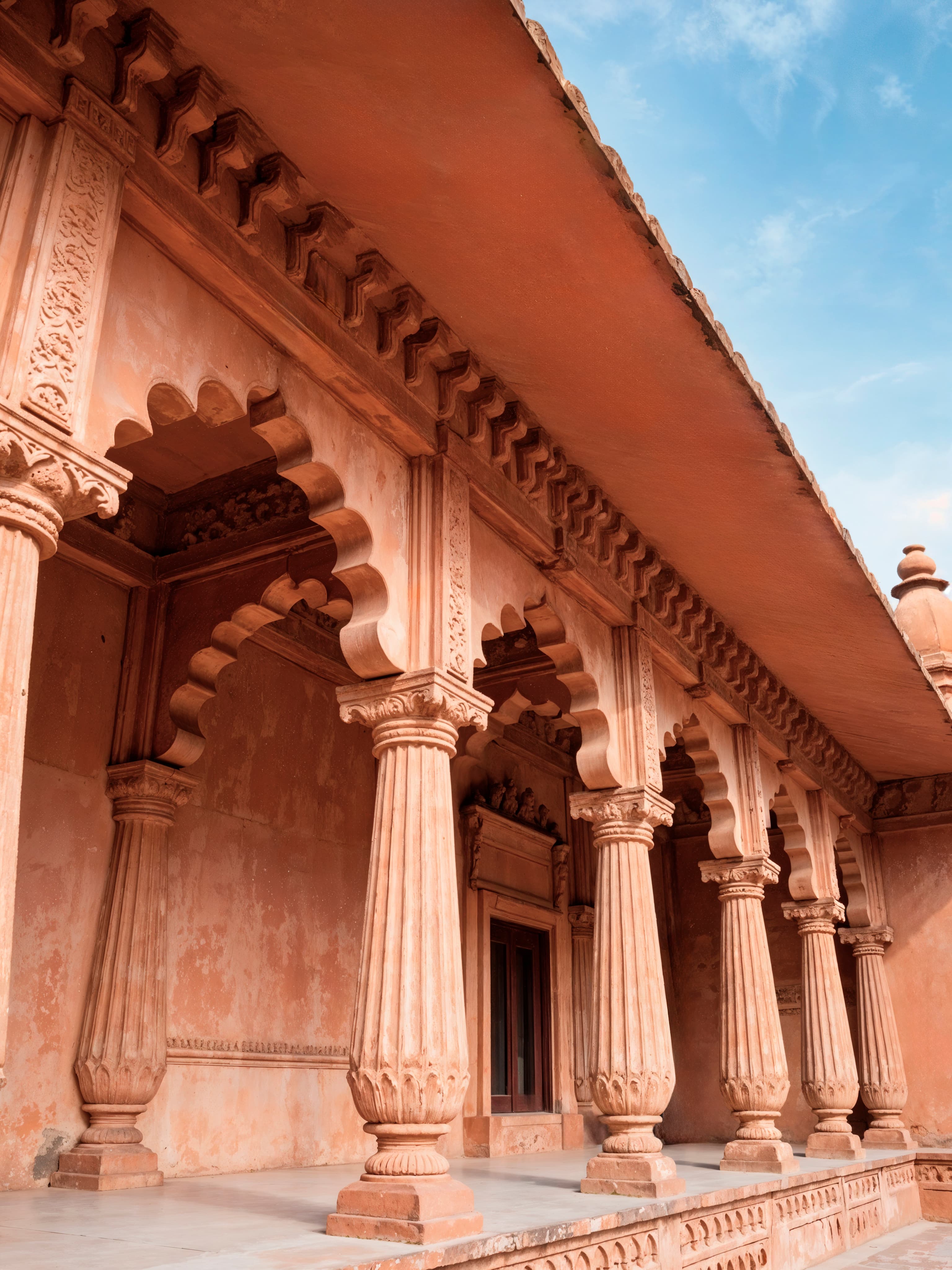
What the international press often celebrated as personal glamour was actually supported by an extraordinary infrastructure of craft. Within the royal palaces of Jaipur, Gwalior, Indore, and Baroda, private ateliers (*karkhanas*) had operated for centuries, employing master weavers, dyers, and embroiders whose sole function was to create textiles for the royal household.
In the modern era, visionary royal women recognized that this extraordinary archive of craftsmanship could not survive merely on domestic family patronage. It had to be structured into viable, contemporary commercial enterprises.
Leading this transformation was Princess Diya Kumari of Jaipur, who founded The Palace Atelier inside the City Palace. Rather than selling generic tourist souvenirs, the atelier digitized hundreds of years of royal textile motifs — floral jaals, mughal butas, and geometric borders — and partnered with rural women artisans to produce high-end apparel, fine homeware, and bespoke bridal trousseaus. By ensuring international quality control and contemporary silhouettes, the enterprise proved that royal design could compete at the highest tier of global luxury.
The Antidote to Fast Fashion: Slow Heritage Craft
In an international fashion industry increasingly condemned for hyper-production, plastic microfibers, and disposable trends, the royal fashion houses offer a compelling alternative: true slow luxury. A single handwoven saree or jacket produced by these ateliers can take up to six months to create.
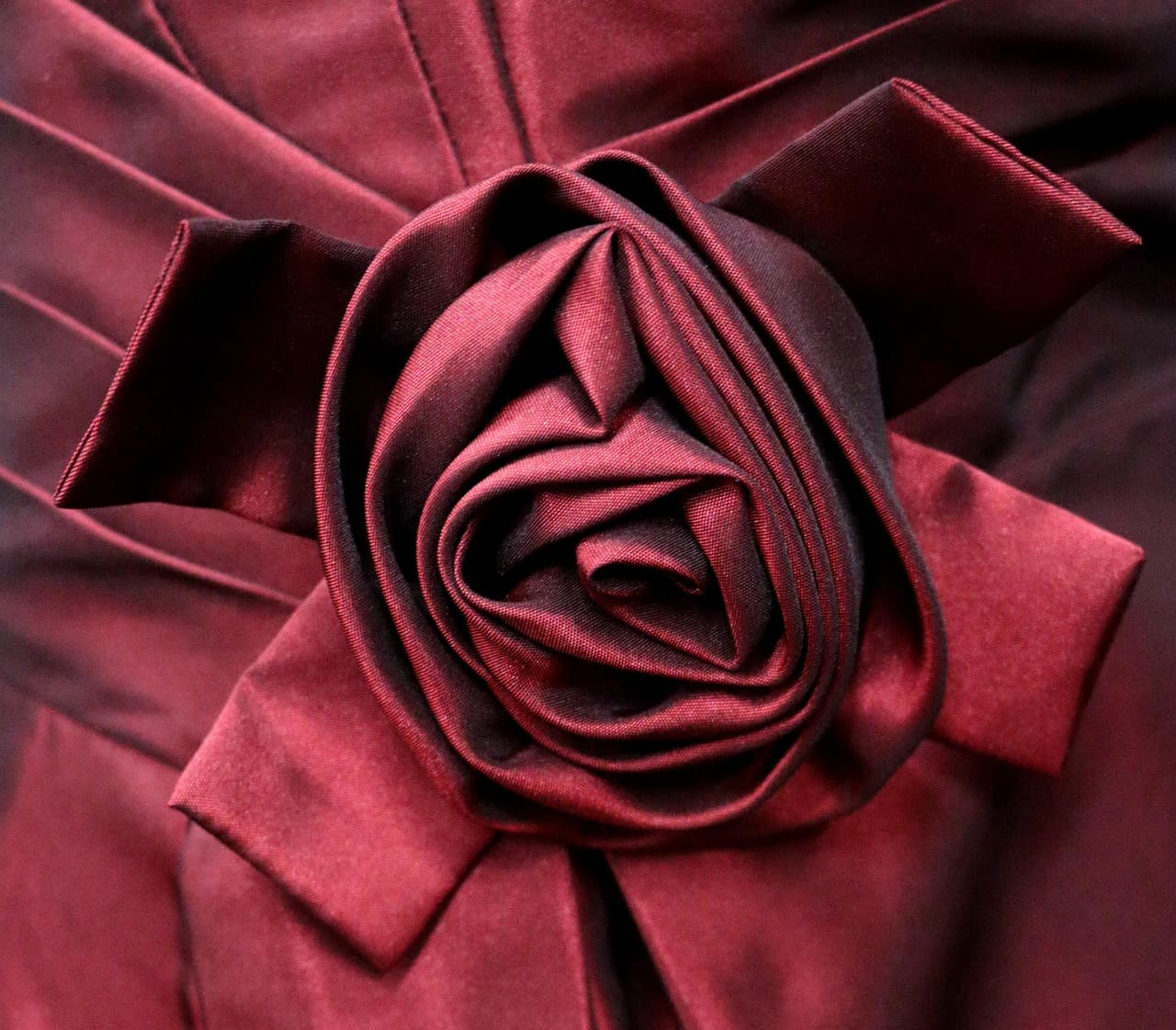
Natural fibres — organic handspun cottons, mulberry silks, and pashmina wools — are dyed using non-toxic botanical pigments derived from pomegranate rinds, madder root, and wild indigo. The embellishments are executed using hand-embroidery techniques like *marodi*, *aari*, and *gota patti*, where every stitch is anchored by human hands.
Discerning international luxury consumers in Paris, Tokyo, and New York are increasingly seeking out these authentic royal labels, recognizing that genuine luxury lies not in mass-produced designer logos, but in the irreproducible soul of human craftsmanship.
“True luxury lies not in mass-produced designer logos, but in the irreproducible soul of six months of human handloom craft.”
A New Generation on the World Runway
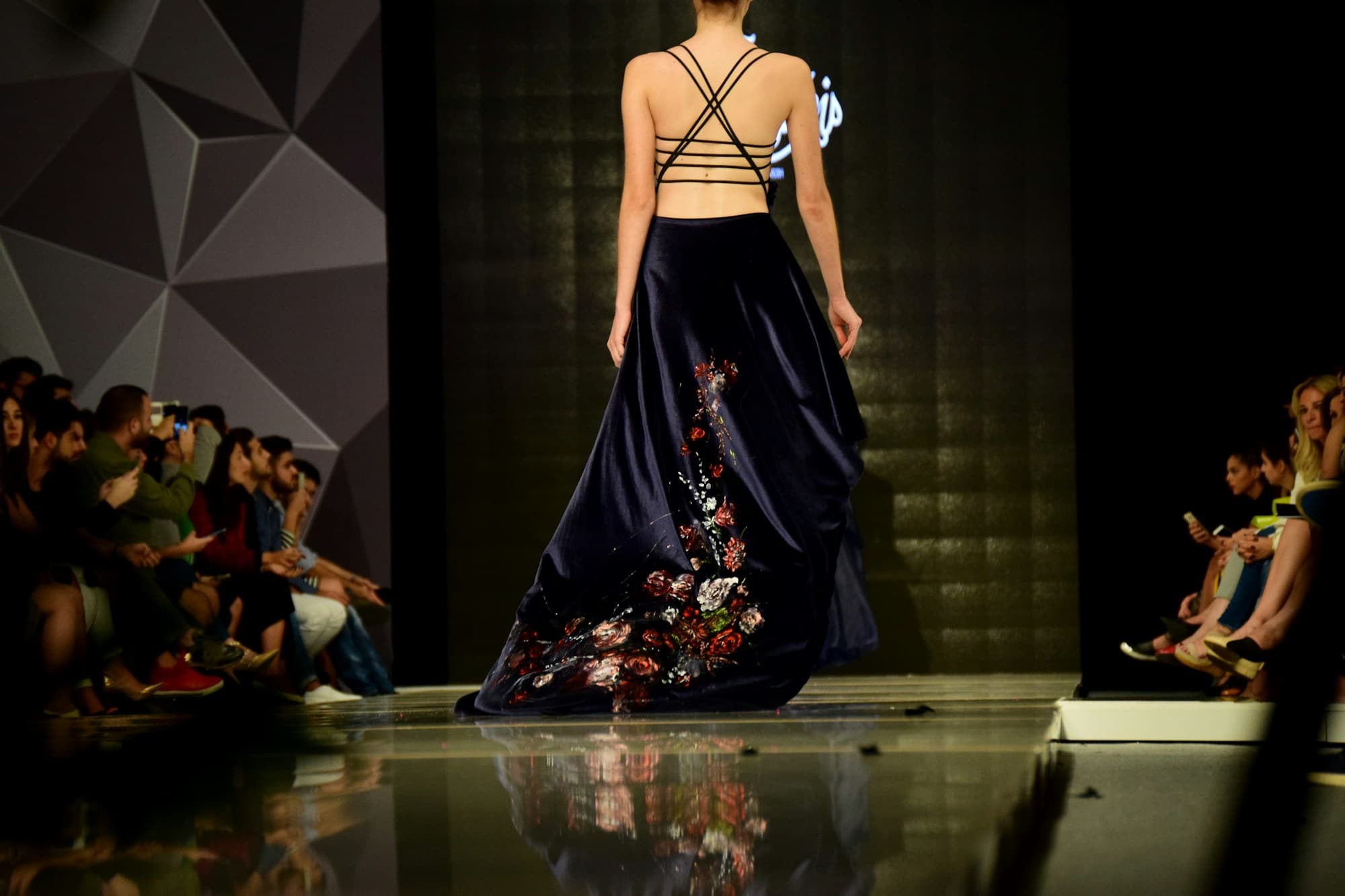
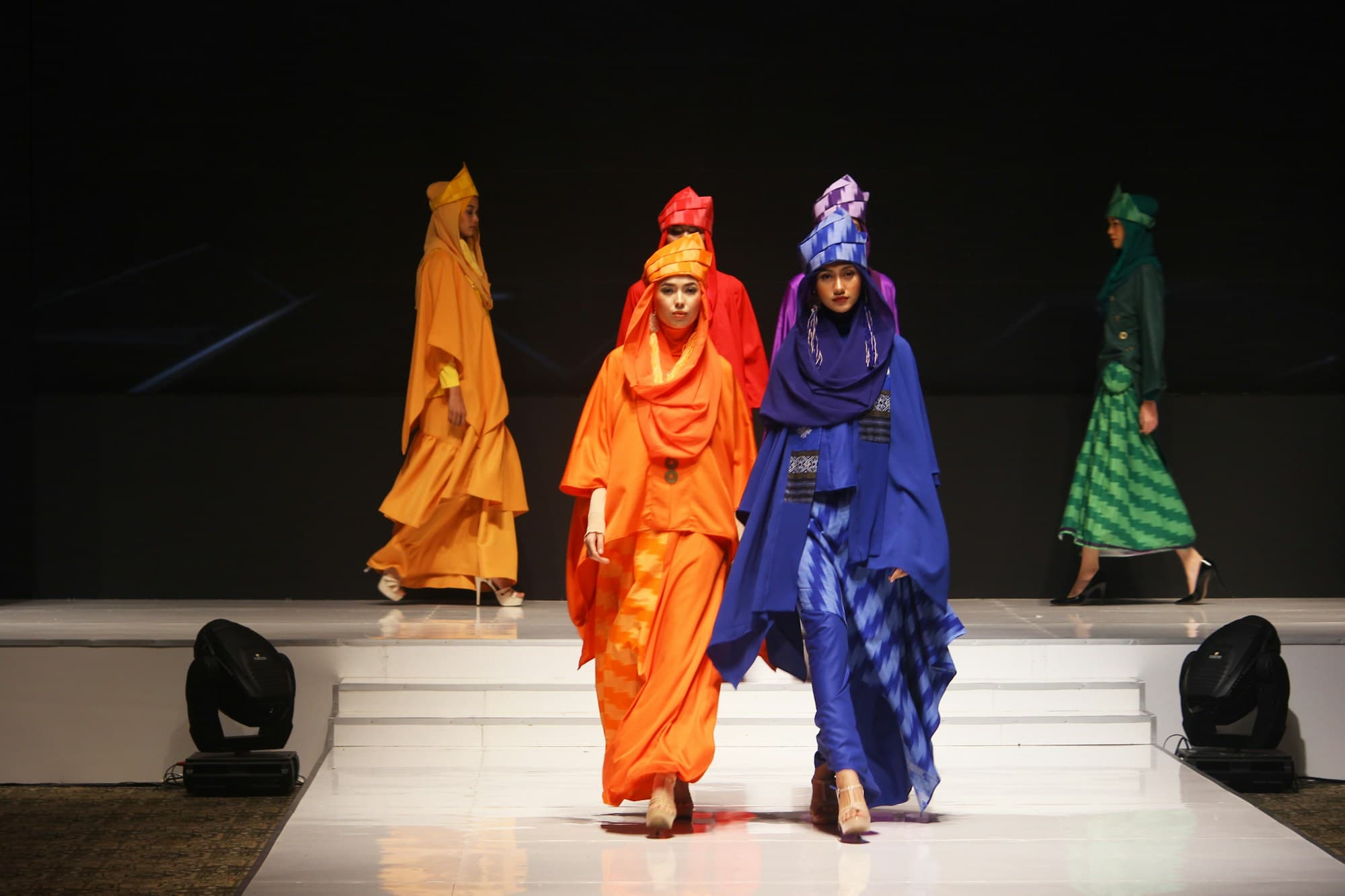
Today, a younger generation of royal designers is taking this legacy onto international fashion weeks. Designers like Princess Mrinalika and Princess Akshita Bhanj Deo of Mayurbhanj, and Priyadarshini Raje Scindia of Gwalior, are collaborating with contemporary fashion houses, bringing Chanderi weaves, Mayurbhanj handlooms, and ancestral tribal arts into dialogue with modern streetwear, resort fashion, and red-carpet couture.
Their work demonstrates that the royal fashion empire is not a backward-looking exercise in nostalgia. It is an evolving, dynamic design vocabulary that speaks with equal eloquence in a Rajasthani palace courtyard and an art gallery in Milan.
The Royal Gallerys Perspective
The rise of the royal fashion enterprise is proof that true style is never just about clothing; it is about cultural authority. By converting their ancestral textile archives into living economic enterprises, India's royal women have ensured the survival of the subcontinent's most precious artisanal crafts.
In doing so, they have redefined the very meaning of the maharani for the modern age: not a passive symbol of inherited privilege, but an active architect of sustainable, world-class luxury.
THE ROYAL GALLERYS is the international magazine for heritage, culture and luxury — documenting the people, places and ideas shaping the worlds of royalty, jewellery, design, travel and contemporary life. Our editorial authority rests on deep engagement with India's cultural ecosystem and a commitment to telling the stories that matter.
For editorial inquiries, story proposals, and partnership discussions, contact our editors at hey.theroyalgallerys@gmail.com.
Kavita Singhal
Fashion & Luxury Critic. THE ROYAL GALLERYS is the international magazine for heritage, culture and luxury — editorial authority on the people, places and ideas shaping our world.
Part of People
This article is part of THE ROYAL GALLERYS People section — our international editorial destination for people, heritage and luxury.
Explore All People Stories →