Why the Story Is the Product
In a market saturated with product, the story is the differentiator. A luxury good is, at its core, a meaning that happens to have a physical form — a watch, a garment, a hotel room — and the meaning is conveyed through narrative. This is why the world's great luxury houses invest so heavily in their origin stories, and why a brand without a credible narrative struggles to command premium pricing regardless of its product quality.
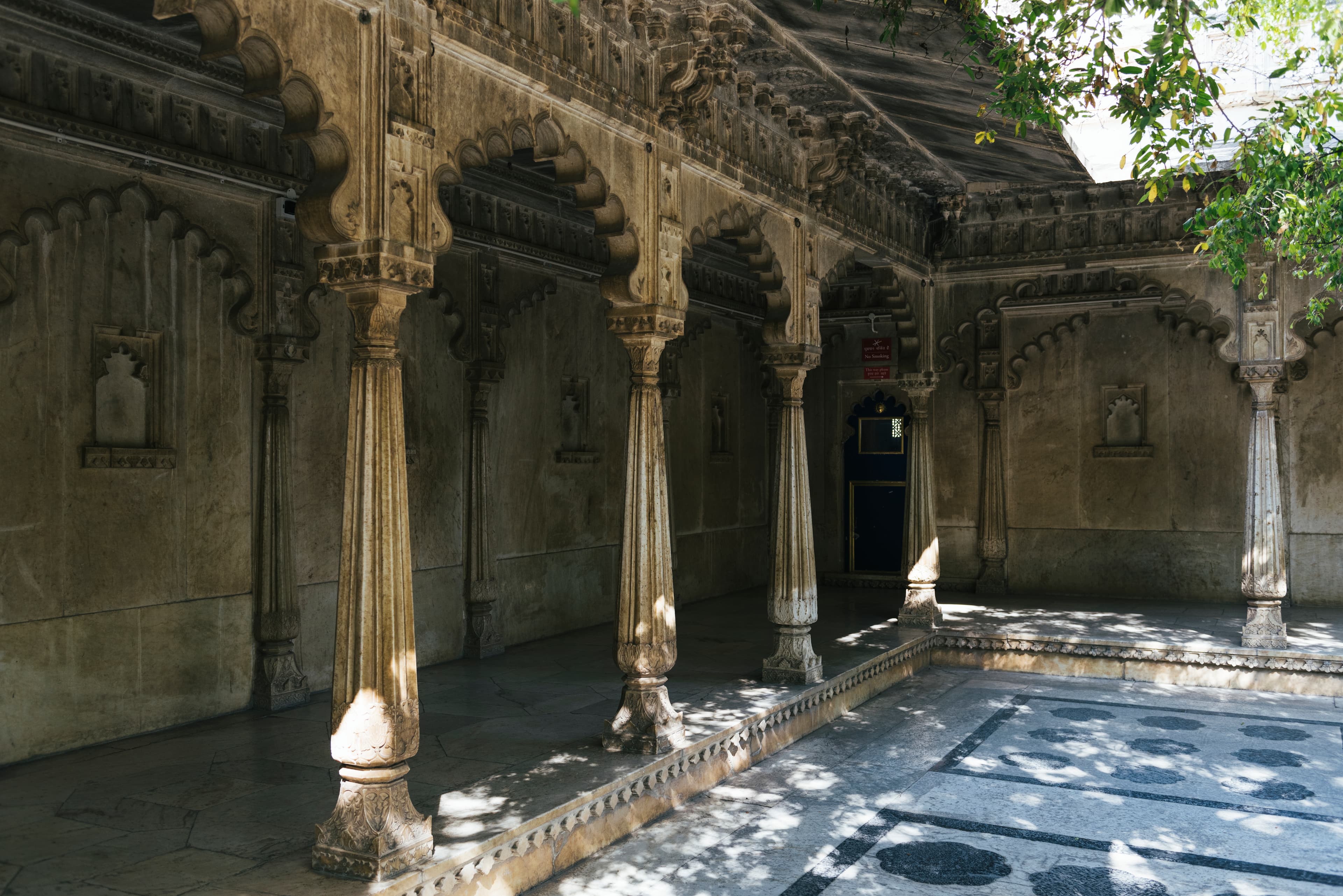
India's royal heritage is a storytelling resource of almost unmatched depth. It offers lineage, architecture, craft, patronage, ceremony and aesthetic continuity — the raw material from which the most compelling luxury narratives in the world have been built. But that very depth makes it dangerous to handle casually. A story borrowed badly reads as appropriation; a story earned through genuine engagement reads as authority. The distance between the two is the subject of this playbook.
“A story borrowed badly reads as appropriation; a story earned through genuine engagement reads as authority.”
The Authenticity Test: Belonging vs. Borrowing
The single question that separates credible heritage storytelling from appropriation is one of belonging: does the brand have a genuine connection to the story it is telling, or is it merely decorating itself with the story's aesthetic? A brand that has commissioned a craft community for a decade belongs to that craft's story. A brand that prints a paisley motif on a t-shirt and calls it 'royal' is borrowing, and its audience will eventually notice.
Genuine connection can take many forms. It can be archival — a jewellery house whose records document commissions for a princely court. It can be artisanal — a fashion house that works directly with the embroidery ateliers whose techniques originated in royal workshops. It can be institutional — a hospitality brand that has invested in restoring a heritage property rather than merely acquiring one. The common thread is that the connection is verifiable, ongoing and specific.
The authenticity test is not abstract. Consumers, particularly the digitally native Indian luxury consumer, are sophisticated readers of brand narrative. They can distinguish a genuine provenance from a marketing invention, and the cost of being caught inventing is severe — not a single campaign's failure but the erosion of the trust on which all luxury pricing depends.
Where Genuine Provenance Comes From
Provenance is not something a brand declares; it is something a brand accumulates through concrete action. The brands with genuine heritage stories have, almost without exception, earned them through one of three channels.
First, the archive. Royal courts and princely families kept meticulous records — commissions, correspondences, inventories. Brands with access to such archives, whether through family lineage or institutional partnership, possess a documentation of authenticity that no competitor can invent.
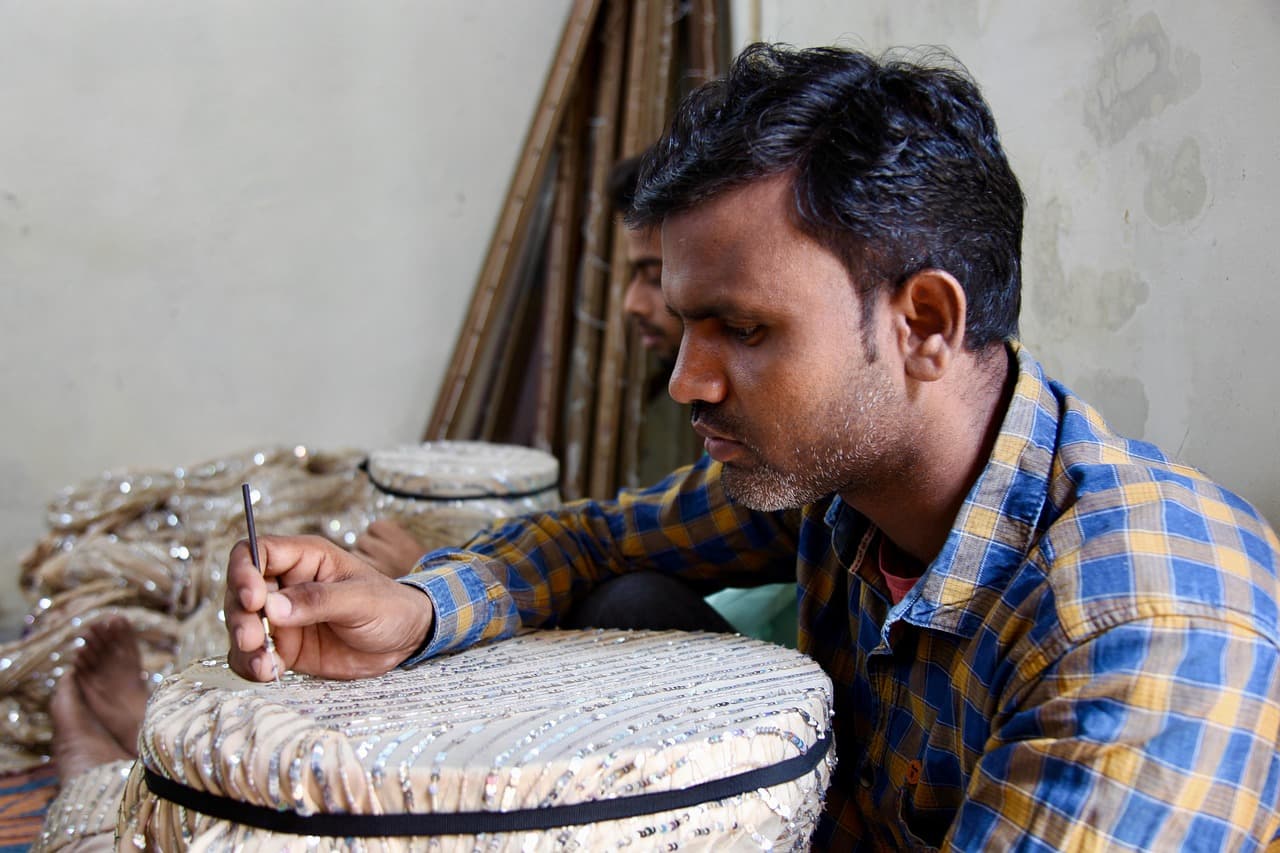
Second, the atelier. India's craft traditions — embroidery, gem-setting, weaving, metalwork — were largely incubated within royal patronage. Brands that work directly with these craft communities, compensating them fairly and crediting them visibly, build a provenance that is both authentic and ethically sound.
Third, the institution. Restoration and preservation of heritage — whether a palace, a textile tradition or a building technique — is itself a form of belonging. A brand that has put resources into sustaining heritage has earned the right to speak about it.
The common failure is the brand that does none of these and instead purchases a veneer of heritage through imagery and vocabulary. It is a shortcut to a story that does not belong to it, and it rarely survives contact with an informed audience.
“Provenance is not something a brand declares; it is something a brand accumulates through concrete action.”
Building the Credible Narrative
Once a brand has a genuine connection, the craft of storytelling begins. The most effective heritage narratives share a structure: an origin rooted in real history, a craft or lineage carried forward, and a present-tense relevance that connects the story to the contemporary consumer.
Origin is the foundation. A credible narrative locates the brand in a specific place, time and tradition — not a vague 'inspired by Indian royalty' but a precise lineage that can be examined. Craft is the continuity. The story must show the heritage as living, not archival — carried forward by named artisans, ongoing commissions and evolving technique. Relevance is the destination. The story must answer why this heritage matters to the consumer today, not merely assert that it is old.
Editorial media is the natural home for this kind of narrative. Unlike advertising, which asserts, editorial demonstrates — it places the story in a context of reporting, analysis and taste, where the reader encounters it as information rather than promotion. This is precisely why luxury brands seeking to build heritage authority invest in editorial relationships before performance campaigns.

The Royal Gallerys Perspective
THE ROYAL GALLERYS has built its editorial identity around this exact discipline: telling the stories of India's royal and cultural heritage with the accuracy and respect the subject demands, while making those stories meaningful to a contemporary, internationally minded readership.
We believe the brands that will define the next era of Indian luxury are those that treat heritage not as a costume but as a commitment — that document their provenance, credit their craftspeople, and tell stories that can withstand scrutiny. For those brands, we offer a credible editorial environment in which those stories reach the audience that values them most. The alternative — a borrowed story, a superficial motif, a heritage claimed but not earned — is visible from a distance, and it is exactly the kind of story we decline to publish.
THE ROYAL GALLERYS is the international magazine for heritage, culture and luxury — documenting the people, places and ideas shaping the worlds of royalty, jewellery, design, travel and contemporary life. Our editorial authority rests on deep engagement with India's cultural ecosystem and a commitment to telling the stories that matter.
For editorial inquiries, story proposals, and partnership discussions, contact our editors at hey.theroyalgallerys@gmail.com.
The Royal Gallerys Editorial
Heritage & Luxury Correspondent. THE ROYAL GALLERYS is the international magazine for heritage, culture and luxury — editorial authority on the people, places and ideas shaping our world.
Part of Royalty
This article is part of THE ROYAL GALLERYS Royalty section — our international editorial destination for royalty, heritage and luxury.
Explore All Royalty Stories →