Patronage: The Original Luxury Endorsement
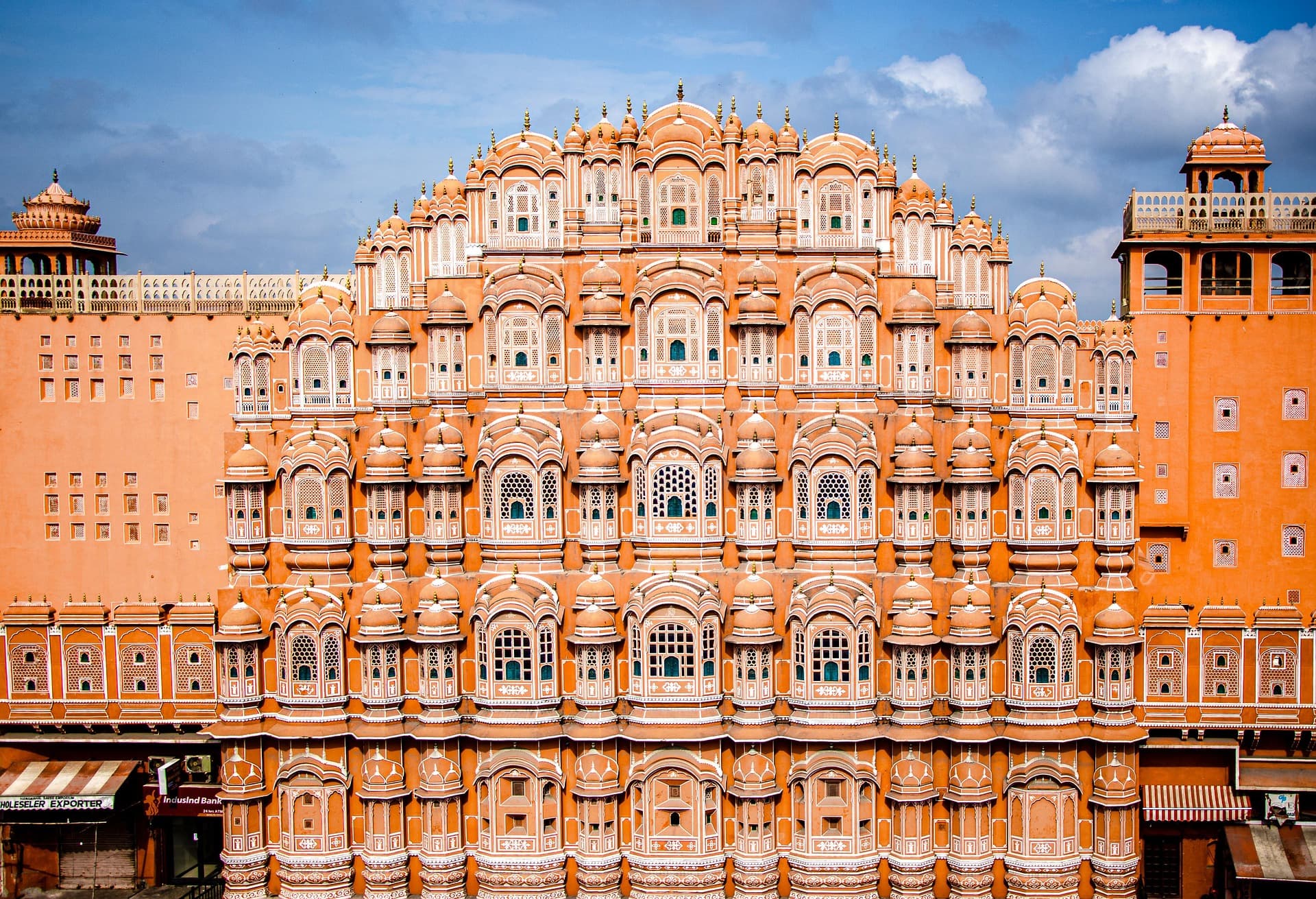
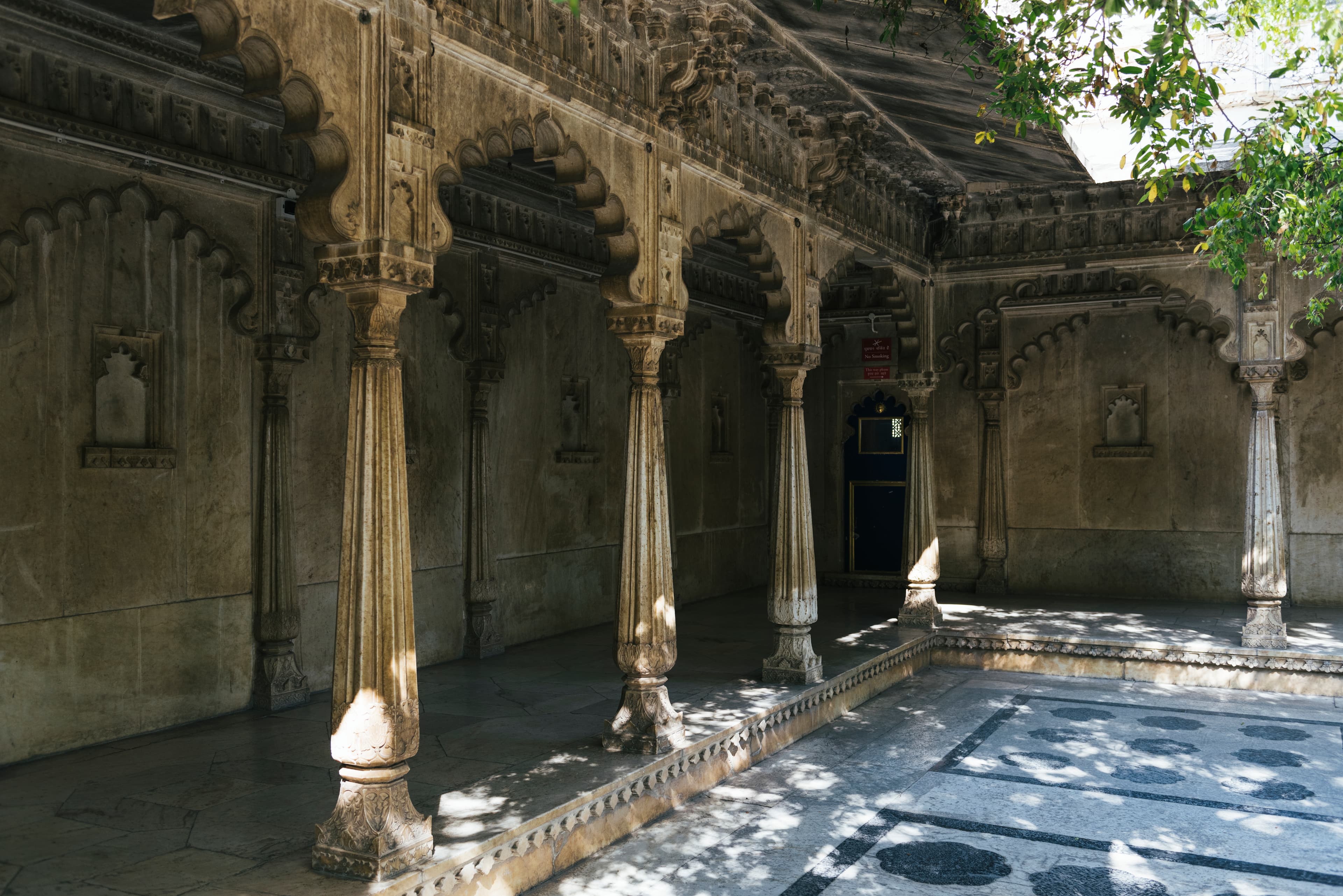
Long before there were brand ambassadors, there was royal patronage. The Maharajas and Maharanas of India's princely states were not merely wealthy collectors; they were the taste-makers and commissioners whose patronage defined what was considered beautiful, valuable and worthy. The courts of Jaipur, Udaipur, Hyderabad, Mysore and Baroda commissioned jewellery, textiles, painting, architecture and music on a scale and at a quality that effectively functioned as the luxury market of its era.
That legacy still operates. When a contemporary brand is seen to carry the endorsement of a royal family, or to draw from the collections and commissions of a princely court, it gains an authority that influencer marketing cannot replicate. Royal endorsement is scarce, inherited and therefore credible in a way that paid promotion is not. It signals that the brand has been admitted into a circle of taste that predates modern commerce.
For luxury brands, the strategic question is not whether royal heritage is valuable — it self-evidently is. The question is how to engage it without appropriation. The distinction between borrowing and belonging is where most brands succeed or fail.
The Palace Economy: Heritage as Operating Business
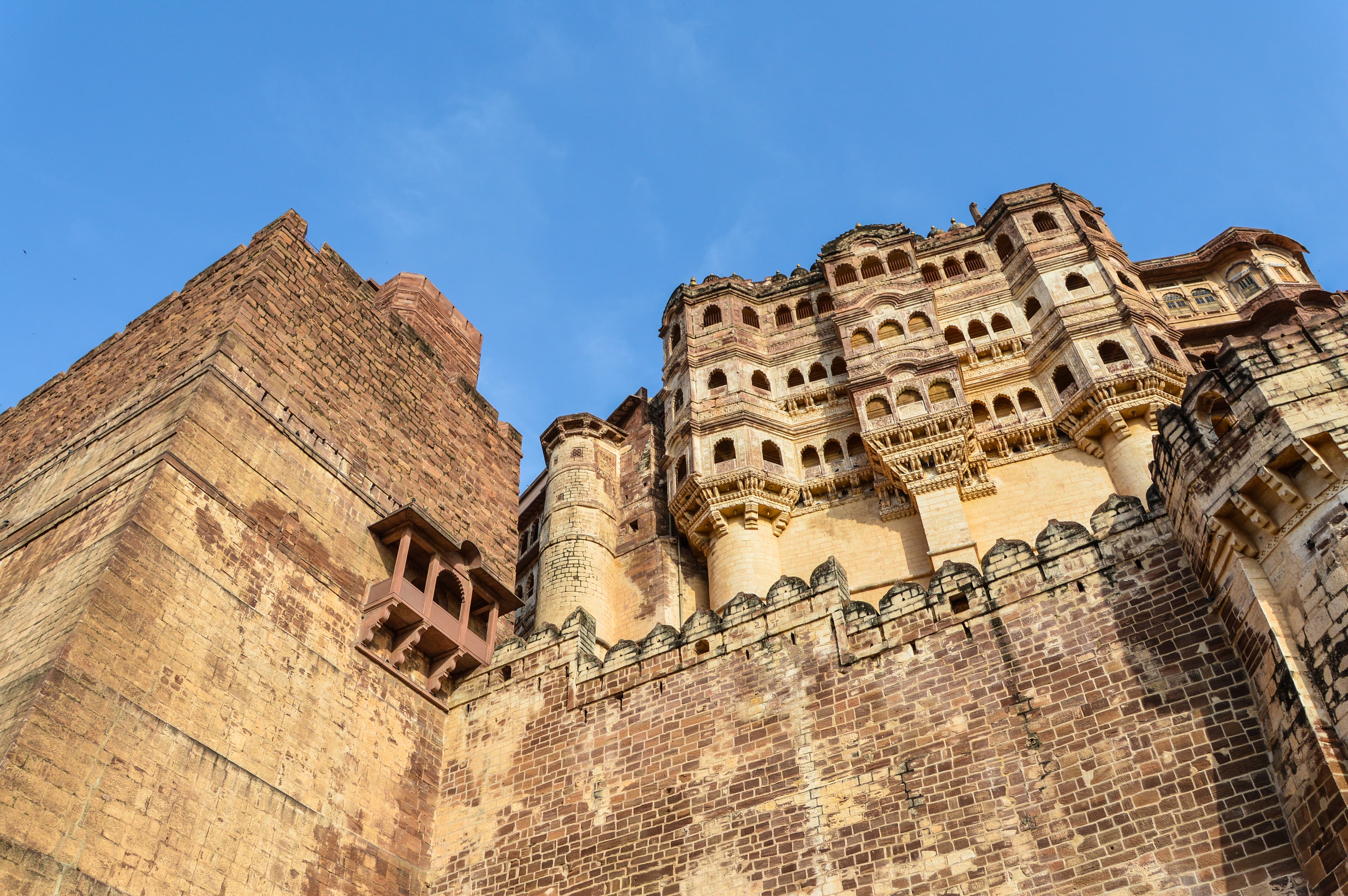
India's royal heritage is not confined to museums. It is an active, revenue-generating economy. The palace hotels of Rajasthan — converted royal residences managed by groups like Taj, Oberoi and Roseate — consistently rank among the world's most celebrated heritage properties. They do not merely survive as curiosities; they outperform. The Oberoi Amarvilas, built to face the Taj Mahal, and the Taj Lake Palace in Udaipur, accessible only by boat, achieve rates and occupancy that conventional luxury hotels struggle to match.
This matters for luxury brands far beyond hospitality. The palace economy proves a broader commercial principle: that Indian heritage, when professionally managed, converts directly into premium pricing and global demand. The same logic applies to jewellery houses with royal archives, fashion ateliers reviving court embroidery, and hospitality brands building destinations around living palaces.
The palace economy is also a distribution channel. These properties host the very HNW and UHNW audiences that luxury brands pay dearly to reach — through destination weddings, private events, and cultural programmes. A brand that participates in this ecosystem, rather than advertising to it from outside, acquires relevance among an audience that is otherwise expensive and difficult to reach.
“The heritage premium is the single most under-leveraged asset in the Indian luxury market.”
Cultural Authority: The Asset Advertising Cannot Buy
Advertising can buy attention. It cannot buy authority. Authority is earned through consistent, credible association with the cultural institutions that an audience already respects — and in India, the deepest well of that respect is the royal and heritage world.
This is why editorial media, rather than paid media, is the natural vehicle for heritage-aligned luxury. A brand appears in a credible publication's story about Udaipur's palace heritage, and the publication's authority transfers to the brand. The reader encounters the brand not as a transaction but as part of a world they already admire.
For decision-makers — the hotel marketers, jewellery houses, fashion brands and agencies considering India — the implication is clear. The most valuable marketing investment in the Indian luxury market is not another performance campaign. It is the cultivation of genuine cultural association: the right stories, in the right editorial contexts, reaching the right audience. Authority compounds. Visibility does not.
The Royal Gallerys Perspective
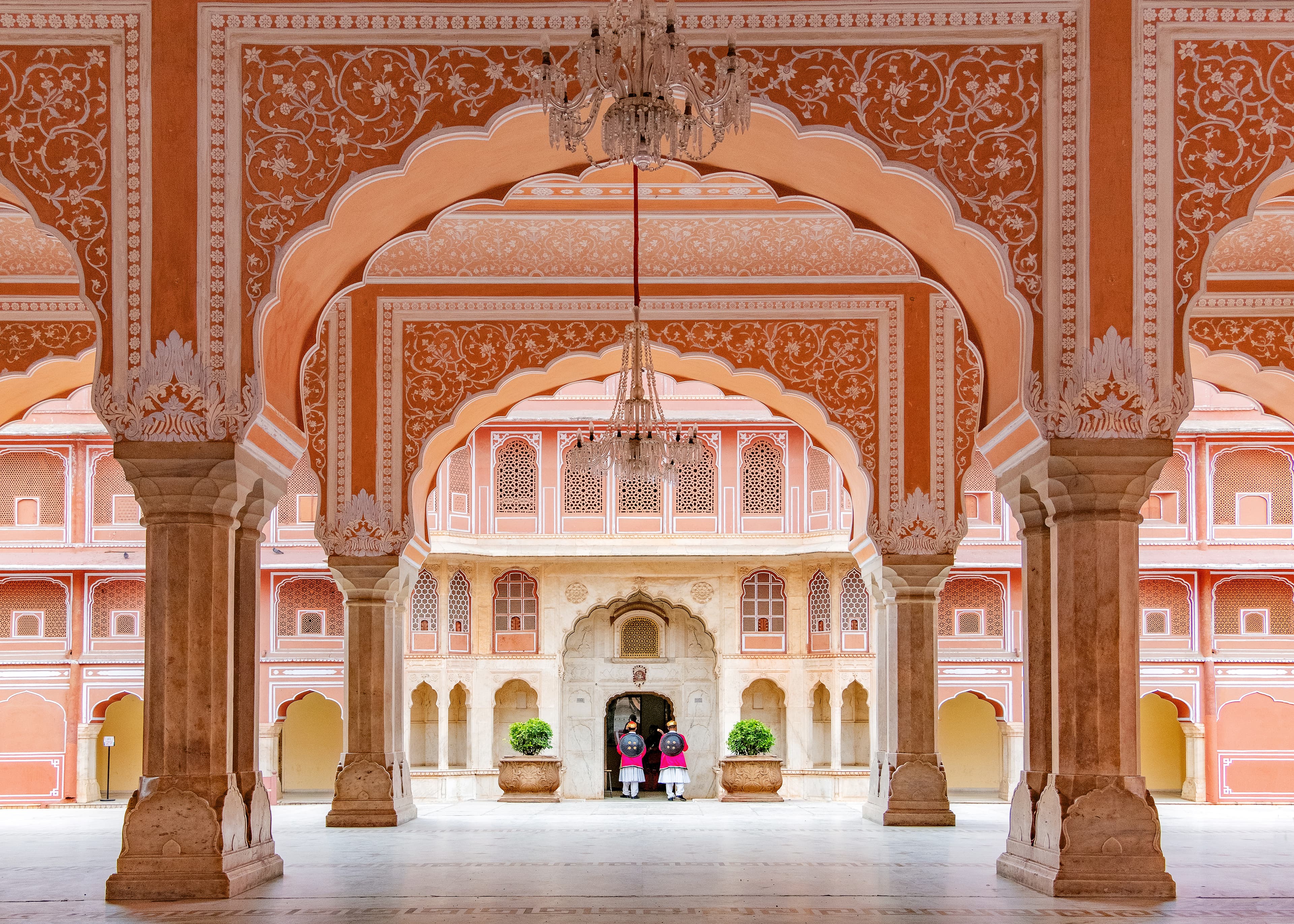
THE ROYAL GALLERYS exists at the exact intersection where this opportunity lives — between India's royal and cultural heritage and the contemporary luxury economy that draws upon it. We document the palaces, the lineage, the patronage and the craft, and we explain to the decision-makers who read us why these assets matter commercially.
The brands that will succeed in India's luxury market over the next decade are not necessarily the biggest spenders. They are the brands that understand that India's royal heritage is not decoration but foundation — that the market's entire architecture of taste was built by the courts, and that engaging it credibly is the surest path to the authority that converts into commercial value. That understanding is not a marketing tactic. It is a worldview, and it is the one we publish.
THE ROYAL GALLERYS is the international magazine for heritage, culture and luxury — documenting the people, places and ideas shaping the worlds of royalty, jewellery, design, travel and contemporary life. Our editorial authority rests on deep engagement with India's cultural ecosystem and a commitment to telling the stories that matter.
For editorial inquiries, story proposals, and partnership discussions, contact our editors at hey.theroyalgallerys@gmail.com.
The Royal Gallerys Editorial
Heritage & Luxury Correspondent. THE ROYAL GALLERYS is the international magazine for heritage, culture and luxury — editorial authority on the people, places and ideas shaping our world.
Part of Royalty
This article is part of THE ROYAL GALLERYS Royalty section — our international editorial destination for royalty, heritage and luxury.
Explore All Royalty Stories →