The Archival Garment as Living Reference
In the textile archives of India's royal families — carefully preserved in palace storerooms, museum collections, and private family holdings — lies an extraordinary record of Indian dressing traditions spanning several centuries. These are not merely historical artefacts. They are active references for contemporary designers, stylists, and fashion-conscious individuals who draw from this deep well of aesthetic knowledge to inform how they dress today.
The royal wardrobes of Rajasthan, Hyderabad, Mysore, and other princely states contain garments of staggering quality and sophistication. Benarasi silk saris woven with real gold thread. Muslin so fine it was called 'woven air' by European travellers encountering it for the first time. Embroidered coats and angarkhas that required years of work by master craftsmen. Jewelled turbans and ceremonial sashes. Each piece represents not only extraordinary material wealth but also an entire ecosystem of craft knowledge, aesthetic judgement, and cultural meaning.
Contemporary Indian designers regularly consult these archives. They study the colour combinations, the textile pairings, the embroidery placements, the proportions. They absorb not the literal forms — though those sometimes appear as direct references — but the underlying principles: the Indian understanding of ornament, the relationship between garment and jewellery, the importance of textile quality over decorative excess, and the central role of occasion in determining dress.
“The colours of Indian royal garments were never arbitrary. They were chosen with careful attention to season, occasion, time of day, and cultural significance.”
Ceremonial Dressing and the Modern Wardrobe
One of the most distinctive features of Indian royal dressing traditions is the concept of ceremonial dressing — the idea that certain occasions demand a heightened level of attention to clothing, jewellery, and personal presentation. This tradition, refined over centuries in the courts of maharajas and maharanis, has not disappeared with the end of princely rule. It has transformed into a broader cultural expectation that continues to shape Indian fashion consumption.
The Indian wedding remains the most visible expression of this ceremonial dressing tradition. But it extends far beyond weddings. Festivals, religious observances, milestone celebrations, and significant social events all carry dress codes that, while less formalised than in the past, still reflect the deep-rooted cultural understanding that clothing communicates respect, joy, and participation in shared cultural life.
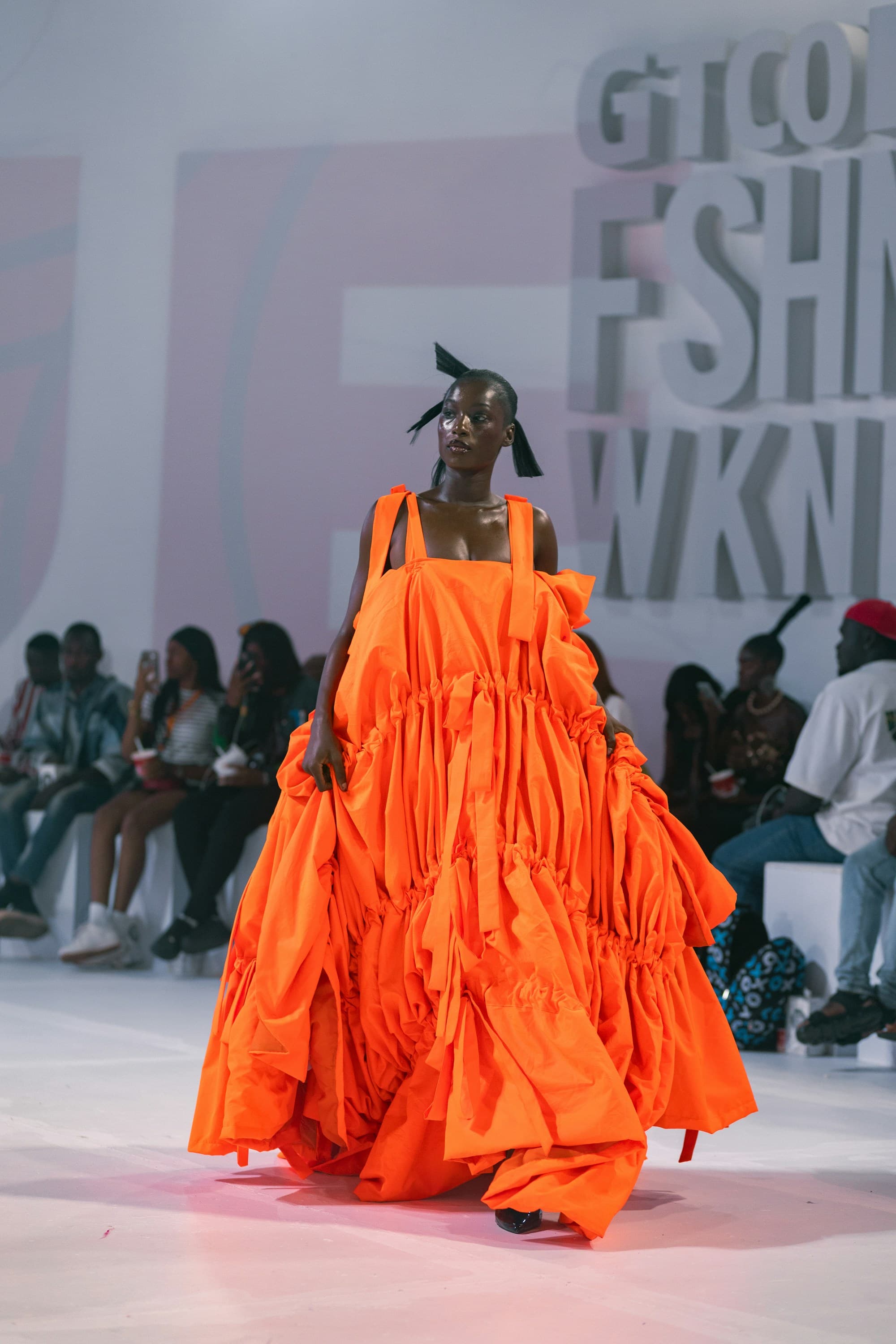
For luxury fashion brands — both Indian and international — this cultural context creates opportunities that do not exist in the same way in Western markets. The Indian consumer's wardrobe includes categories of clothing that have no direct equivalent in European or American fashion: the wedding guest ensemble, the festival outfit, the reception look, the pre-wedding function wardrobe. Each category represents a distinct purchasing occasion with its own aesthetic requirements, price expectations, and creative possibilities.
Jewellery: The Royal Legacy in Adornment
No discussion of Indian royal dressing can be complete without addressing jewellery, which has historically been as important as clothing — and often more valuable — in the Indian luxury tradition. The royal collections of India, from the legendary jewels of the Nizam of Hyderabad to the magnificent pieces created for the maharajas of Rajasthan, represent some of the finest jewellery ever produced anywhere in the world.
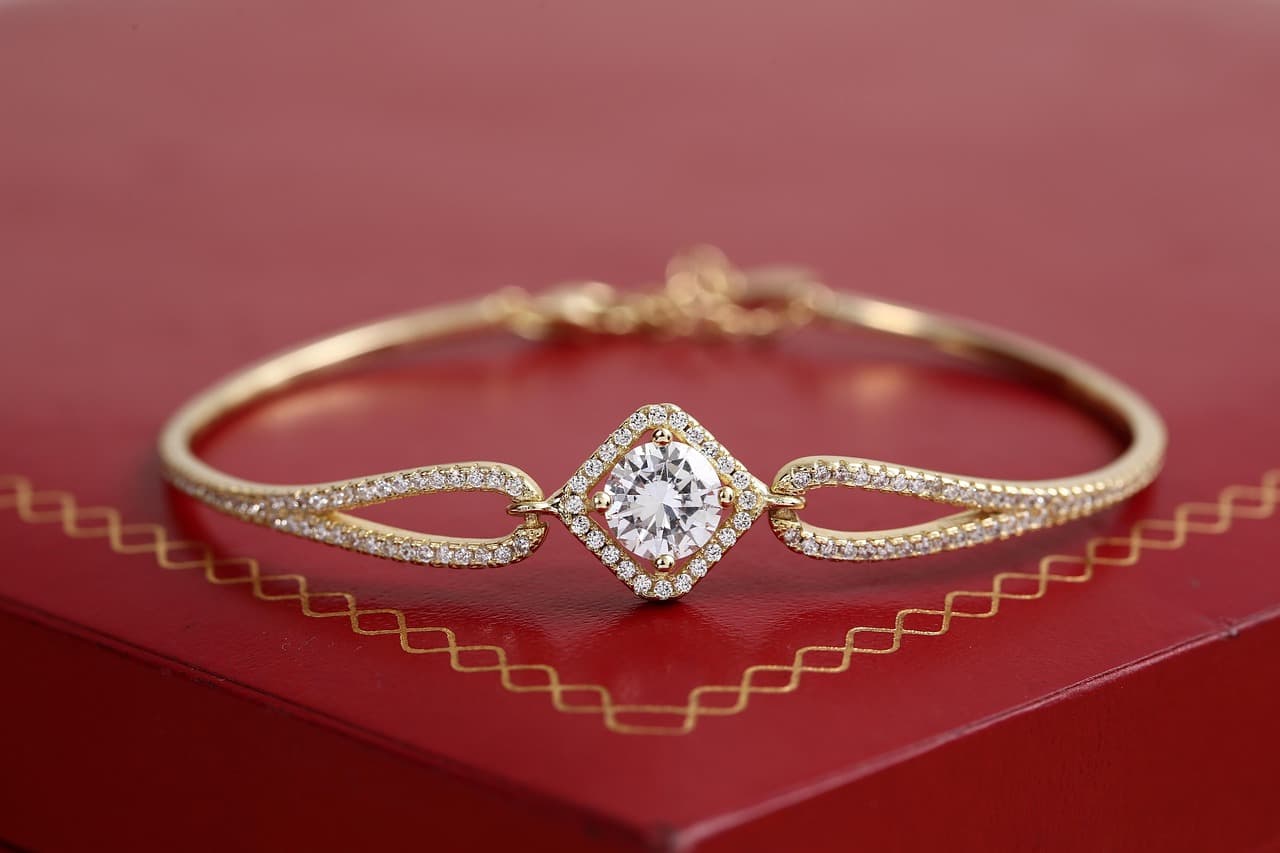
The influence of royal jewellery on contemporary Indian fashion is profound. The traditional jewellery forms — the kundan setting technique, the polki uncut diamond style, the jadau enamelling process, the temple jewellery of South India — continue to be produced by skilled artisans and worn by contemporary women for significant occasions. These are not costume pieces or fast-fashion imitations. They are genuine fine jewellery, often custom-made, representing significant investments and carrying deep cultural and family meanings.
Contemporary jewellery designers are engaging with this heritage in sophisticated ways. Some work within the traditional forms, producing pieces that would be recognisable to a nineteenth-century maharani but that feel completely appropriate on a twenty-first-century woman. Others abstract the traditional elements — the colour combinations, the stone-cutting techniques, the setting styles — into modern pieces that reference heritage without reproducing it. Both approaches demonstrate the continuing vitality of India's jewellery traditions.
“The Indian consumer's wardrobe includes categories of clothing that have no direct equivalent in Western fashion.”
The Colour Intelligence of Indian Royal Dressing
Indian royal dressing traditions developed an extraordinarily sophisticated colour vocabulary — one that contemporary fashion is only beginning to fully appreciate and utilise. The colours of Indian royal garments were never arbitrary. They were chosen with careful attention to the season, the occasion, the time of day, the wearer's complexion, and the cultural and religious significance of specific hues.
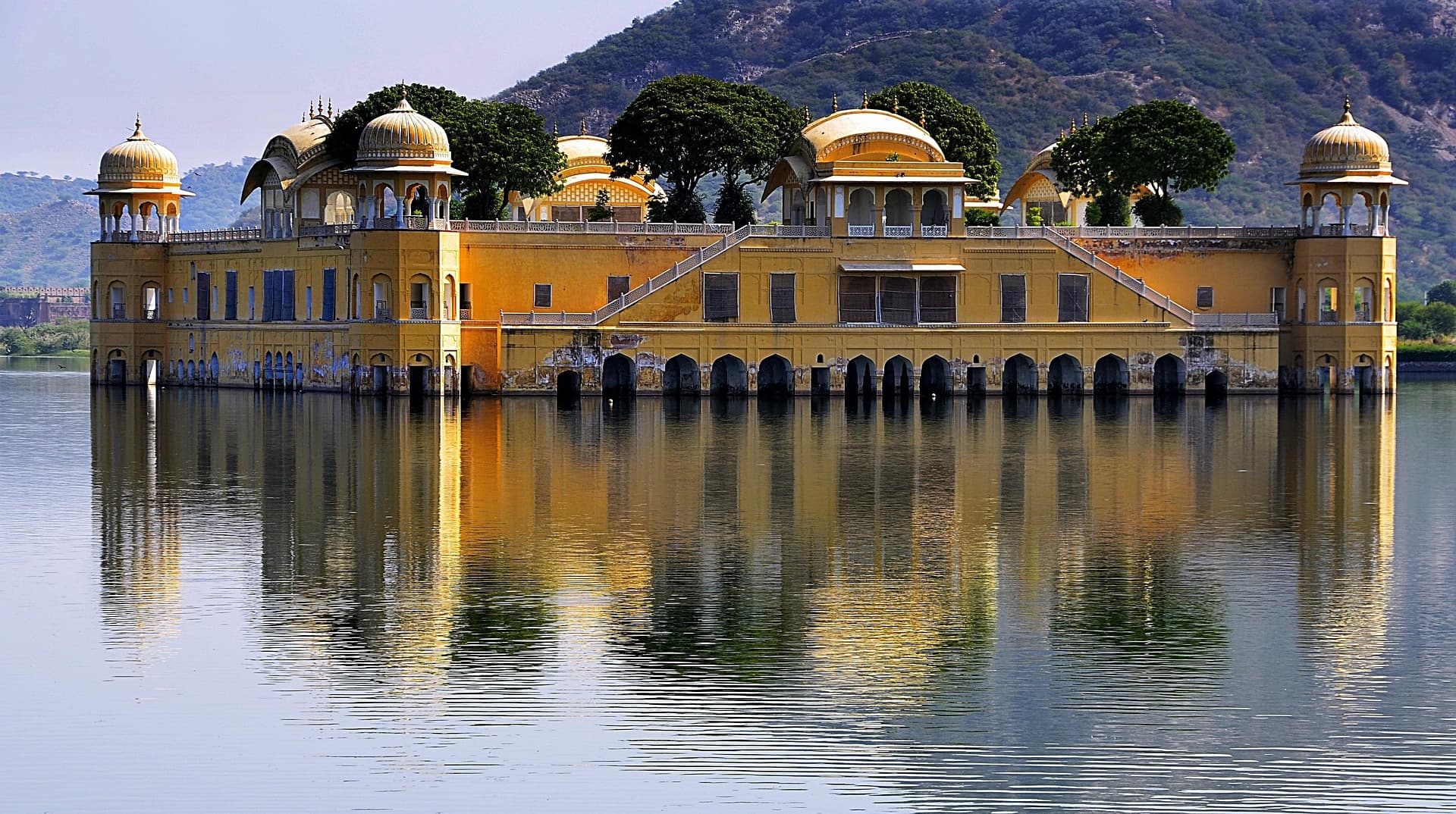
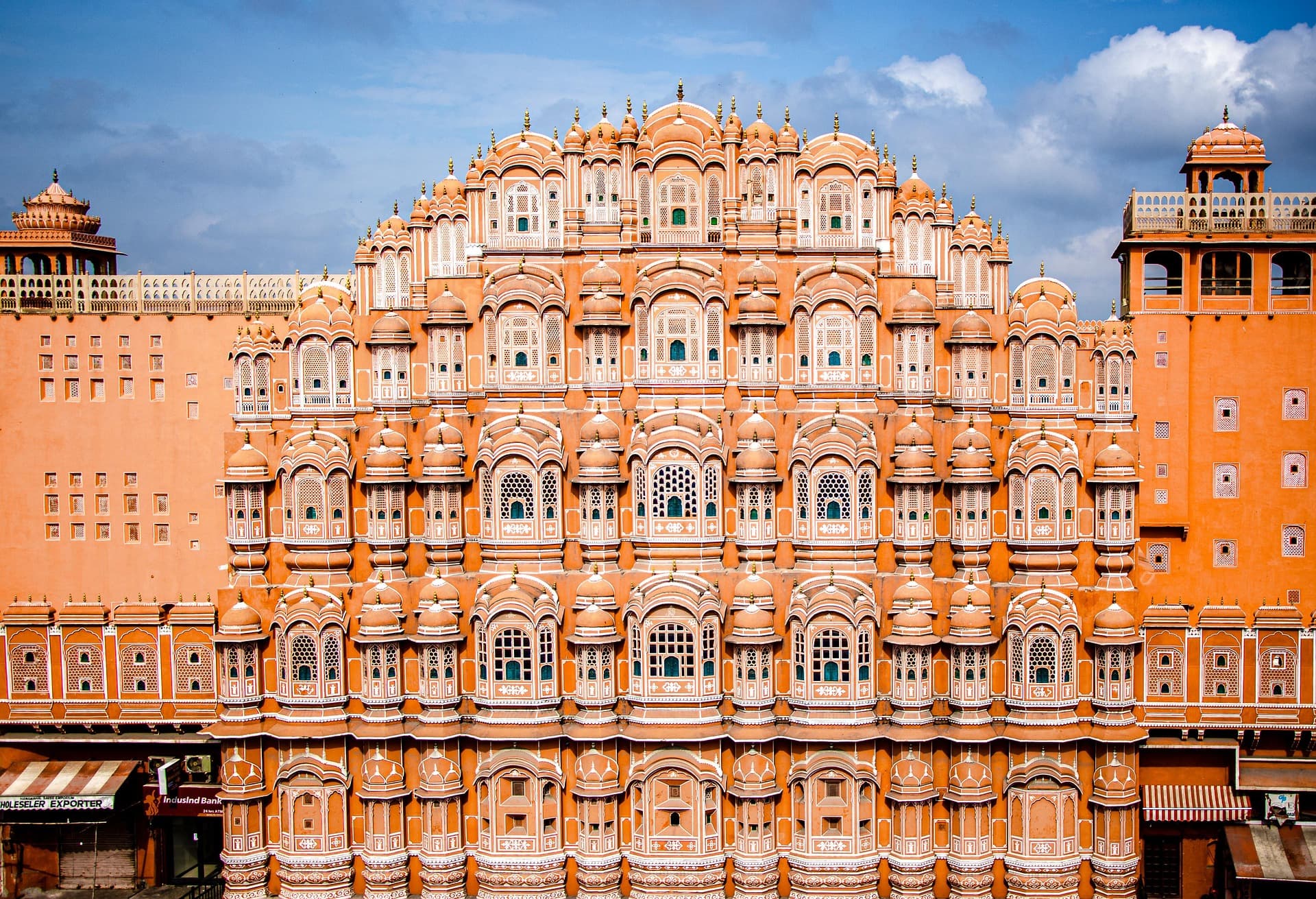
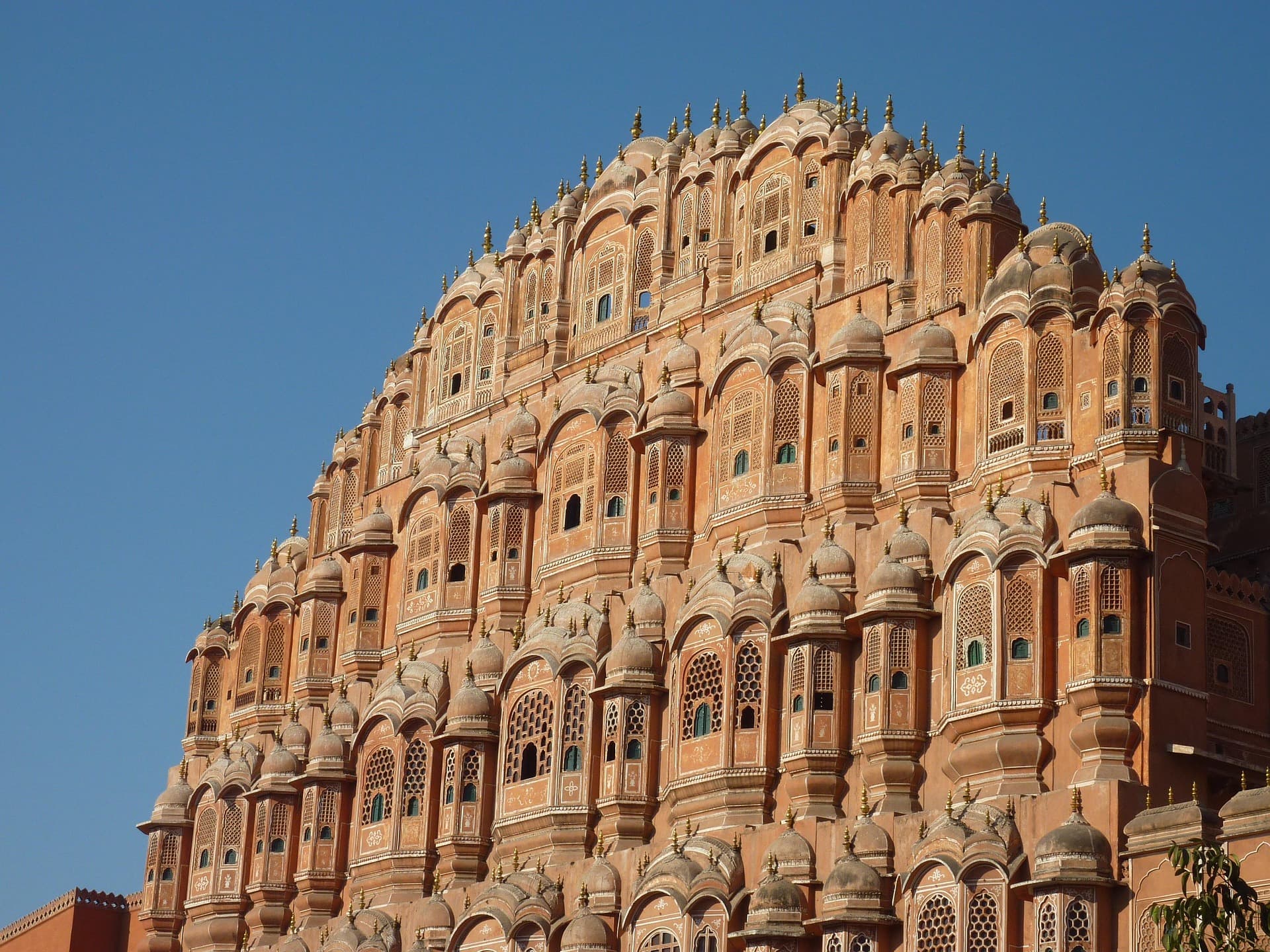
The pinks of Jaipur — the famous 'pink city' colour derived from the local sandstone — influenced an entire palette of rose, blush, and terracotta tones that appear regularly in Rajasthani royal wardrobes. The deep indigos of Jodhpur, derived from the region's historic indigo trade, created a tradition of blue dressing that continues to influence contemporary designers. The saffrons, ochres, and golds associated with religious and royal ceremony carry meanings that extend far beyond the aesthetic.
This colour intelligence — this understanding that colour carries meaning and that specific hues can communicate cultural belonging, occasion-appropriateness, and personal sophistication — is one of the most valuable legacies of Indian royal dressing traditions. It informs how Indian consumers approach colour in fashion, and it offers international brands a rich creative vocabulary if they are willing to engage with it thoughtfully.
The Modern Royal: Heritage Dress in Contemporary Life
The members of India's former royal families who remain active in public life face a unique sartorial challenge: how to honour and continue their family's dressing traditions while functioning in a contemporary world of boardrooms, international travel, media appearances, and global social networks. Their solutions to this challenge offer a fascinating case study in how heritage dress can remain relevant and vital in the twenty-first century.
Many have found a sophisticated balance. Traditional garments appear for family events, religious ceremonies, and cultural occasions — worn with the ease of people for whom such clothing is not costume but heritage. For professional and international contexts, they often choose contemporary clothing that incorporates heritage elements subtly: a bandhgala jacket in a modern cut, a sari in an unexpected fabric, jewellery that references traditional forms but in contemporary settings.
This approach — heritage without costume, tradition without rigidity — has influenced a much broader group of fashion-conscious Indians who look to these figures as style references. It has also created a market for designers who can navigate the space between tradition and modernity with sophistication, producing clothing that honours heritage while functioning in contemporary life.
THE ROYAL GALLERYS is the international magazine for heritage, culture and luxury — documenting the people, places, and ideas shaping the worlds of fashion, jewellery, design, and contemporary style. Our editorial authority rests on deep engagement with India's cultural ecosystem and a commitment to telling the stories that matter.
For editorial inquiries, story proposals, and partnership discussions, contact our editors at hey.theroyalgallerys@gmail.com.
The Royal Gallerys Editorial
Heritage & Fashion Correspondent. THE ROYAL GALLERYS is the international magazine for heritage, culture and luxury — editorial authority on the people, places and ideas shaping our world.
Part of Style
This article is part of THE ROYAL GALLERYS Style section — our international luxury fashion editorial destination.
Explore All Style Stories →