Where Jewellery, Fashion, and Heritage Converge
In the Indian luxury tradition, jewellery has never been merely an accessory. It has been central to the conception of dress — often more important, more valuable, and more carefully considered than the clothing it accompanies. This primacy of jewellery within the Indian luxury hierarchy has shaped a distinctive approach to personal adornment that continues to influence contemporary fashion and luxury consumption.
In the royal courts of India, jewellery was both personal ornament and institutional asset. The great jewellery collections of the maharajas — the Nizam of Hyderabad's legendary jewels, the Patiala necklace created by Cartier, the treasury pieces of the Mewar dynasty — were simultaneously objects of extraordinary beauty, repositories of dynastic wealth, and expressions of political and cultural authority. This multi-dimensional understanding of jewellery — as beauty, as asset, as statement of identity — persists in Indian luxury culture today.
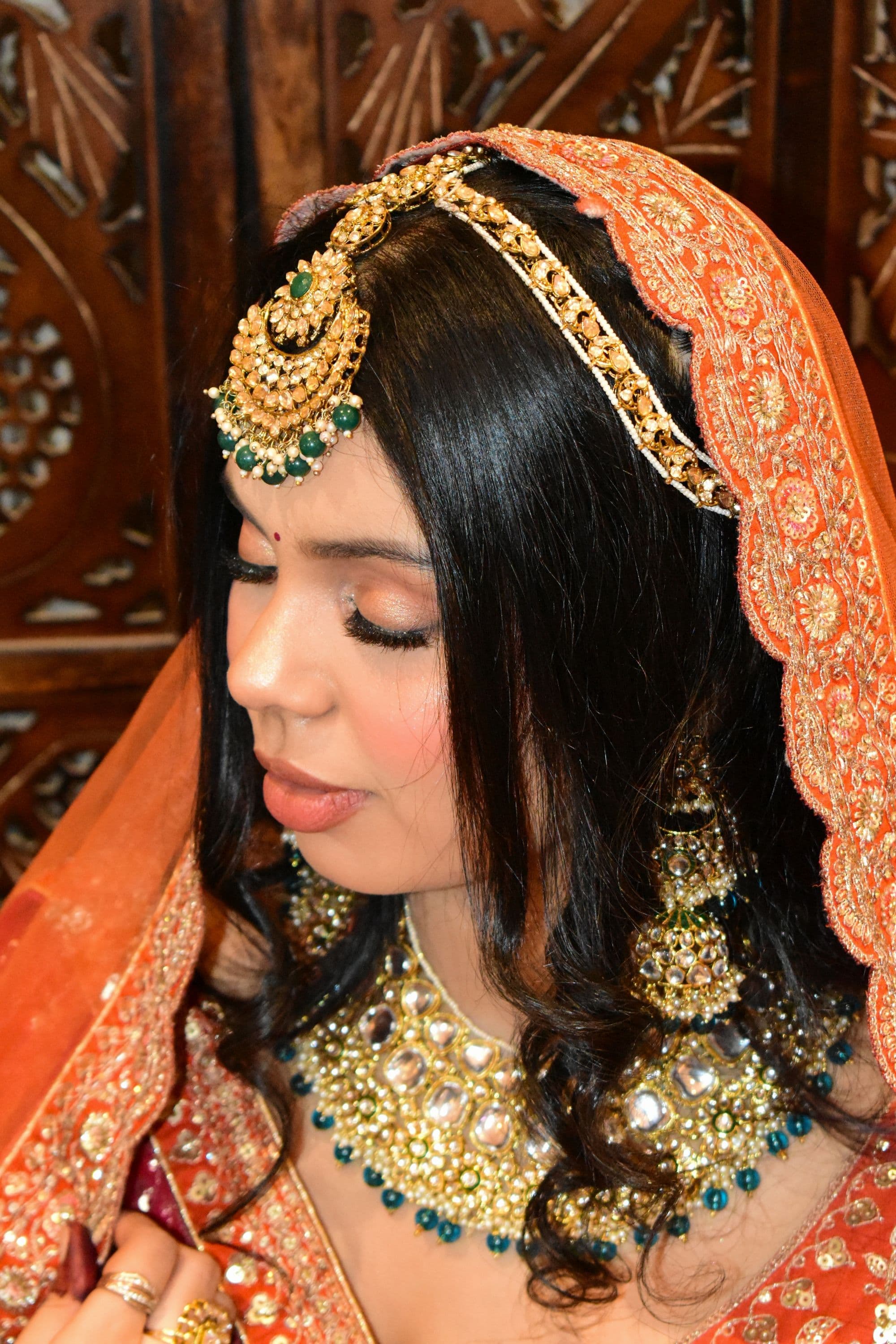
Contemporary Indian fashion cannot be understood without understanding its relationship to jewellery. A bridal lehenga is designed with the jewellery it will be worn with in mind. A sari's border and pallu create a frame for the necklace and earrings that will accompany it. Colour choices in clothing are made with reference to the gold, diamonds, or coloured stones that will complete the look. The garment and the jewellery are not separate purchases — they are components of a single aesthetic conception.
“In the Indian luxury tradition, jewellery has never been merely an accessory. It has been central to the conception of dress.”
The Contemporary Jewellery Landscape: Tradition, Innovation, and Global Ambition
India's contemporary jewellery landscape is extraordinarily diverse, encompassing everything from traditional family jewellers who have served the same communities for generations to cutting-edge contemporary designers showing at international fairs and attracting global clientele.
At the traditional end, the great jewellery families of India — many with histories dating back centuries to their roles as court jewellers to princely states — continue to produce work of extraordinary quality. Their ateliers preserve and practice techniques that have been refined over generations: kundan setting, in which gemstones are set in hyper-purified gold foil rather than metal claws; jadau, the art of enamelling the reverse of jewelled pieces with intricate designs; polki, the use of uncut diamonds in their natural form; and navratna, the arrangement of nine specific gemstones in prescribed patterns with astrological significance.
At the contemporary end, a new generation of jewellery designers is engaging with Indian traditions in innovative ways. They are abstracting traditional forms, experimenting with unconventional materials, and creating pieces that function as contemporary design objects while referencing Indian jewellery heritage. Designers like Hanut Singh, who creates delicate, Mughal-inspired pieces with contemporary sensibility; Viren Bhagat, whose work is collected internationally; and Sabyasachi's jewellery line, which brings the designer's distinctive aesthetic vision to fine jewellery — these represent an Indian jewellery tradition that is confident, creative, and globally competitive.
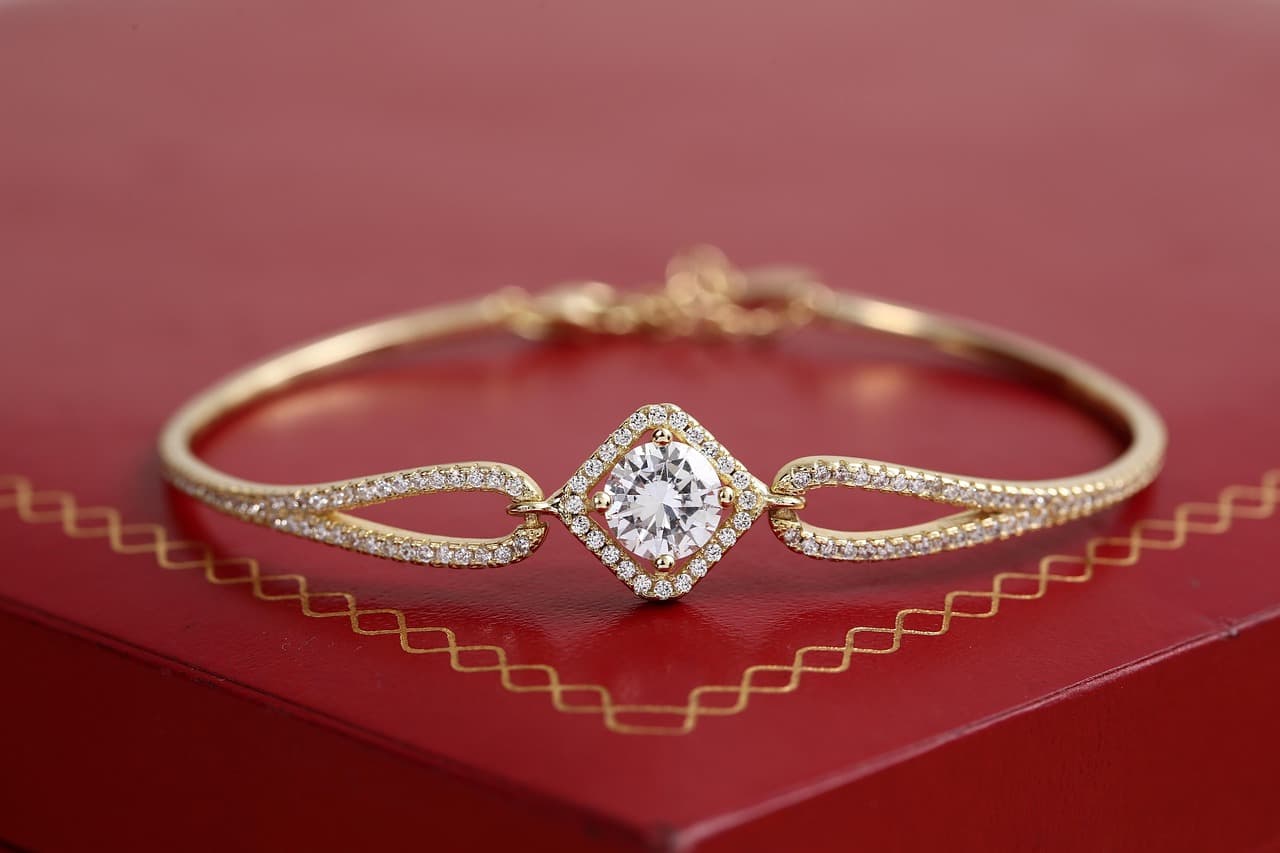
The international houses have taken notice. Cartier, Van Cleef & Arpels, Bulgari, and other global jewellery maisons have intensified their India presence, recognising that the Indian market for high jewellery is among the most sophisticated and commercially significant in the world.
The Enduring Influence of Royal Jewellery Traditions
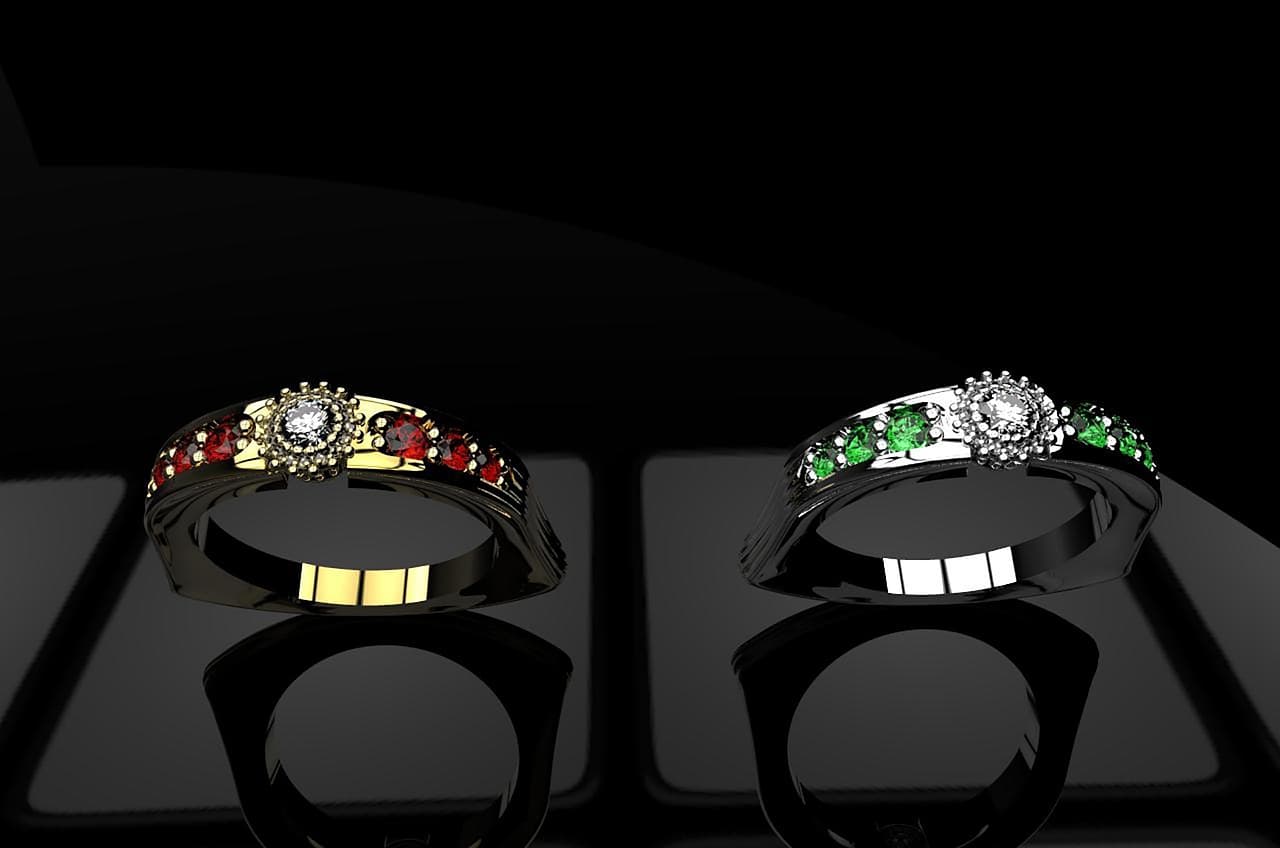
The jewellery traditions of India's royal courts continue to exert a powerful influence on contemporary design, consumer preferences, and the broader visual culture of Indian luxury. The royal jewellery aesthetic — characterised by exceptional quality of materials, extraordinary refinement of technique, and a willingness to deploy significant scale and presence — remains the aspirational benchmark for Indian fine jewellery.
The specific forms of royal jewellery continue to be produced and worn. The satlada — a seven-strand pearl necklace that was a signature of the Nizam of Hyderabad's court — appears in contemporary interpretations. The choker-style necklaces favoured by the maharanis of Rajasthan influence current designs. The jhoomar, or side-passa, a jewelled ornament worn on the side of the head, has been revived by contemporary brides who appreciate its regal connotations and striking visual impact.
What is significant about this continuing influence is that it represents a living tradition rather than a historical revival. The royal jewellery forms are not being resurrected from museum displays — they have never stopped being produced, worn, and valued. The ateliers that created jewellery for the royal courts continue to operate, their skills transmitted across generations, their aesthetic sensibilities evolving while remaining rooted in a distinctive tradition.
“The royal jewellery forms are not being resurrected from museum displays — they have never stopped being produced, worn, and valued.”
Indian Jewellery in the Global Luxury Context
The global high jewellery market is increasingly recognising the significance of Indian jewellery — not merely as a regional category but as a creative force with global relevance. This recognition is being driven by several factors: the commercial importance of the Indian market (one of the world's largest consumers of gold and diamonds), the creative quality of Indian jewellery design, the extraordinary craft skills concentrated in India, and the growing appreciation among international consumers for jewellery that carries cultural narrative and artisanal provenance.
For international jewellery houses, India represents both a crucial market and an important creative reference. The techniques developed in Indian jewellery — the stone-setting methods, the enamelling traditions, the approaches to proportion and ornament — are increasingly studied and referenced by international designers. The Indian jewellery aesthetic, with its characteristic combination of richness, refinement, and presence, is influencing global jewellery design in ways both explicit and subtle.
For Indian jewellery brands, the opportunity is significant: to position their work not as a regional alternative to international high jewellery but as a creative tradition with its own legitimate place at the summit of global jewellery culture. The platforms for this positioning — editorial coverage, museum exhibitions, international fairs, digital media — are more accessible than ever before.
THE ROYAL GALLERYS is the international magazine for heritage, culture and luxury — documenting the people, places, and ideas shaping the worlds of fashion, jewellery, design, and contemporary style. Our editorial authority rests on deep engagement with India's cultural ecosystem and a commitment to telling the stories that matter.
For editorial inquiries, story proposals, and partnership discussions, contact our editors at hey.theroyalgallerys@gmail.com.
The Royal Gallerys Editorial
Jewellery & Luxury Correspondent. THE ROYAL GALLERYS is the international magazine for heritage, culture and luxury — editorial authority on the people, places and ideas shaping our world.
Part of Style
This article is part of THE ROYAL GALLERYS Style section — our international luxury fashion editorial destination.
Explore All Style Stories →