The Scale of Indian Wedding Luxury
The Indian wedding industry is one of the largest and most economically significant luxury markets in the world. Estimates place the total value of the Indian wedding market at well over $50 billion annually, with the luxury segment — the top tier of spending on venues, catering, decoration, and fashion — representing a substantial and growing portion of that total.
What makes the Indian luxury wedding market distinctive from a fashion perspective is the multiplicity of garments required. A Western bride typically purchases one dress for her wedding day. An Indian bride — and increasingly, her family members — may commission or purchase five, ten, or even more significant garments for the sequence of events that constitute a luxury Indian wedding: the engagement, the mehndi, the sangeet, the wedding ceremony itself, the reception, and often additional pre- and post-wedding celebrations.
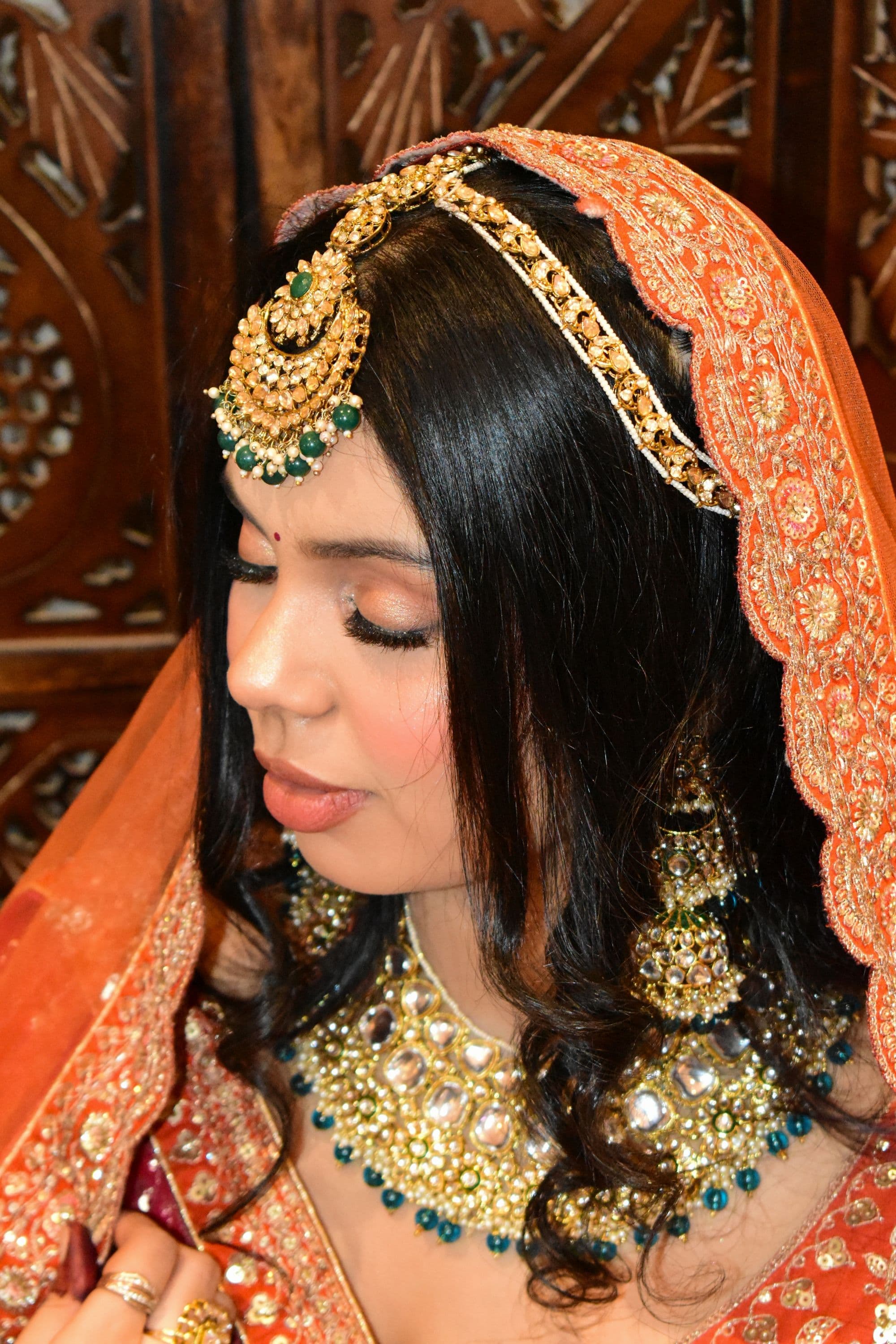
Each of these events carries its own aesthetic expectations. The mehndi calls for colour, comfort, and garments that allow movement. The sangeet demands something that photographs well on a dance floor. The wedding ceremony requires the most significant garment — often a red or richly coloured lehenga or sari — designed to create maximum visual impact during the rituals. The reception may call for something more contemporary, perhaps incorporating international silhouettes alongside Indian elements.
This multiplicity creates a fashion market of extraordinary depth and value. A single luxury wedding can generate couture commissions, jewellery purchases, and designer orders that exceed the annual clothing budgets of entire families in other luxury markets.
“A single luxury wedding can generate couture commissions that exceed the annual clothing budgets of entire families in other luxury markets.”
Destination Weddings and the Globalisation of Indian Bridal Fashion
The rise of destination weddings — celebrations held at palace hotels in Rajasthan, luxury resorts in Goa, international locations from Tuscany to Thailand — has had a profound impact on Indian bridal fashion. A wedding held at Umaid Bhawan Palace or Taj Lake Palace demands a level of visual and creative ambition that matches the setting. The garments must hold their own against some of the most beautiful architecture in the world.
This has pushed designers to raise their creative ambitions. A bridal lehenga that looks magnificent in a hotel ballroom may feel insufficient against the backdrop of a 15th-century fort palace. The destination wedding client demands garments that are not merely expensive but visually extraordinary — pieces that will be photographed against extraordinary settings and shared across social media to an audience that includes friends, family, and often a significant public following.
The international dimension of destination weddings has also influenced styling. Brides who are celebrating in Rajasthan palaces may pair their traditional bridal garments with contemporary jewellery, international beauty aesthetics, and styling that references global fashion alongside Indian tradition. The result is a hybrid aesthetic that is distinctly Indian in its fundamentals but global in its references — and that is creating some of the most visually compelling wedding imagery being produced anywhere in the world.
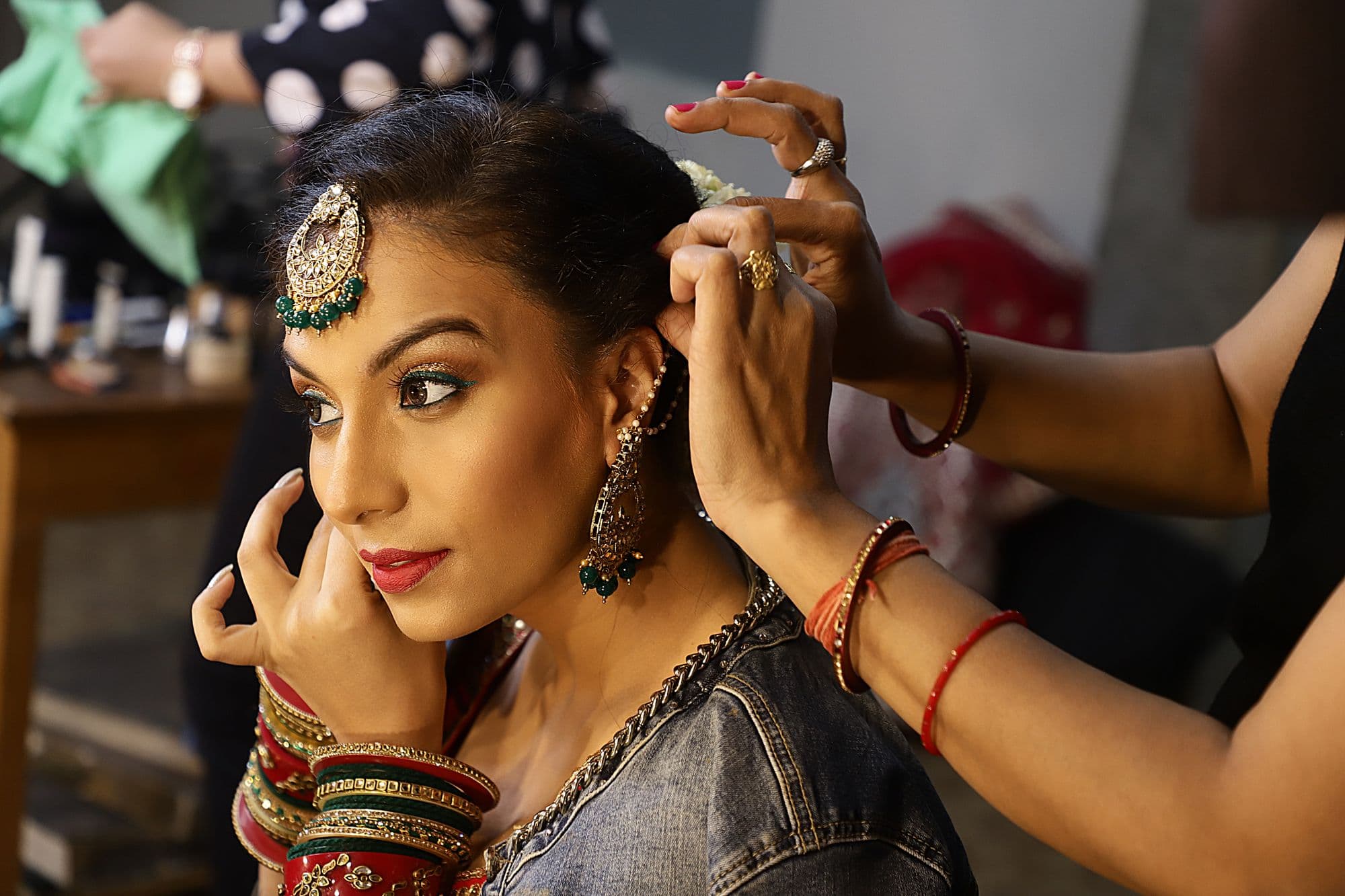
The Groom Steps Forward: Men's Wedding Fashion Comes of Age
For decades, the Indian groom's wedding wardrobe was an afterthought — a sherwani in ivory or gold, competent but conventional, chosen with far less attention and investment than the bride's ensemble. This has changed dramatically, and the change is being driven by grooms themselves, who are increasingly interested in fashion, informed about designers, and unwilling to be a visual footnote on their own wedding day.
Contemporary grooms are commissioning custom pieces from major designers — bandhgalas from Raghavendra Rathore, embroidered sherwanis from Sabyasachi, fusion pieces from Shantanu & Nikhil. They are incorporating colour, texture, and embellishment in ways that would have been considered bold a decade ago. They are paying attention to accessories — the right shoes, the appropriate jewellery, the turban or safa that completes the look.
Designers have responded to this demand with expanded menswear offerings. The groom's wardrobe is now a significant category in its own right, with collections, look books, and dedicated retail spaces. This development adds another layer of value to the wedding fashion market and creates opportunities for brands that can serve the male consumer with the same creative ambition they bring to women's fashion.
“The best bridal couture demonstrates that tradition and innovation are not opposed forces.”
The Extended Wardrobe: Family Dressing and the Multi-Generational Market
A distinctive feature of Indian luxury weddings is that the fashion consumption extends far beyond the bride and groom. Parents, siblings, close relatives, and sometimes extended family members all commission or purchase significant garments for the wedding events. For families in the luxury segment, this can mean coordinated or complementary dressing across multiple generations — a grandmother, mother, and daughter each in garments that work together visually while respecting their individual ages and styles.
This family dressing tradition creates a fashion market that is multi-generational in a way that few other luxury fashion categories achieve. Designers who can serve women across age groups — creating garments that are appropriate and flattering for a fifty-five-year-old mother of the bride as well as her twenty-eight-year-old daughter — have access to a broader and deeper customer base than those focused exclusively on younger consumers.
The coordination aspect also creates opportunities. Some families work with a single designer for all the women's or all the family's wedding garments, creating a coherent visual identity across the celebrations. Other families prefer the creative variety of working with multiple designers. Both approaches generate significant fashion consumption, and the coordination element — whether handled by the families themselves, by wedding planners, or by stylists — is becoming an increasingly sophisticated part of the Indian luxury wedding ecosystem.
Reimagining Tradition: The Creative Frontier of Bridal Couture
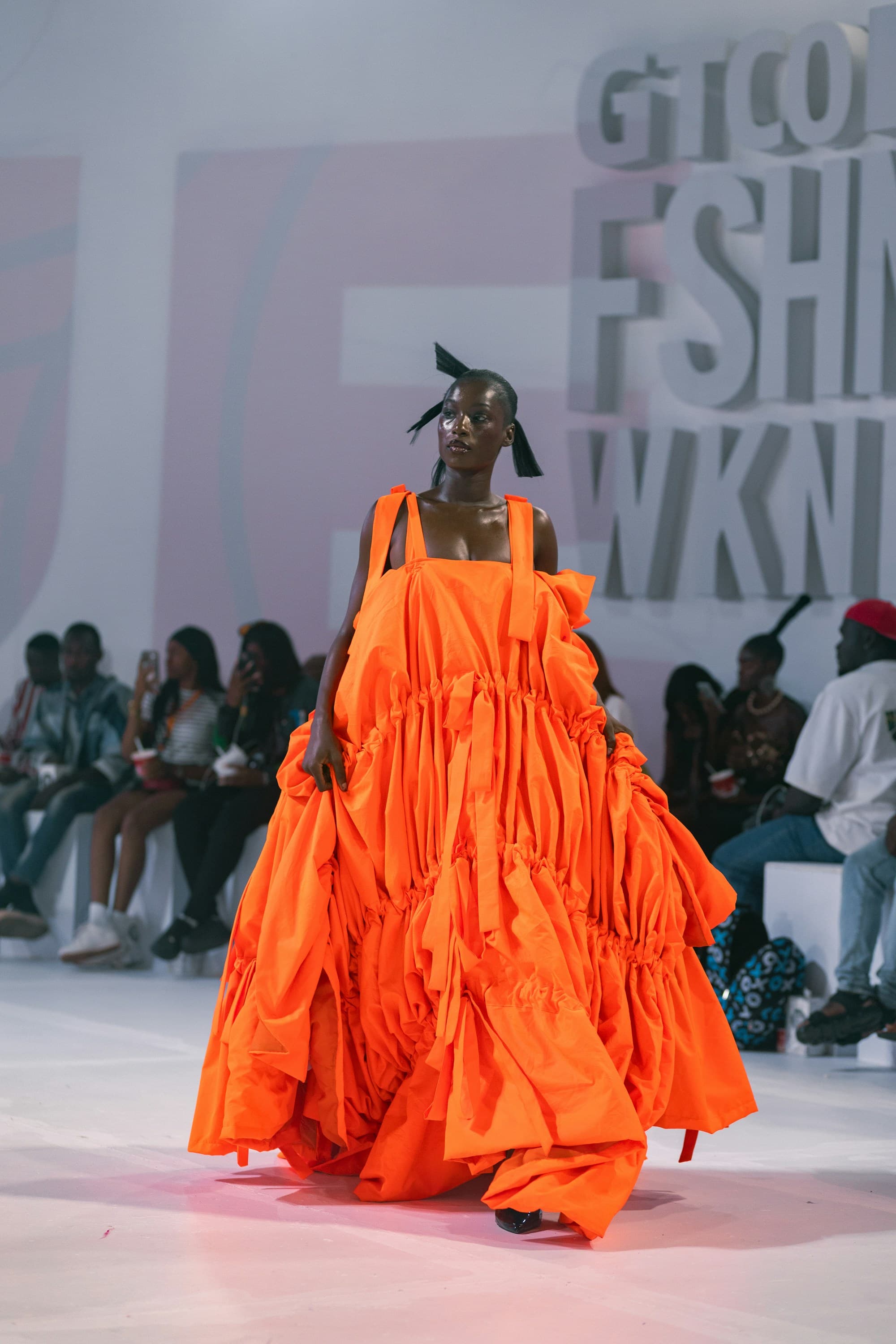
The most exciting development in Indian wedding fashion is the creative ambition of designers who are reimagining what bridal and wedding garments can be. While the traditional red bridal lehenga remains important — and has been elevated to extraordinary heights by designers like Sabyasachi — it is no longer the only option that brides consider.
Contemporary brides are choosing pastels, ivories, and unexpected colours for their wedding ceremonies. They are commissioning contemporary silhouettes that reference tradition without reproducing it. They are incorporating elements from international fashion — a couture-level construction technique, a modern proportion, an unexpected fabric combination — into garments that remain recognisably Indian in their fundamentals.
This creative ferment is producing some of the most interesting fashion work in India today. The best bridal couture collections of 2026 demonstrate that tradition and innovation are not opposed forces — that the wedding garment can honour cultural heritage while expressing individual creativity, and that the Indian luxury wedding remains one of the world's most visually and creatively rich fashion contexts.
THE ROYAL GALLERYS is the international magazine for heritage, culture and luxury — documenting the people, places, and ideas shaping the worlds of fashion, jewellery, design, and contemporary style. Our editorial authority rests on deep engagement with India's cultural ecosystem and a commitment to telling the stories that matter.
For editorial inquiries, story proposals, and partnership discussions, contact our editors at hey.theroyalgallerys@gmail.com.
The Royal Gallerys Editorial
Weddings & Couture Correspondent. THE ROYAL GALLERYS is the international magazine for heritage, culture and luxury — editorial authority on the people, places and ideas shaping our world.
Part of Style
This article is part of THE ROYAL GALLERYS Style section — our international luxury fashion editorial destination.
Explore All Style Stories →