Craft as a Living Tradition
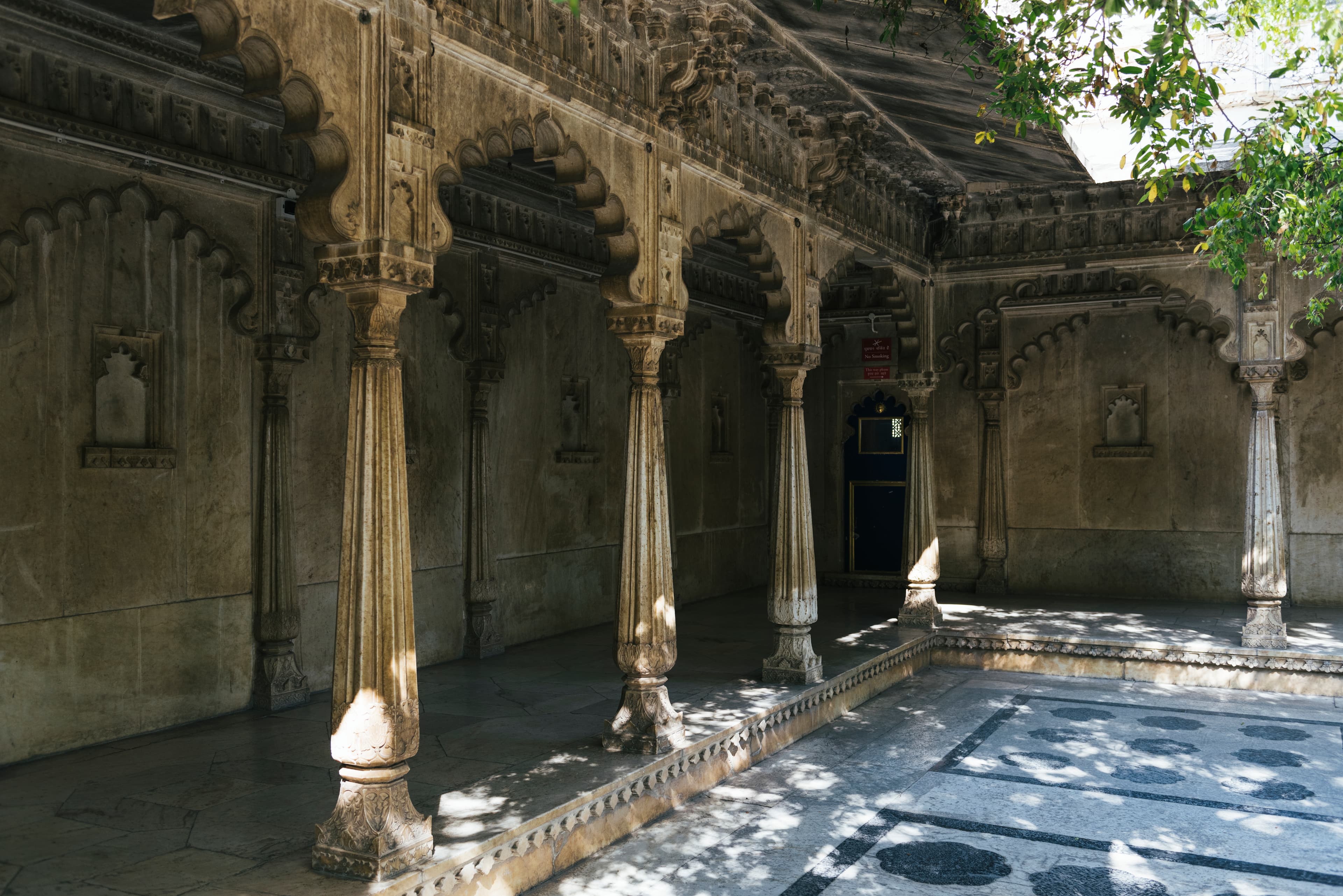
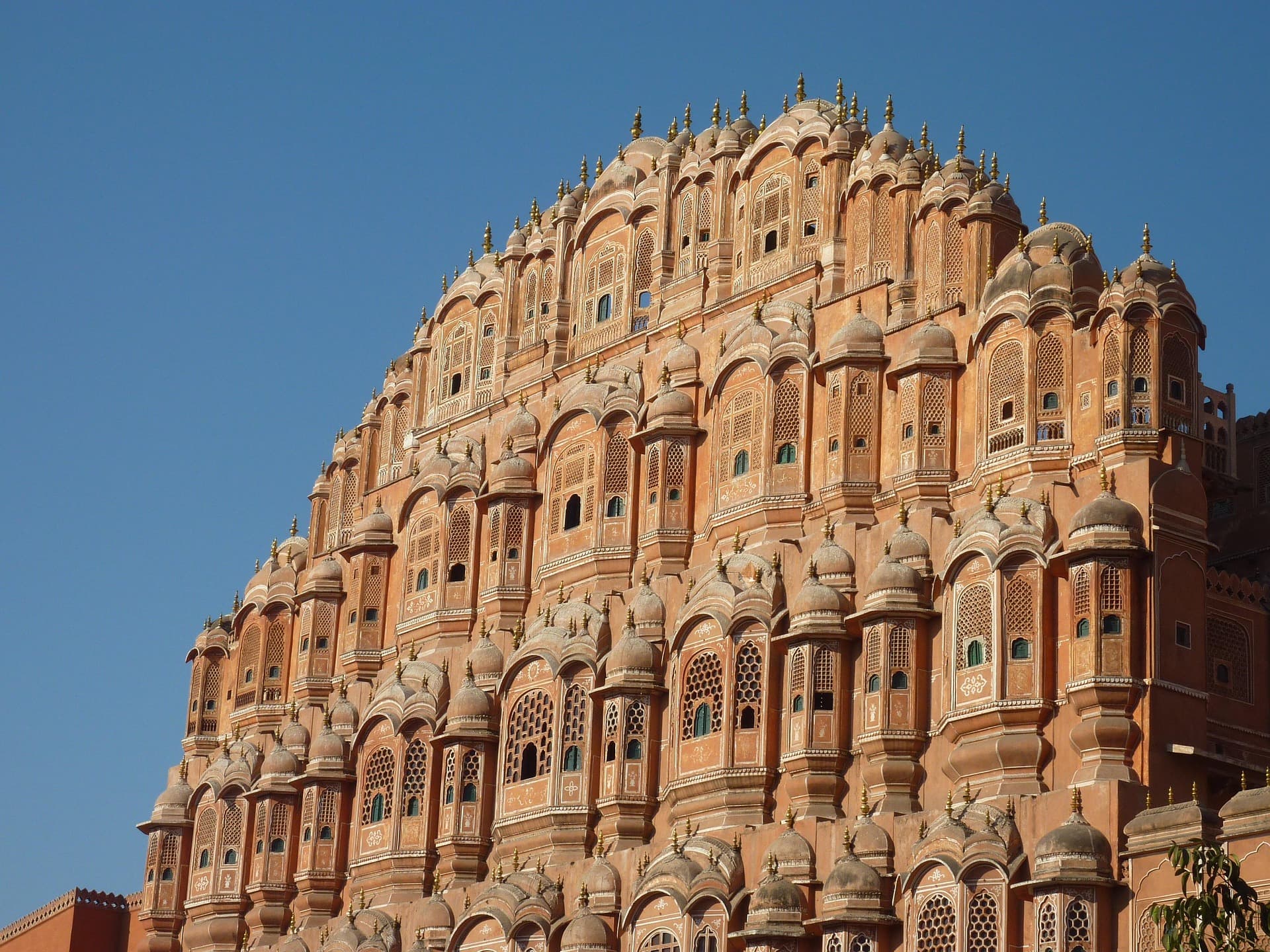
India's craft traditions are often described as heritage, a word that can suggest something finished and fixed. The truth is closer to the opposite. Handloom weaving, block-printing, stone-carving, metalwork and inlay are living practices, maintained by communities of artisans whose techniques have been transmitted across generations and are still being refined today.
The scale and depth of this knowledge is extraordinary. Different regions carry distinct specialisations — weaving traditions in one state, block-printing in another, metalwork, embroidery and stone-carving distributed across the country according to centuries of accumulated expertise. Each tradition embodies a grammar of pattern, colour and material that no single designer could invent from scratch.
What distinguishes these crafts is that they are systems, not techniques in isolation. A weaving tradition includes the preparation of fibre, the dyeing of yarn, the language of motif and the social structure of the workshop. To work with them authentically is to enter a whole culture of making — which is precisely why they hold such power when placed in the hands of a thoughtful contemporary designer.
“Indian craft traditions are not a museum to be quoted but a material language to be spoken.”
The Contemporary Reinterpretation
Contemporary designers are approaching Indian craft not as a museum to be quoted but as a material language to be spoken. The most interesting work treats a traditional technique — a block-print, a weave, a method of stone inlay — as a starting point, then pushes it toward new scale, colour and application.
The results range from furniture that reinterprets traditional carving in modern forms, to textiles that apply handloom weaving to contemporary palettes, to interiors and products that use inlay and metalwork in ways their original patrons would not have imagined. The craft remains recognisable; the outcome is new.
This is a collaboration, not an extraction. The designers who succeed are those who work directly with master artisans, respect the integrity of the technique and allow the craft's own logic to shape the design. When the relationship is genuine, the result carries a depth that industrially produced design cannot match — a sense of human decision embedded in every thread, stroke and cut.
Authenticity as the New Marker of Value
Authenticity has become the new marker of design value in the luxury market. Where once the premium lay in brand name or rarity of material, the sophisticated buyer increasingly asks a different question: is this real, is it made by hand, and does it carry a traceable story of making?
Indian craft answers this question better than almost anything else. A piece of handloom cloth or hand-carved stone carries its making within it — the subtle irregularities, the individual hand, the documented provenance of a workshop and a community. This is not nostalgia; it is evidence of human labour and cultural depth, and it is exactly what a certain kind of buyer now seeks.
This shift reframes craft from a charity case to a commercial asset. The brands and designers who understand this are building businesses, not just collections, around authentic craft — and finding that the market rewards them for it. In a luxury landscape saturated with the mass-produced, the handmade and the genuinely traditional have become rare, and therefore valuable.
“In a luxury landscape saturated with the mass-produced, the handmade has become rare, and therefore valuable.”
The Global Market and the Artisan
The global luxury market's appetite for Indian craft raises the question of the artisan's place in it. For craft to remain living — rather than be consumed and discarded by fashion — the relationship between designer, brand and artisan must be equitable and enduring.
The most credible work is built on partnership: artisans credited by name, paid fairly for their labour and treated as collaborators rather than suppliers of a cheap manual commodity. Where this is done properly, the craft community benefits, the technique survives and the design is enriched. Where it is not, the tradition risks being hollowed out by demand.
There are structural reasons to be hopeful. The growing interest in provenance and sustainability among luxury buyers aligns with craft's own logic, which has always been low-waste, local and slow. The designers and houses that honour this — that build long relationships with workshops and share value with the makers — are not only doing the right thing; they are building the kind of provenance the market is learning to pay for.
The Royal Gallerys Perspective
THE ROYAL GALLERYS treats Indian craft as a central subject of design, because we believe it is the single greatest design asset the subcontinent possesses. We document the living traditions — handloom, block-printing, stone-carving, metalwork and inlay — and we follow the contemporary designers who are reinterpreting them for the global market.
We believe the future of Indian craft lies in its reinvention rather than its preservation alone — in the hands of designers who respect the technique and the maker, and who use craft to say something new rather than to repeat the old. Authenticity, properly understood, is not a brake on creativity; it is its deepest foundation.
We write for the designers, collectors and buyers who want to understand why craft matters — not as nostalgia, but as the clearest marker of design value in a market that has begun to demand the real.
THE ROYAL GALLERYS is the international magazine for heritage, culture and luxury — documenting the people, places and ideas shaping the worlds of royalty, jewellery, design, travel and contemporary life. Our editorial authority rests on deep engagement with India's cultural ecosystem and a commitment to telling the stories that matter.
For editorial inquiries, story proposals, and partnership discussions, contact our editors at hey.theroyalgallerys@gmail.com.
The Royal Gallerys Editorial
Craft & Design Correspondent. THE ROYAL GALLERYS is the international magazine for heritage, culture and luxury — editorial authority on the people, places and ideas shaping our world.
Part of Design
This article is part of THE ROYAL GALLERYS Design section — our international editorial destination for design, heritage and luxury.
Explore All Design Stories →