13 Rue de la Paix: The Sanctum of Parisian Refinement
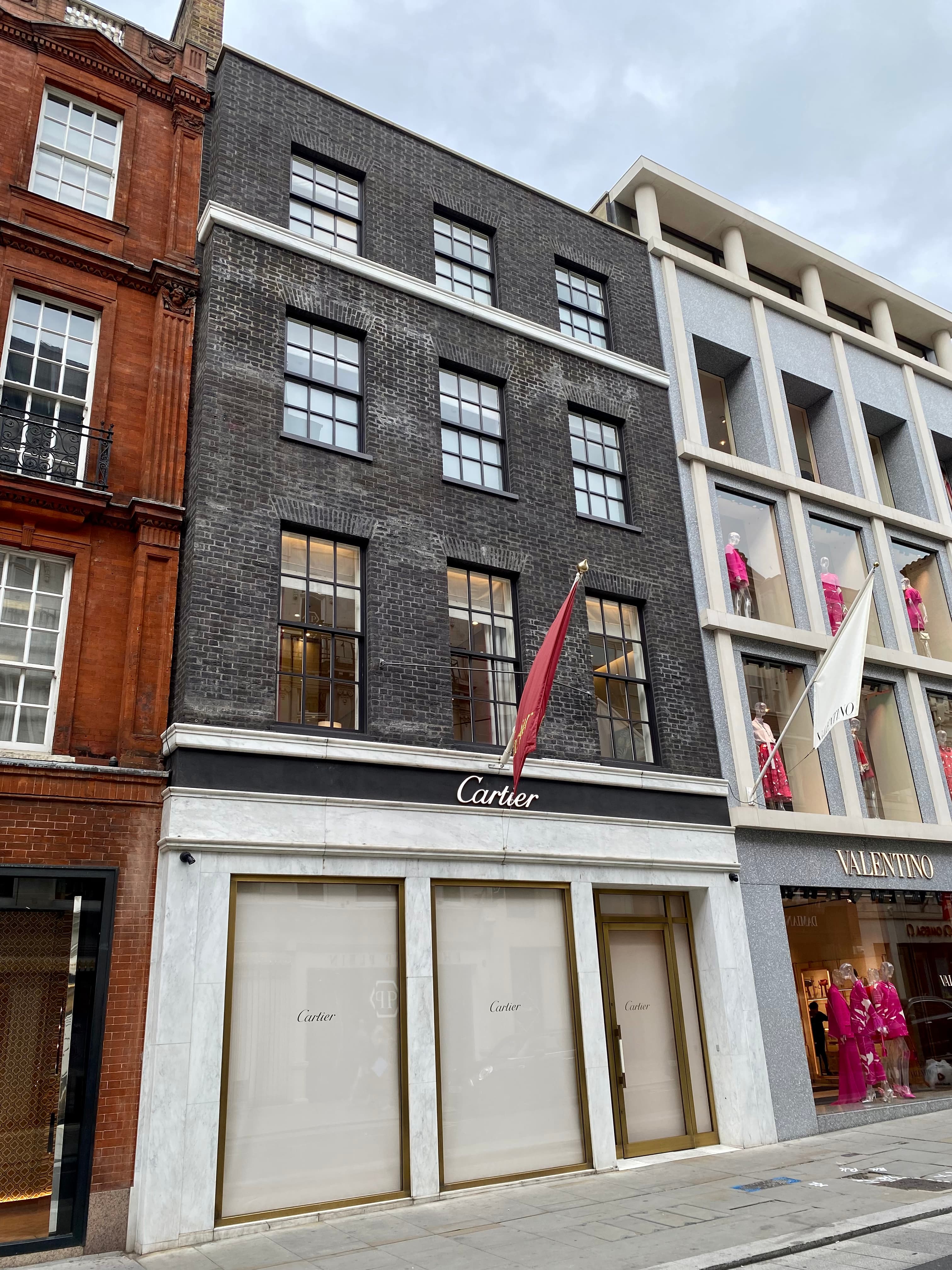
When Alfred Cartier moved his family's maison to 13 Rue de la Paix in 1899, just steps from Place Vendôme, he anchored the firm in what was rapidly becoming the epicentre of international luxury. Under the triumvirate of his three visionary sons — Louis in Paris, Pierre in New York, and Jacques in London — Cartier transformed from a prestigious French jeweller into an empire spanning three continents.
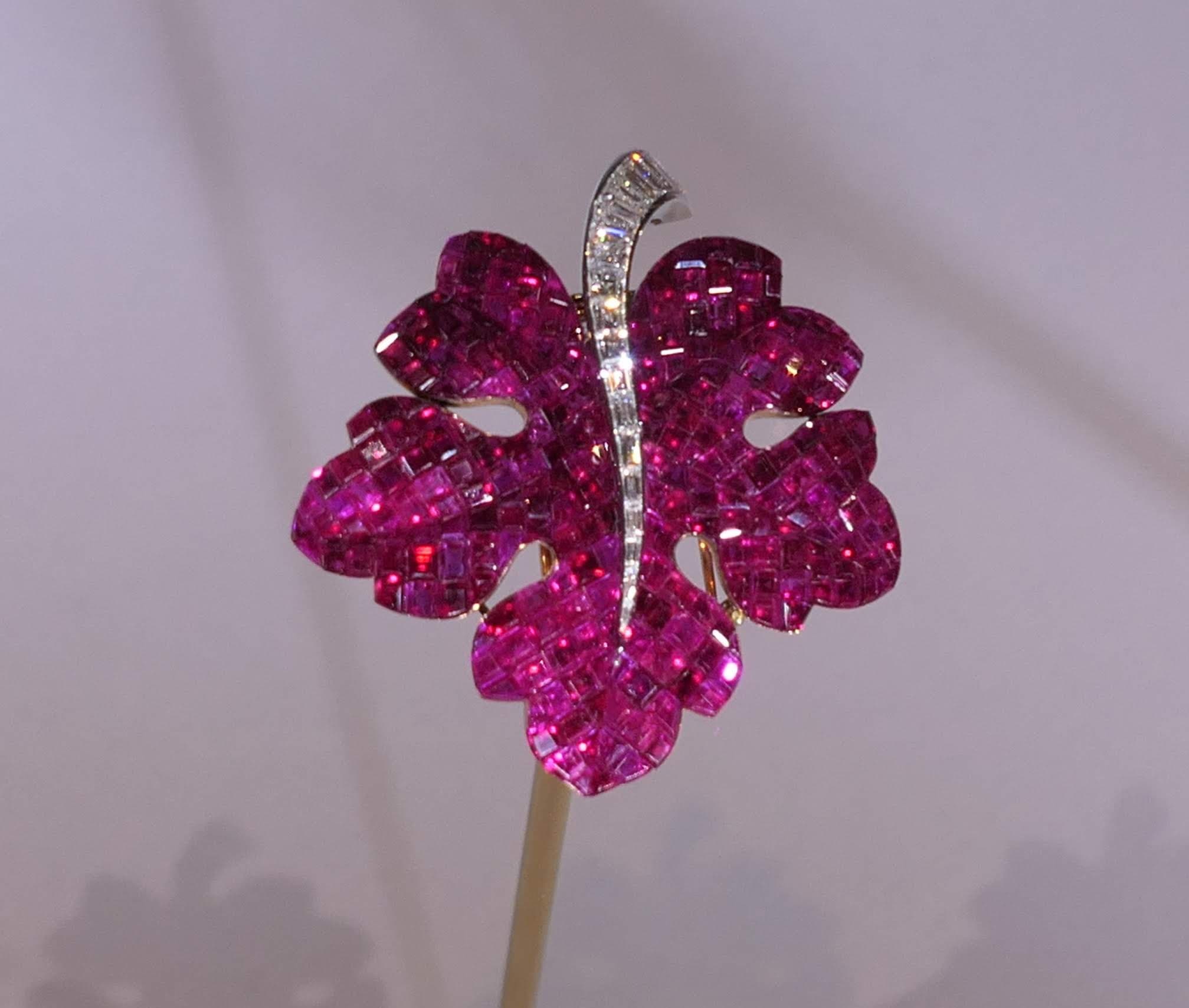
Louis Cartier was the aesthetic visionary. Possessed of an insatiable curiosity and a vast collection of Islamic, Persian, and Far Eastern antiquities, Louis looked beyond the heavy academic historicism of 19th-century France. He banished yellow gold settings, embraced the crisp architectural clarity of platinum, and introduced the garland style: ribbon garlands, laureated crowns, and lace collars that flattered the feminine décolletage without visual distraction.
“King Edward VII decreed Cartier 'the jeweller of kings and the king of jewellers', ordering 27 tiaras for his 1902 coronation season.”
The Royal Decree: Jeweller of Kings, King of Jewellers
In 1902, the Prince of Wales (shortly to be crowned King Edward VII) famously referred to Cartier as 'the jeweller of kings and the king of jewellers'. Two years later, in 1904, Edward VII granted Cartier its first British Royal Warrant, ordering 27 tiaras for his coronation season.
Within a decade, Cartier held warrants from the royal courts of Spain, Portugal, Russia, Siam, Greece, Serbia, and Romania. Sovereign rulers from across the globe traveled to Paris and London to commission state regalia. When Nicholas II’s imperial court sought jewels to rival the Romanov crown treasures, they consulted Cartier’s travelling representatives in St Petersburg. When the Maharaja of Patiala arrived in Paris in 1928 with trunks filled with 2,930 diamonds and Burmese rubies, it was Louis Cartier whom he entrusted with the creation of the monumental Patiala Necklace.
Tutti Frutti: The East-West Synthesis of Carved Gemstones
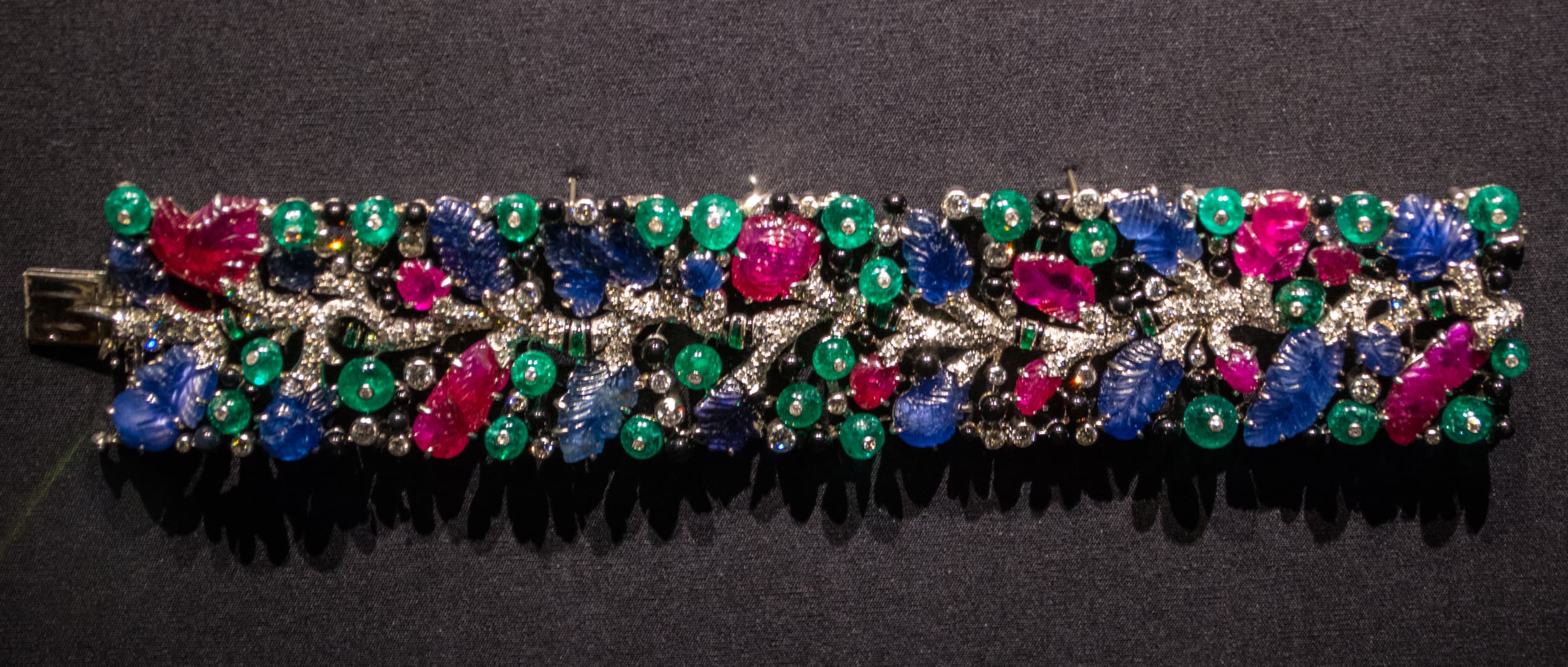
In 1911, Jacques Cartier embarked on an expedition across the Indian subcontinent to attend the Delhi Durbar of King George V. There, he encountered the ancient Mughal tradition of gem carving — emeralds, rubies, and sapphires sculpted by lapidaries into stylized leaves, buds, and fluted melon beads.
Jacques returned to Europe with bags of carved colored gems, initiating one of the most audacious design revolutions in jewellery history: the 'Tutti Frutti' style (originally catalogued by Cartier as 'Hindu jewels'). In Cartier's Parisian workshops, master craftsmen combined these vibrantly carved Indian stones with clean Art Deco platinum frameworks and sharp geometric diamond baguettes.
The resulting jewels — necklaces that seemed to burst with tactile foliage and bracelets of undulating color — discarded the rigid Western rule that precious stones must be transparent and faceted. Patrons such as Daisy Fellowes, Mrs Harrison Williams (Countess Mona von Bismarck), and Lady Mountbatten championed these exotic creations, turning Tutti Frutti into the ultimate signifier of cosmopolitan connoisseurship.
“In Tutti Frutti, Cartier united Mughal gem-carving with Parisian Art Deco platinum, breaking every rigid Western rule of gemstone setting.”
Monumental Stones: The Bismarck Sapphire and the Hooker Emerald
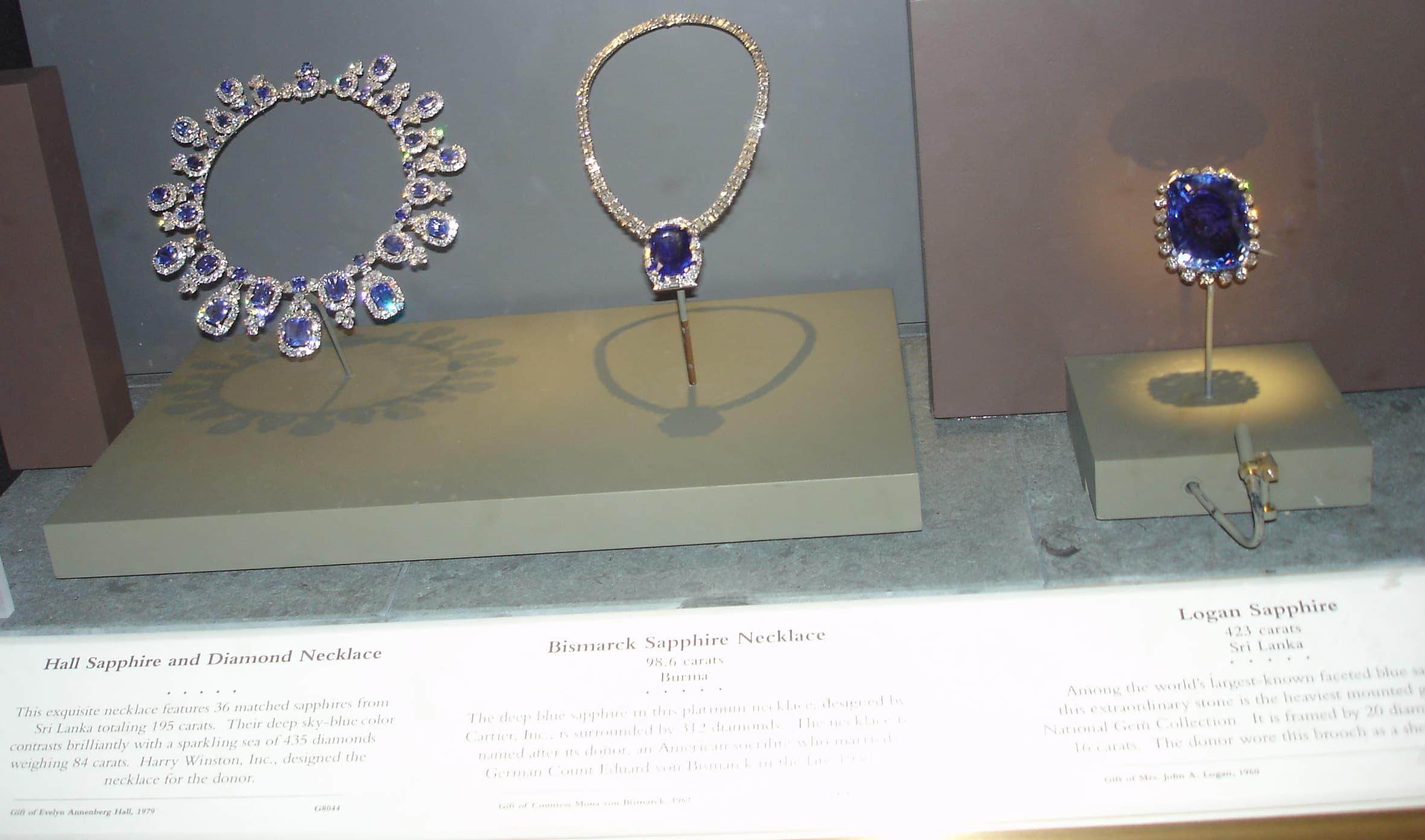
Cartier’s supremacy also rested on an unmatched ability to secure the world's most breathtaking geological miracles. In 1935, Countess Mona von Bismarck commissioned Cartier to mount her unheated 98.57-carat cushion blue sapphire from Sri Lanka. Mounted in a sinuous platinum collier accented with 312 brilliant-cut diamonds and eight square-cut Colombian emeralds, the Bismarck Sapphire demonstrated Cartier’s unmatched skill in allowing an enormous stone to float weightlessly against the skin.
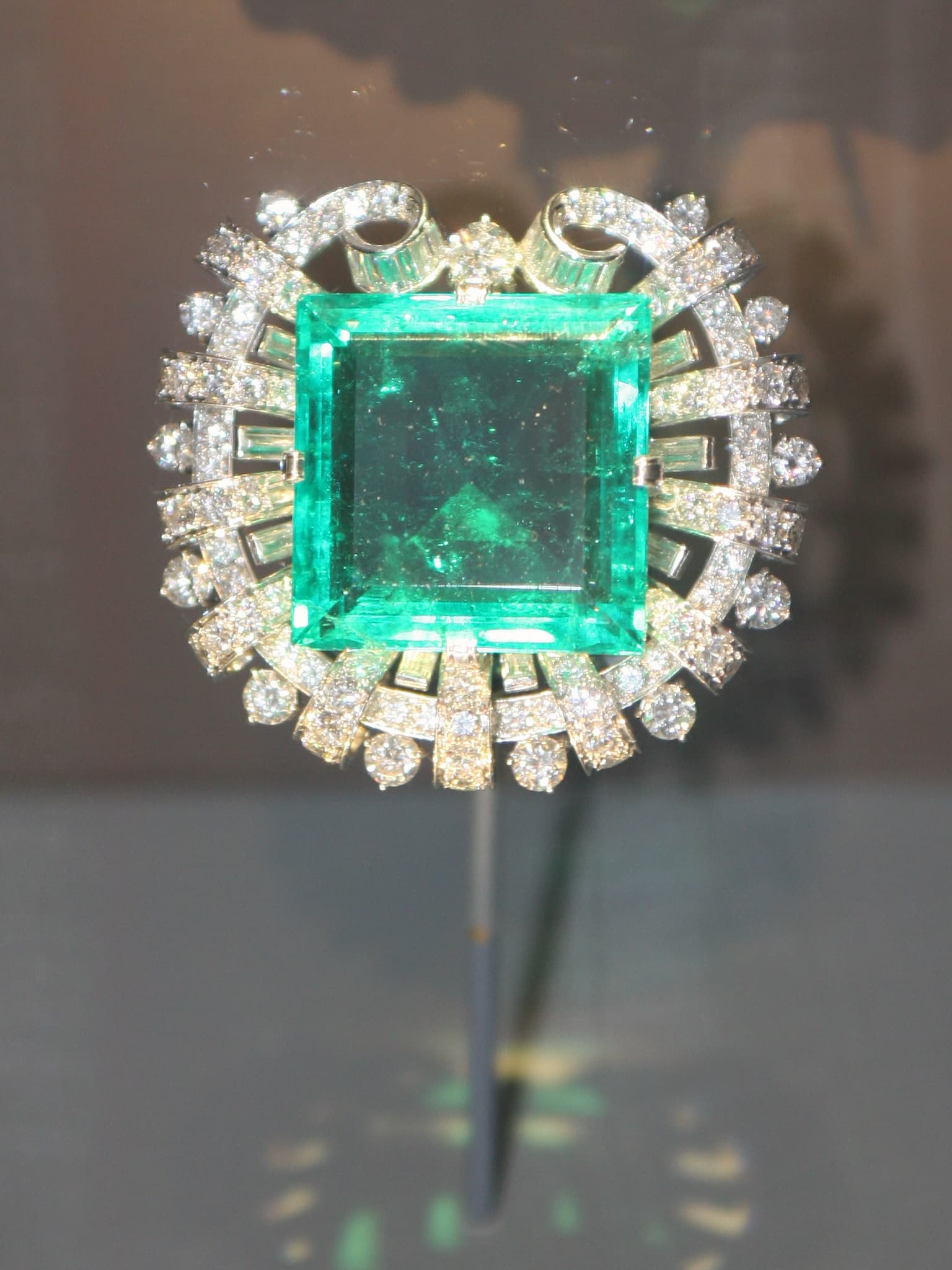
Similarly, the Hooker Emerald — a 75.47-carat square-cut Colombian emerald of sublime clarity that once belonged to Sultan Abdul Hamid II of the Ottoman Empire — was acquired and mounted by Cartier New York into a platinum brooch clip flanked by baguette and round diamonds. Donated to the Smithsonian Institution, these pieces remain monuments to an era when Cartier set the global standard for high jewellery majesty.
THE ROYAL GALLERYS is the international magazine for heritage, culture and luxury — documenting the people, places and ideas shaping the worlds of royalty, jewellery, design, travel and contemporary life. Our editorial authority rests on deep engagement with India's cultural ecosystem and a commitment to telling the stories that matter.
For editorial inquiries, story proposals, and partnership discussions, contact our editors at hey.theroyalgallerys@gmail.com.
Éloïse de Saint-Germain
Haute Joaillerie Historian, Paris. THE ROYAL GALLERYS is the international magazine for heritage, culture and luxury — editorial authority on the people, places and ideas shaping our world.
Part of Jewellery
This article is part of THE ROYAL GALLERYS Jewellery section — our international editorial destination for jewellery, heritage and luxury.
Explore All Jewellery Stories →