The Architecture of Majesty: Coronas, Diadems, and Coronets
Few adornments command the theatre of sovereign pageantry quite like the tiara. While necklaces, brooches, and rings may be worn in private salons or intimate banquets, the tiara is intrinsically public and sculptural — an architectural crest of light engineered to be seen across vast royal halls and under the towering Gothic vaults of Westminster Abbey.
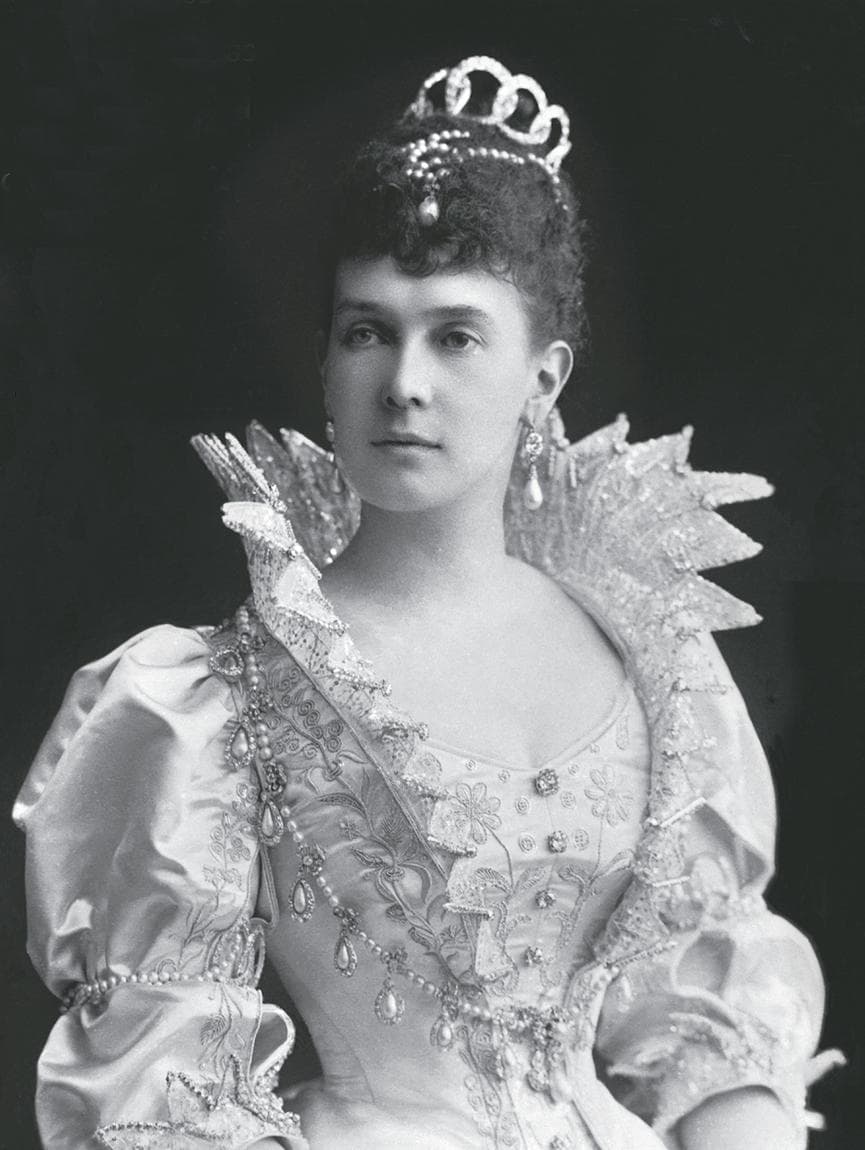
In Britain, the tiara is not merely decorative; it is an unwritten codex of rank, dynastic alliance, and genealogical permanence. During the Georgian and Victorian eras, headpieces evolved from rigid neoclassical bandeaux of yellow gold and chunky silver settings into increasingly aerial masterpieces of articulated platinum. A peeress attending a coronation or a state banquet wore her history upon her brow: stones inherited through dowries, diamonds re-cut from grand tour acquisitions, and motifs drawn from ancient family heraldry.
“A tiara is not merely an ornament; it is architecture sculpted in diamonds and platinum, engineered to catch the light across state ballrooms.”
The Edwardian Revolution: Cartier London and the Triumph of Platinum
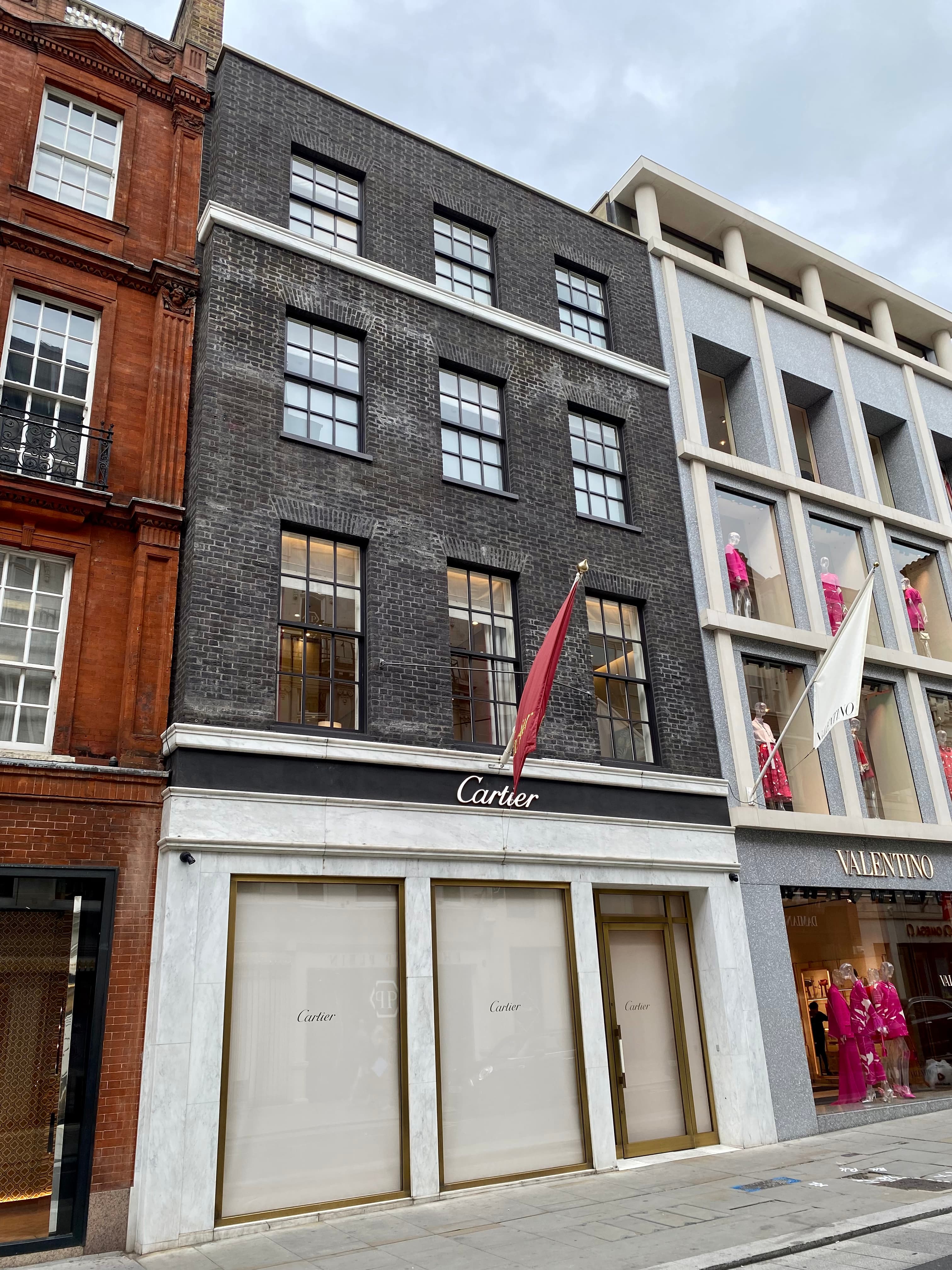
The pinnacle of British tiara design arrived at the dawn of the twentieth century, catalyzed by the coronation of King Edward VII in 1902. King Edward famously declared Cartier 'the jeweller of kings and the king of jewellers', and it was during this gilded twilight that Louis Cartier and his London atelier revolutionized high jewellery through the structural adoption of platinum.
Prior to platinum, large diamonds were set in silver with gold backings to prevent the silver from tarnishing against the skin. This dual-metal construction required heavy prongs and dense galleries to bear the weight of substantial gems. Platinum changed everything: with its extraordinary tensile strength and resistance to oxidization, master craftsmen could fashion virtually invisible knife-edge wires, delicate millegrain borders, and lace-like openwork.
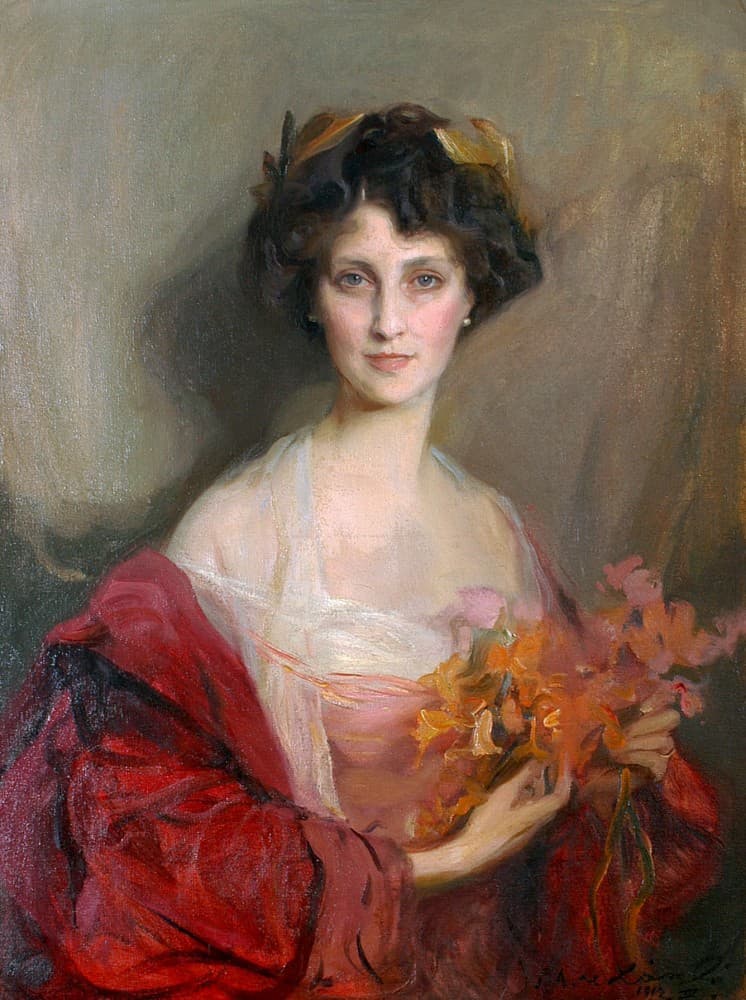
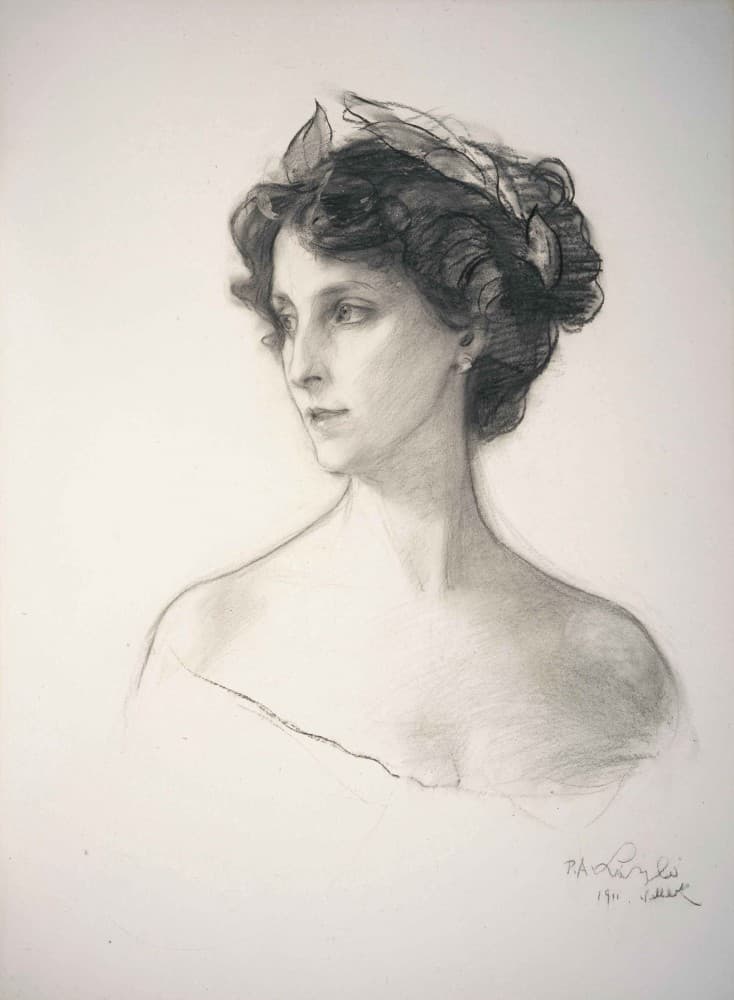
The supreme manifestation of this technical breakthrough was the legendary Portland Tiara, commissioned in 1902 by the 6th Duke of Portland for his consort, Winifred, Duchess of Portland. Fabricated in Cartier’s London workshop, the diadem was anchored by the historic Portland Diamond — a magnificent 24.5-carat briolette drop — enveloped in pavé-set laurel wreaths, diamond scrolls, and articulated briolettes that shivered with every breath.
The Great Ducal Collections: Devonshire, Portland, and Westminster
While the British Royal Collection at Windsor and Buckingham Palace remains peerless, Britain's ancestral ducal families amassed rival treasuries that defined society entertaining throughout the 19th and 20th centuries. The Devonshire Parure, commissioned in 1856 by the 6th Duke of Devonshire from C.F. Hancock to showcase historic Roman and Greek cameos, stands as one of the great curiosities of aristocratic connoisseurship.
Similarly, the Westminster tiaras — most notably the Westminster Halo Tiara by Lacloche Frères and the Westminster Chertsey Tiara — reflected the staggering industrial wealth and continental taste of the Grosvenor family. These pieces were conceived not as ephemeral fashion items, but as dynastic heirlooms entailed to the estate, passing down from duchess to duchess across generations.
Unlike continental European titles, which often dispersed their jewels following the dissolution of monarchies or divided inheritance laws under the Napoleonic Code, the British system of strict settlement preserved these magnificent suites intact for centuries, creating an unbroken continuum of high jewellery craftsmanship.
“When Cartier introduced platinum in 1902, it freed the diamond from the heavy silver-and-gold mounts of the Victorian era, allowing stones to float like celestial constellations.”
The Modern Renaissance: White Tie and State Banquets in the 21st Century
In contemporary Britain, the tiara has avoided extinction by evolving into an object of profound cultural fascination. Rather than languishing in bank vaults, historic tiaras continue to fulfill their original sovereign function at state banquets at Buckingham Palace, diplomatic receptions, and royal weddings.
The Princess of Wales’s measured appearances wearing Queen Mary's Lover's Knot Tiara and the Lotus Flower Tiara demonstrate how historic jewels bridge the centuries, lending gravity and continuity to the modern monarchy. Furthermore, institutions like the Victoria and Albert Museum and private Mayfair exhibitions have fostered a new generation of connoisseurs who view the tiara not merely as an instrument of social division, but as the zenith of European decorative art.
Today, independent British goldsmiths and heritage houses alike report an unprecedented surge of interest from private collectors worldwide, seeking either to acquire historic examples at international auctions or to commission bespoke headpieces that honour the exacting benchcraft of the Edwardian golden age.
THE ROYAL GALLERYS is the international magazine for heritage, culture and luxury — documenting the people, places and ideas shaping the worlds of royalty, jewellery, design, travel and contemporary life. Our editorial authority rests on deep engagement with India's cultural ecosystem and a commitment to telling the stories that matter.
For editorial inquiries, story proposals, and partnership discussions, contact our editors at hey.theroyalgallerys@gmail.com.
Lady Eleanor Montagu
Contributing Jewellery Editor, London. THE ROYAL GALLERYS is the international magazine for heritage, culture and luxury — editorial authority on the people, places and ideas shaping our world.
Part of Jewellery
This article is part of THE ROYAL GALLERYS Jewellery section — our international editorial destination for jewellery, heritage and luxury.
Explore All Jewellery Stories →