The Bond Street Axis: London’s Epicentre of Connoisseurship
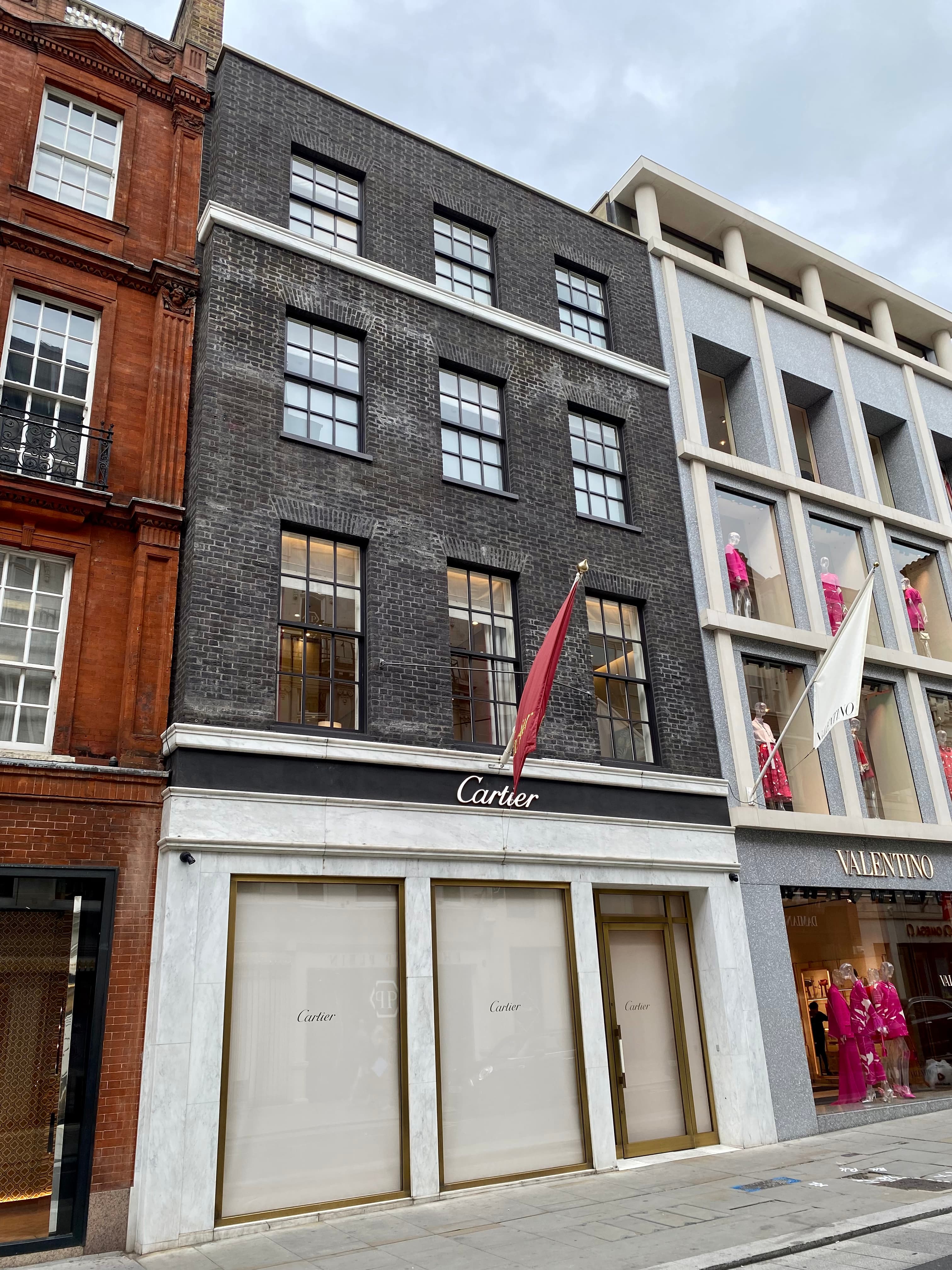
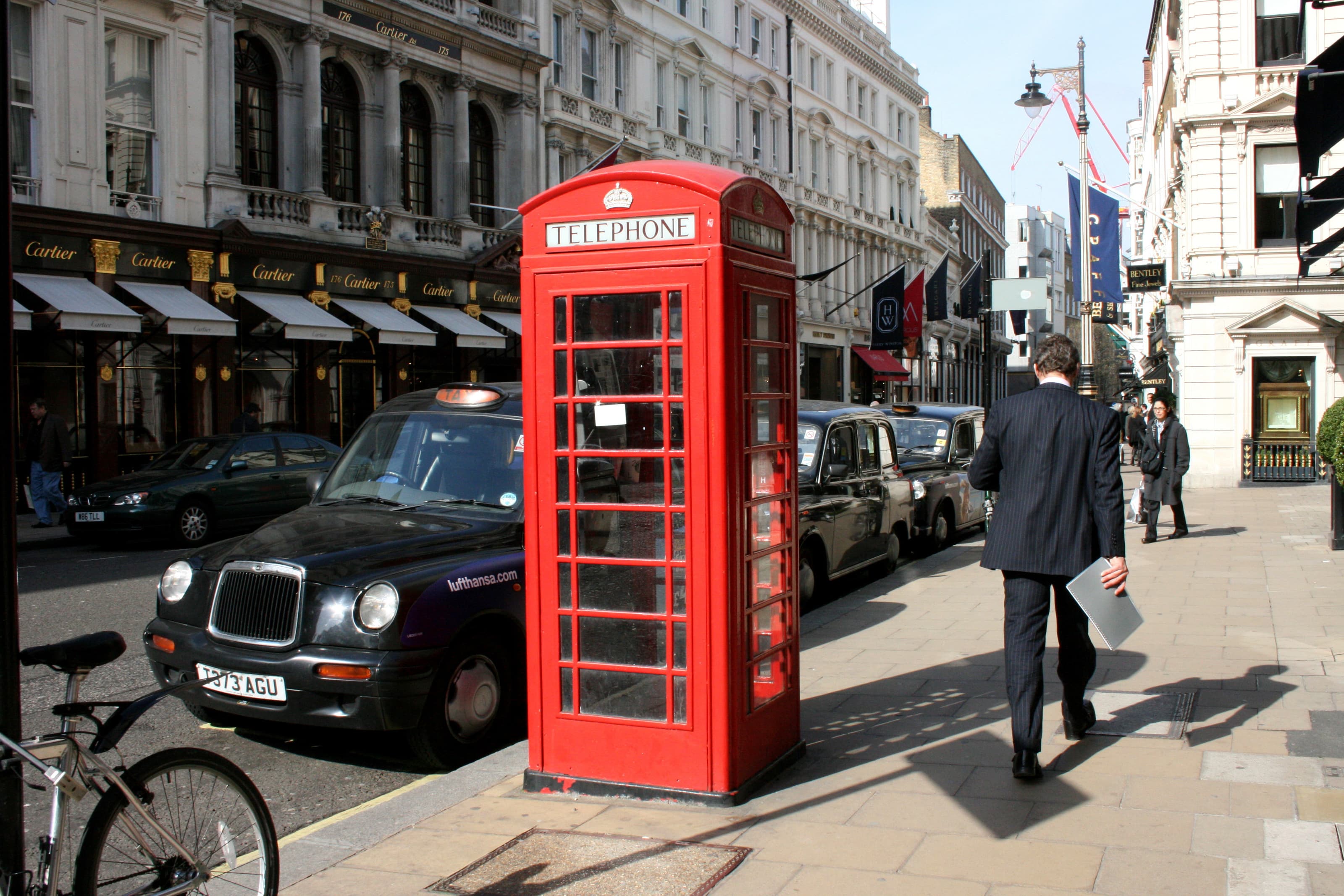
While Paris has Place Vendôme and New York has Fifth Avenue, Mayfair possesses a distinct and hushed gravity. Here, between Piccadilly and Oxford Street, along the slender corridor of Old and New Bond Street, exists the densest concentration of high jewellery mastery on earth.
Yet what meets the casual pedestrian on street level is only the outermost vestibule. Behind neoclassical facades, through discreet brass-handled doorways and upstairs into private, wood-panelled salons lined with silk damask, the true commerce of high jewellery takes place. In these private rooms, surrounded by curated archives and museum-grade security, acquisitions worth tens of millions of pounds are negotiated not with urgency, but over afternoon tea served in fine bone china.
“Behind Mayfair's discreet brass doorways, high jewellery acquisitions worth tens of millions are negotiated not with urgency, but over tea served in fine bone china.”
The Guardians of Provenance: S.J. Phillips, Wartski, and the Royal Warrants
What distinguishes Mayfair from any other luxury district is its historic lineage of specialist antiquarians and Royal Warrant holders. Houses such as S.J. Phillips (established in 1869 and now residing in Mount Street) and Wartski (goldsmiths to King Charles III and the late Queen Elizabeth II) represent an encyclopedic knowledge of noble provenance.
Wartski, founded in 1865, became internationally renowned for its pioneering scholarship on Peter Carl Fabergé, repatriating imperial Russian Easter eggs and court jewels that had vanished into Western collections after 1917. When a sovereign house or an old European family needs to discretely consign a 17th-century diamond aigrette or an unrecorded Renaissance cameo, they do not turn to public auctions; they consult Mayfair's trusted antiquarians.
In these salons, provenance is examined with forensic rigor. Archival ledgers dating back to the Georgian era are cross-referenced with hallmarking registers, and stones are evaluated not merely by contemporary four-Cs criteria, but by the subtle poetry of their historical cutting: old-mine cushions, rose cuts, and unheated Golconda crystals.
The Modern Titans: Laurence Graff and the Contemporary Atelier
If the antiquarians protect the past, New Bond Street's modern flagships forge the future. The presence of Laurence Graff on New Bond Street transformed London from an aristocratic trading post into the global capital of important colored diamonds.
Graff’s headquarters, alongside the British maisons of Boodles, Shaun Leane, and Garrard, provide a direct conduit between the world’s most elite gem mines and the international collectors who converge on London for the June and December auction seasons. The clients who cross these thresholds are not shoppers in any conventional sense; they are custodians of capital seeking tangible, transportable, and peerlessly rare geological assets.
“Provenance in Mayfair is examined with forensic rigor; a stone is evaluated not merely by modern grading, but by the poetry of its historical cutting.”
The Art of the Private Salon: Discretion as the Ultimate Luxury
In an era of ubiquitous digital discovery and mass-market luxury branding, Mayfair’s private jewellery salons preserve an increasingly rare commodity: absolute discretion.
No photographs are taken. No client names are uttered across open desks. Master gemmologists present loose, unmounted stones on black velvet trays, explaining the crystalline purity of an unenhanced 20-carat Colombian emerald or a Type IIa cushion diamond from Southern Africa. In this rarefied sanctuary, the relationship between the jeweller and the patron remains what it has always been since the days of the Prince Regent: an intimate, confidential dialogue between artist, collector, and sovereign history.
THE ROYAL GALLERYS is the international magazine for heritage, culture and luxury — documenting the people, places and ideas shaping the worlds of royalty, jewellery, design, travel and contemporary life. Our editorial authority rests on deep engagement with India's cultural ecosystem and a commitment to telling the stories that matter.
For editorial inquiries, story proposals, and partnership discussions, contact our editors at hey.theroyalgallerys@gmail.com.
Alastair Fitzroy
Senior Luxury Correspondent, London. THE ROYAL GALLERYS is the international magazine for heritage, culture and luxury — editorial authority on the people, places and ideas shaping our world.
Part of Jewellery
This article is part of THE ROYAL GALLERYS Jewellery section — our international editorial destination for jewellery, heritage and luxury.
Explore All Jewellery Stories →