From Hatton Garden Apprentice to the King of Diamonds
In the annals of twentieth-century jewellery, Laurence Graff’s trajectory reads like an unwritten fable. Born in Stepney in London’s East End, Graff began his career at the age of fifteen as an apprentice jeweller in Hatton Garden, sweeping floors and repairing ring shanks.
Possessed of an instinctive optical eye for diamond brilliance and an audacity that unsettled London's conservative establishment, Graff founded Graff Diamonds in 1960. By the 1970s, he had bypassed traditional British trade routes to build deep personal relationships with royal families and sovereign rulers across the Middle East and Southeast Asia, supplying monumental stones that had previously been the exclusive preserve of historic European dynasties.
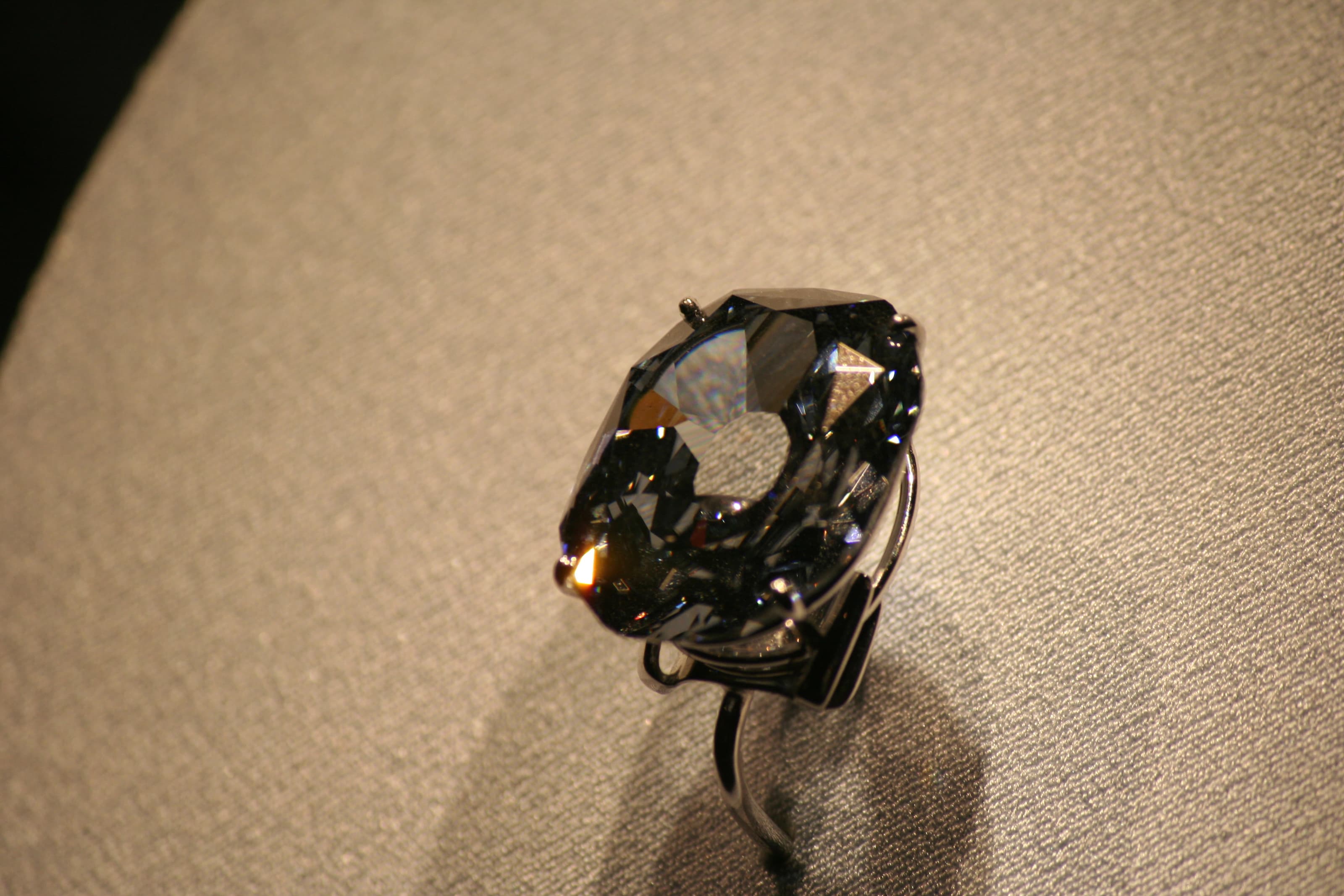
“Graff purchased the Wittelsbach diamond for £16.4 million and did the unthinkable: recutting 4.45 carats to reveal an Internally Flawless Fancy Deep Blue masterpiece.”
The Wittelsbach Audacity: Recutting a Royal Crown Jewel
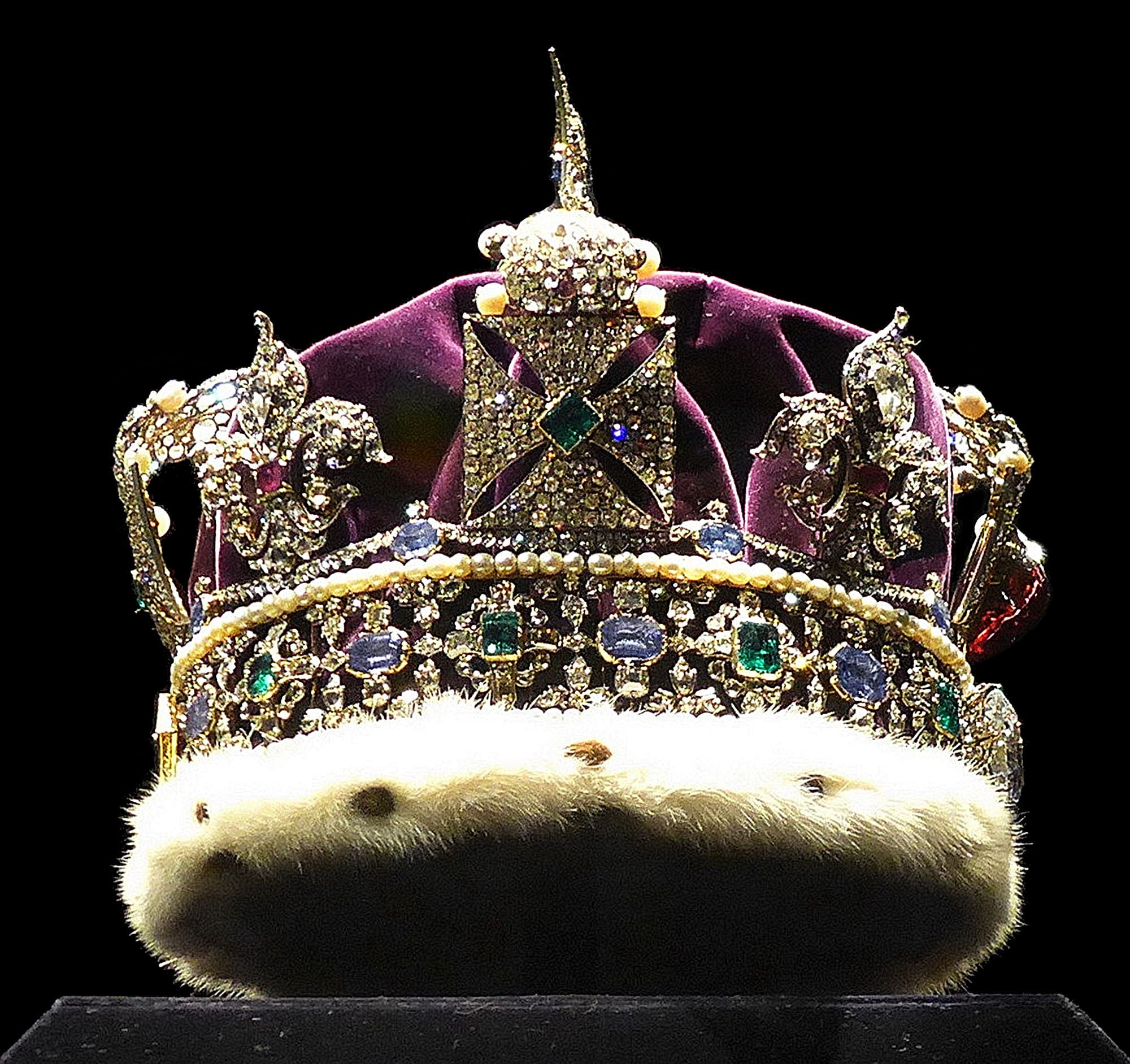
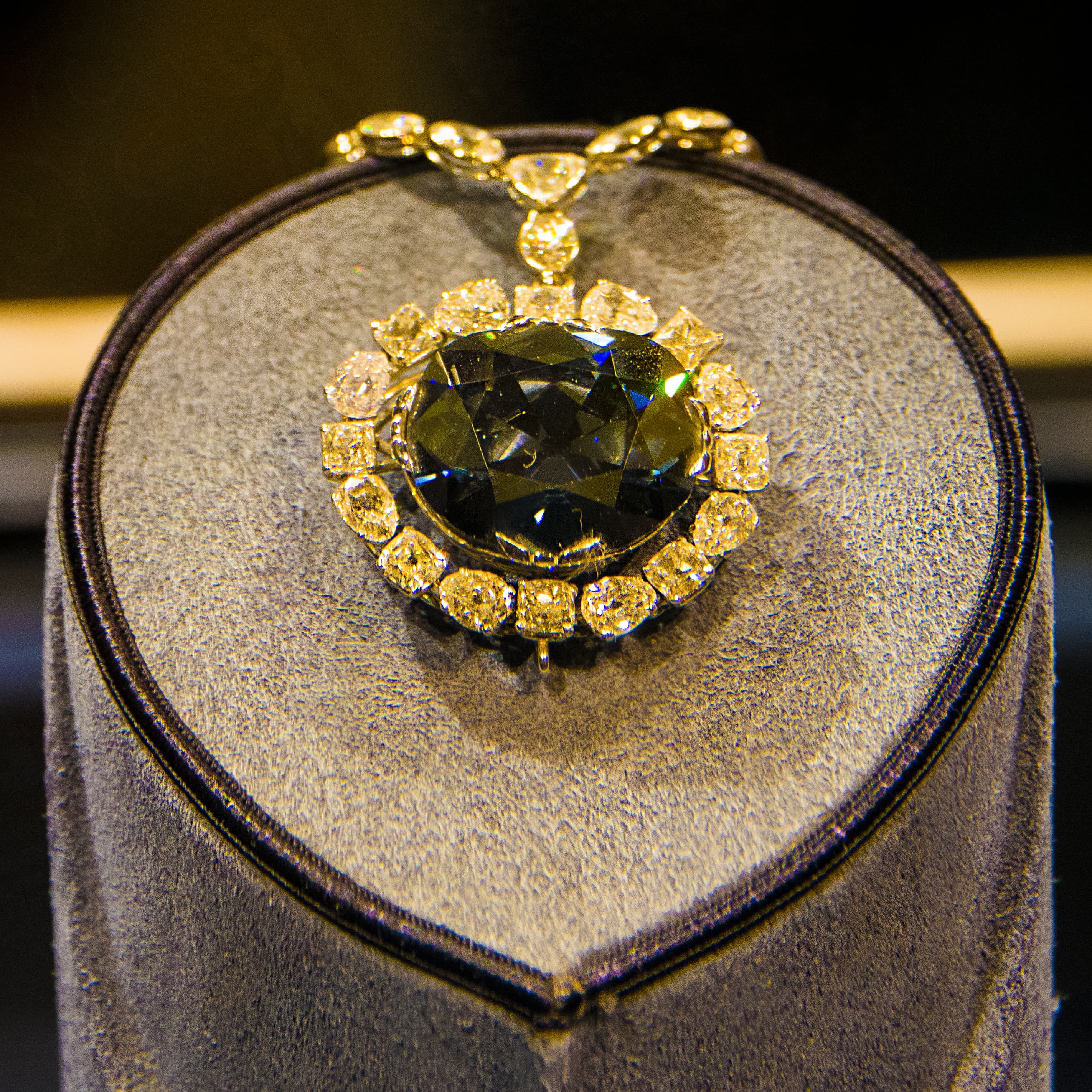
Graff’s most celebrated — and controversial — triumph came in December 2008 at Christie's London. A historic 35.56-carat blue diamond, known since the 17th century as the Der Blaue Wittelsbach, came to auction from a private collection. The stone possessed unimpeachable sovereign pedigree: presented by King Philip IV of Spain to his daughter Infanta Margarita Teresa on her engagement to Emperor Leopold I of Austria in 1664, it later passed into the Bavarian Crown Jewels.
Graff purchased the diamond for a record-shattering £16.4 million. But what he did next stunned the gemmological world: recognizing that centuries of chipping, bruised facets, and historical cutting had compromised its brilliance, Graff engaged master cutters to recut the stone.
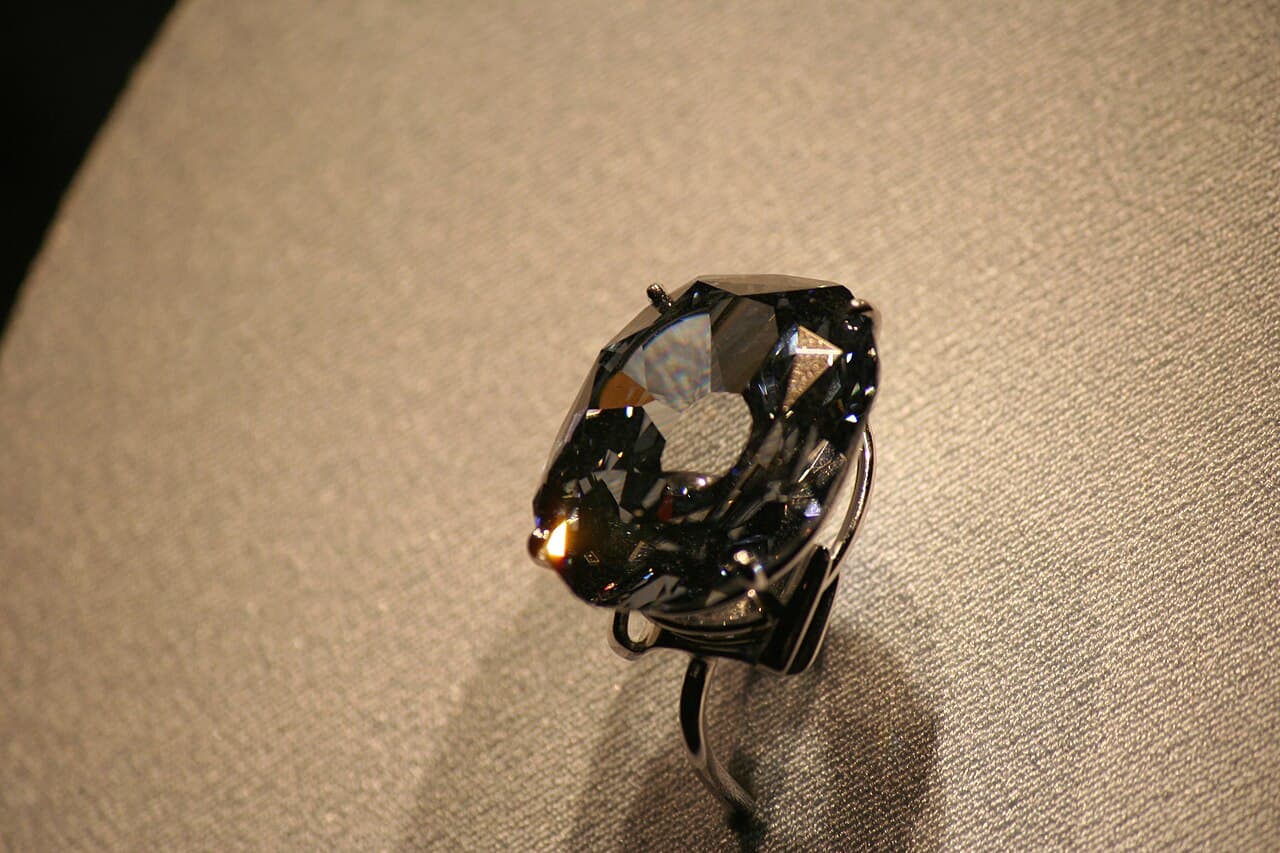
Over several months of painstaking laser mapping and microscopic polishing, 4.45 carats were sacrificed. The result was the Wittelsbach-Graff Diamond: a 31.06-carat cushion-cut marvel. Gemological Institute of America (GIA) re-grading revealed that the stone had ascended from Fancy Deep Grayish-Blue to Fancy Deep Blue, and its clarity had improved from Very Slightly Included to Internally Flawless (IF). Laurence Graff had liberated the diamond’s true optical soul.
The Pantheon of Marvels: Lesotho Promise, Delaire Sunrise, and Graff Pink
The Wittelsbach-Graff was not an anomaly; it was the manifesto of a house that refuses to compromise on geological perfection. Over six decades, Graff has handled more historically significant diamonds than any living individual:
- The Lesotho Promise (603 carats rough), transformed into 26 flawless D-color diamonds mounted in a single necklace. - The Graff Pink (24.78 carats), an intensely rare Fancy Intense Pink emerald-cut diamond acquired at Sotheby's Geneva for $46 million, recut to achieve Fancy Vivid Pink Internally Flawless grading. - The Delaire Sunrise (118.08 carats), the largest square emerald-cut Fancy Vivid Yellow diamond in existence. - The Graff Lesedi La Rona (302.37 carats), cut from the second-largest gem-quality rough diamond ever discovered.
Unlike traditional heritage houses that rely on centuries of archives, Graff established its supremacy through sheer gemmological courage, operating its own state-of-the-art cutting and polishing facilities in Antwerp and Johannesburg.
“High jewellery is not merely metalwork; it is honoring the billion-year journey of the stone, ensuring pure fire remains the undisputed protagonist.”
New Bond Street: The Contemporary Temple of High Jewellery
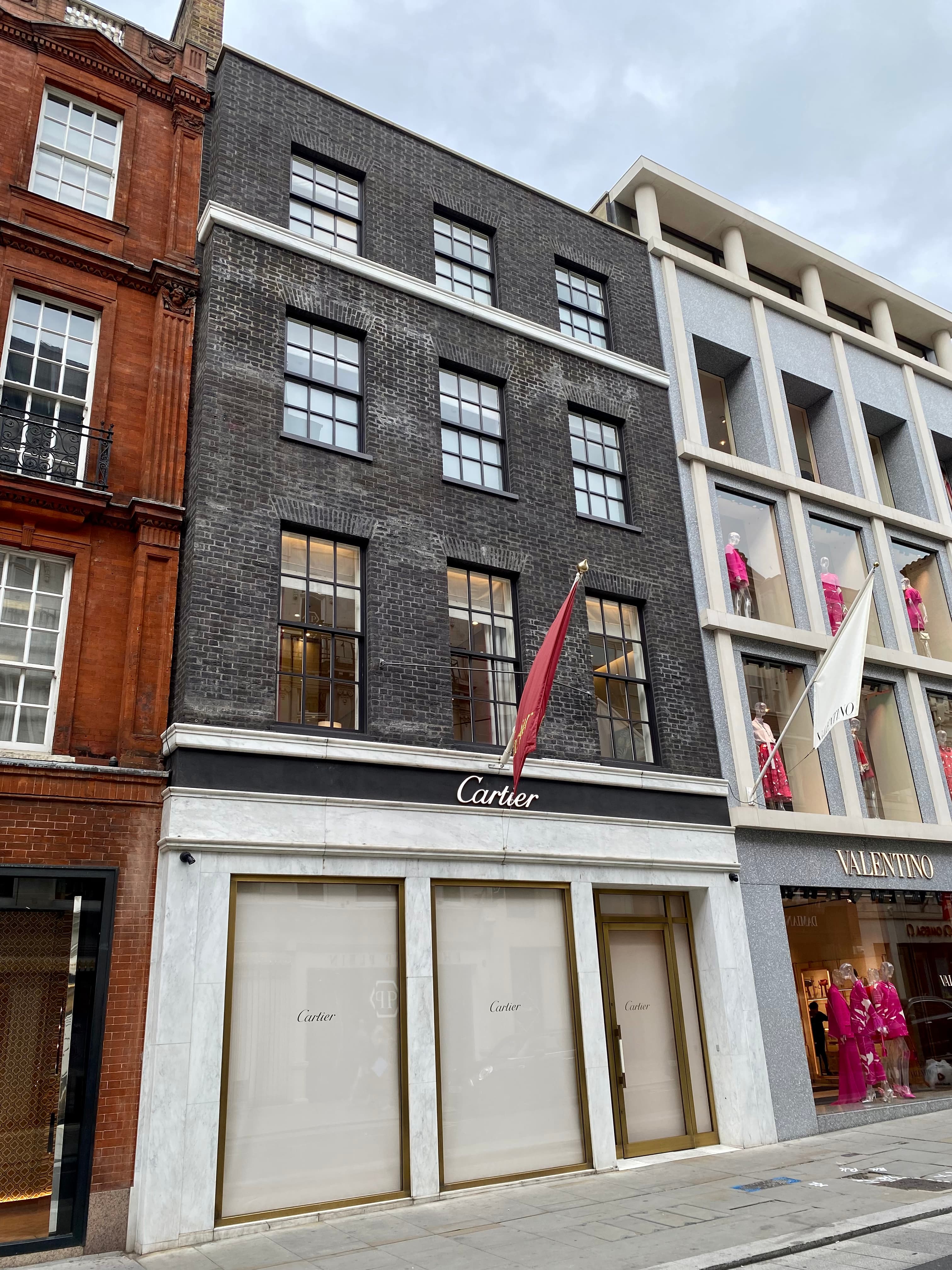
Today, Graff's flagship salon at 39 New Bond Street serves as the global nerve centre of important diamond connoisseurship. Here, beneath glittering crystal chandeliers, the world's most discerning collectors congregate to examine stones that represent the statistical impossibilities of nature.
In Laurence Graff’s philosophy, high jewellery is not merely an exercise in metalwork or decorative setting; it is about honoring the billion-year subterranean journey of the diamond itself. The setting must serve the stone, retreating into the background so that pure, unadulterated fire remains the undisputed protagonist.
THE ROYAL GALLERYS is the international magazine for heritage, culture and luxury — documenting the people, places and ideas shaping the worlds of royalty, jewellery, design, travel and contemporary life. Our editorial authority rests on deep engagement with India's cultural ecosystem and a commitment to telling the stories that matter.
For editorial inquiries, story proposals, and partnership discussions, contact our editors at hey.theroyalgallerys@gmail.com.
Alastair Fitzroy
Senior Luxury Correspondent, London. THE ROYAL GALLERYS is the international magazine for heritage, culture and luxury — editorial authority on the people, places and ideas shaping our world.
Part of Jewellery
This article is part of THE ROYAL GALLERYS Jewellery section — our international editorial destination for jewellery, heritage and luxury.
Explore All Jewellery Stories →