The Anatomy of Provenance: The Multiplier of History
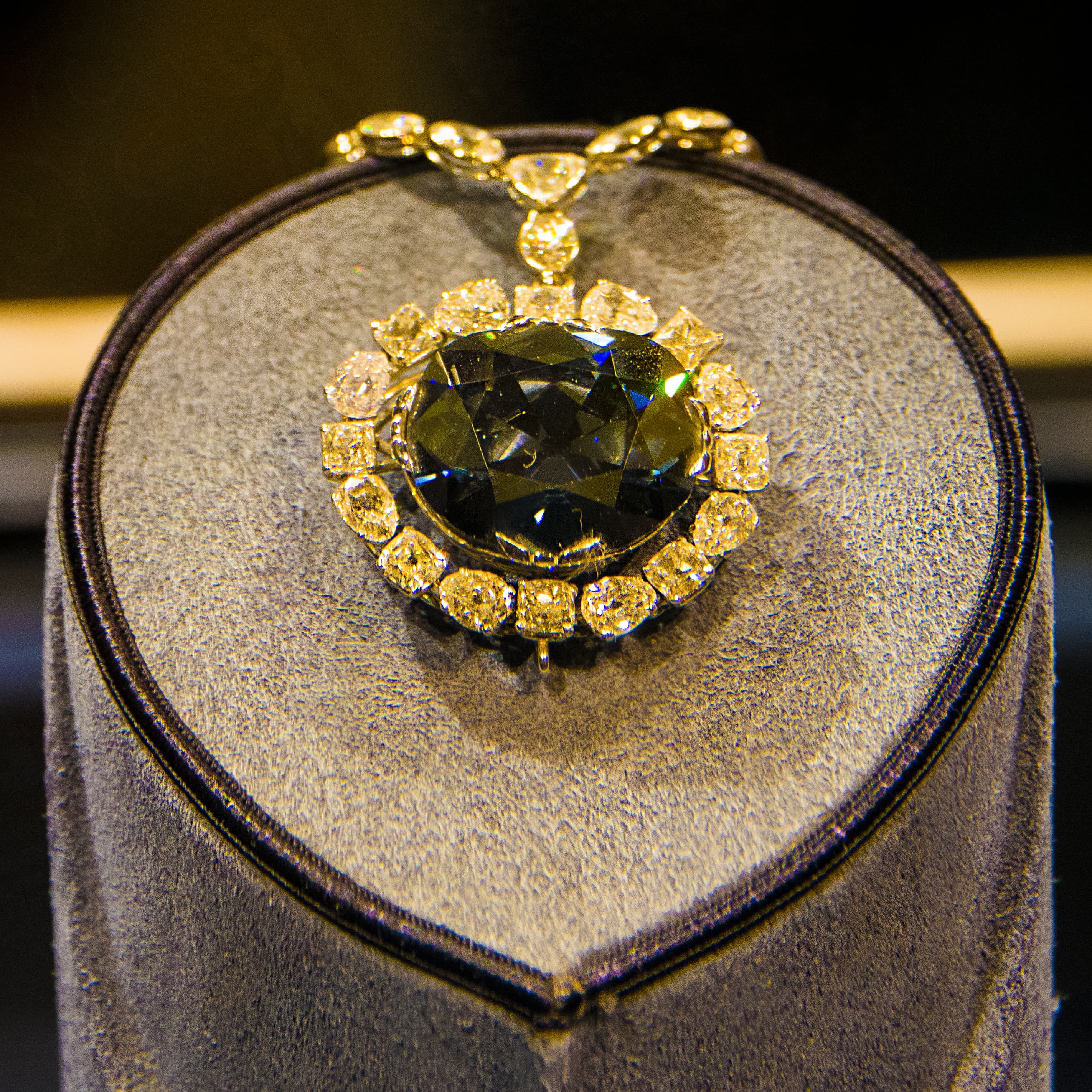
In the commercial salerooms of Sotheby’s and Christie’s in Geneva, London, and New York, a curious economic phenomenon plays out season after season. Two identical 10-carat antique cushion-cut diamonds of equal color and clarity may appear on the same afternoon. Yet while one achieves its fair market estimate, the other soars to five or ten times its valuation.
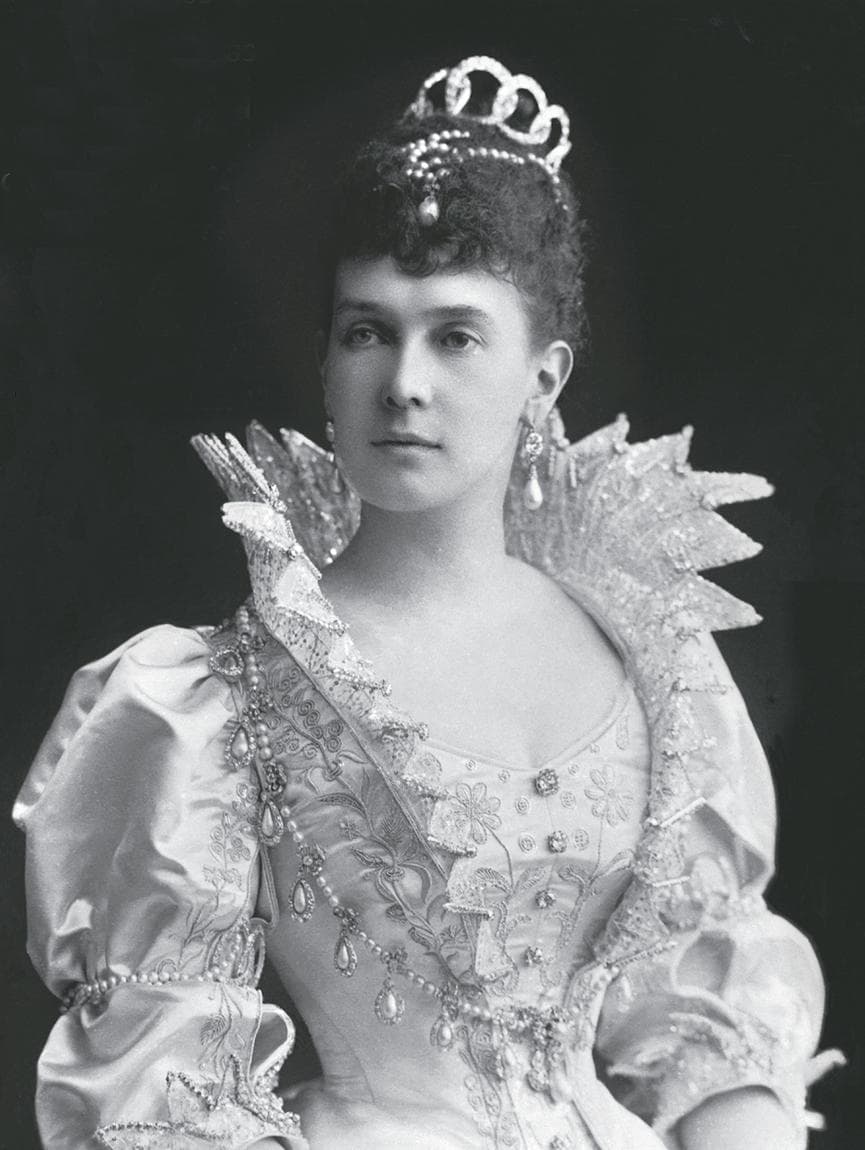
The difference is not geological; it is documentary. In high jewellery connoisseurship, noble or historic provenance (*provenance royale*) is the ultimate value multiplier. When a jewel can be traced to a Bourbon queen, a Romanov grand duchess, or an iconic twentieth-century tastemaker, it ceases to be merely a luxury commodity; it becomes a piece of history that a collector can physically hold.
“Marie Antoinette's pearl pendant, packed into a wooden chest before her flight to Varennes, sold in Geneva for $36.2 million against an estimate of $2 million.”
Watershed Salerooms: Windsor, Taylor, and Bourbon-Parma
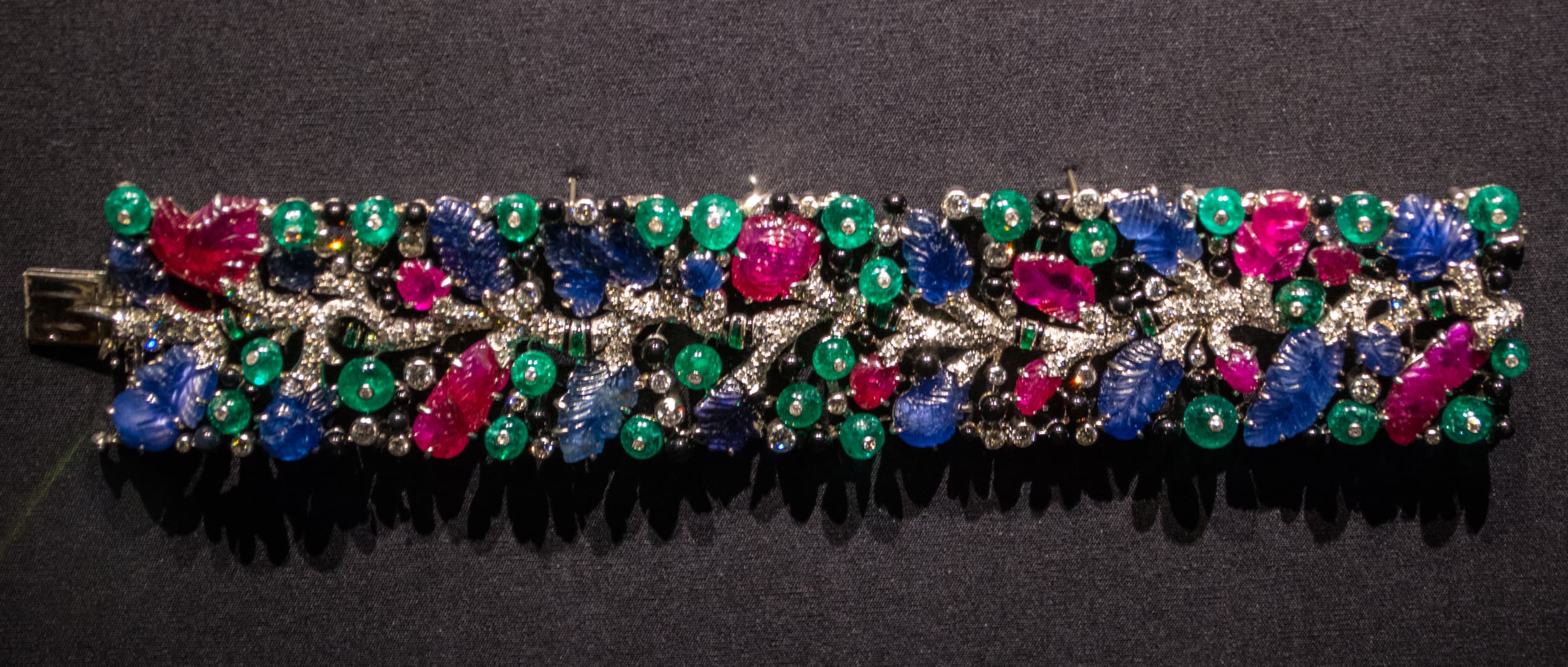
The modern era of jewellery auction blockbusters began in April 1987 on the shores of Lake Geneva. The Sotheby’s auction of *The Jewels of the Duchess of Windsor* realized $50 million — more than five times pre-sale expectations. Bidders were not merely purchasing Cartier panthers or Van Cleef Mystery Set clips; they were buying relics of the romantic crisis that cost King Edward VIII the British throne.
Twenty-four years later, in December 2011, Christie's New York held the four-day auction of *The Collection of Elizabeth Taylor*, reaching $156.8 million — the most valuable private jewellery auction in history. The 16th-century *La Peregrina* pearl, gifted to Taylor by Richard Burton and remounted by Cartier, shattered records by selling for $11.8 million.
More recently, in November 2018, Sotheby’s Geneva offered *Royal Jewels from the Bourbon-Parma Family*. A Marie Antoinette diamond and natural pearl pendant, uncirculated in public for over two centuries since the French Queen packed it into a wooden chest before her ill-fated flight to Varennes, sold for a staggering $36.2 million against an estimate of $1–2 million. The result reaffirmed that sovereign history commands an almost religious premium.
The Purist’s Standard: Unheated Gemstones and Ancient Mines
Parallel to royal provenance, the modern high jewellery collector demands absolute geological purity. With modern gemmological laboratories — such as SSEF in Basel, Gübelin in Lucerne, and the GIA — deploying infrared spectroscopy, X-ray fluorescence, and laser ablation, collectors now evaluate stones with scientific rigor.
The holy grail stones include:
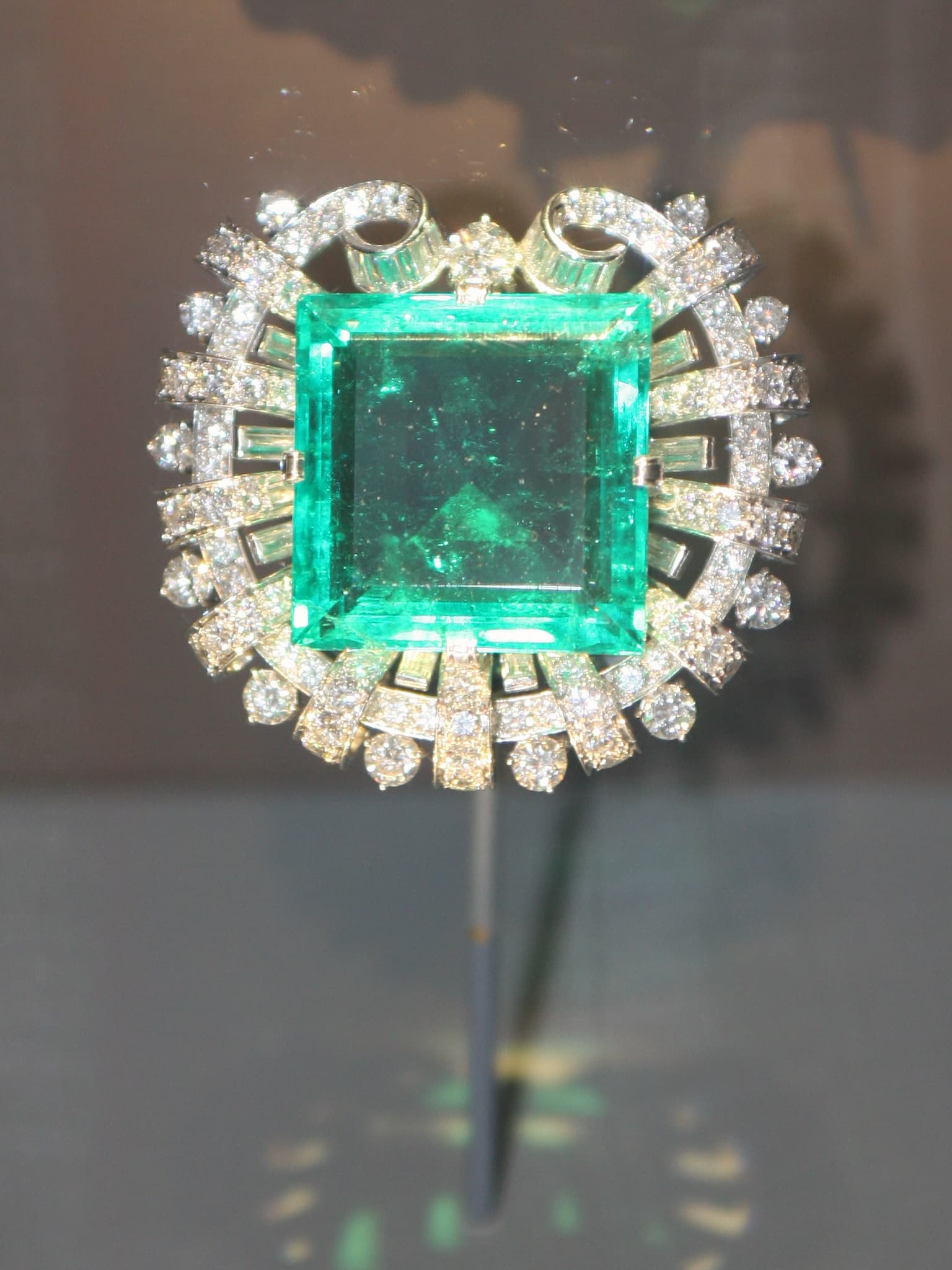
- Unheated Kashmir Sapphires: Mined during a brief window between 1881 and 1887 in the Zanskar range, famed for their velvety 'cornflower' blue caused by microscopic rutile silk. - Old-Mine Golconda Diamonds: Type IIa nitrogen-free diamonds mined in southern India before 1800, possessing crystalline water-like transparency and soft optical glow. - Unenhanced Colombian Muzo Emeralds: Saturated warm greens with minimal natural oiling, exhibiting the prized *jardin* inclusions. - Natural Orient Pearls: Pre-cultivation saltwater pearls harvested from the Persian Gulf or Ceylon waters before 1930.
Stones of this pedigree are treated by institutional collectors and family offices not as fashion jewellery, but as ultra-compact, internationally recognized hard assets that have preserved purchasing power across empires, revolutions, and inflationary cycles.
“To own an authentic historic jewel is to recognize that one is merely a temporary custodian; gold and diamonds endure long after empires crumble.”
The Custodian's Mandate: Collecting as Cultural Stewardship
What distinguishes the true jewellery collector from the speculator is a profound sense of stewardship. To own an Edwardian Cartier garland tiara, a Fabergé imperial guilloché box, or a signed Harry Winston cluster necklace is to recognize that one is merely a temporary custodian.
Great collectors — from Marjorie Merriweather Post, who assembled one of America’s finest collections of Romanov regalia, to modern connoisseurs who quietly loan their treasures to the Victoria and Albert Museum or the Louvre — understand that jewellery is the most intimate and durable of the decorative arts. Empires crumble and paper currencies devalue, but gold, platinum, and diamonds endure, whispering the secrets of the monarchs who wore them across the centuries.
THE ROYAL GALLERYS is the international magazine for heritage, culture and luxury — documenting the people, places and ideas shaping the worlds of royalty, jewellery, design, travel and contemporary life. Our editorial authority rests on deep engagement with India's cultural ecosystem and a commitment to telling the stories that matter.
For editorial inquiries, story proposals, and partnership discussions, contact our editors at hey.theroyalgallerys@gmail.com.
Alastair Fitzroy
Senior Luxury Correspondent, London. THE ROYAL GALLERYS is the international magazine for heritage, culture and luxury — editorial authority on the people, places and ideas shaping our world.
Part of Jewellery
This article is part of THE ROYAL GALLERYS Jewellery section — our international editorial destination for jewellery, heritage and luxury.
Explore All Jewellery Stories →